

Updated January 2026: We have updated the article with new findings on AI-powered assistive technologies, including smart walkers and wheelchairs with real-time obstacle detection, fall prevention sensors, voice activation, and remote patient monitoring. The article now includes trends in predictive AI analytics, IoT-enabled bathroom safety, and telehealth integrated durable medical equipment in nursing home care. Authoritative 2026 sources are included.
Updated October 2025: We have updated the article with new insights on AI-powered assistive technologies, smart home integration, telemedicine, and advances in user-centered rehabilitation including wearable robotics and custom device design. The article now reflects regulatory trends favoring technology-enabled, person-centered care, and discusses considerations around digital literacy and data privacy. Authoritative new sources are included.
Exploring McCormick Nursing Home and McCormick Post Acute
When considering nursing home options in McCormick, South Carolina, the McCormick Nursing Home, also known as McCormick Post Acute, stands out as a leading facility. This institution plays a vital role in this community of just under 2,700 residents. According to Data USA, the median age in the area is 45.7, and the largest ethnic group is Black or African American (Non-Hispanic), making up 60.6% of the population. McCormick Post Acute is owned by Palmetto Community Healthcare LLC, and detailed information about this facility’s operations can be found on the ProPublica Nursing Home Database.
Understanding McCormick Post Acute: Location and Leadership
Situated at 204 Holiday Road, McCormick Post Acute is strategically positioned to serve both local residents and those in surrounding areas. According to ProPublica, this for-profit entity has a certified bed capacity of 120. The facility operates within the socio-cultural tapestry of McCormick, SC, emphasized by community-focused programs that foster strong bonds among residents and staff. Testimonials highlight the close-knit environment at McCormick Post Acute, where communal activities promote interaction and well-being.
Evaluating Care: Ratings and Staffing at McCormick Post Acute
The quality of care at McCormick Post Acute is reflected in its staffing ratios and consistent ratings. As reported by Medicare.gov, the facility is evaluated through a combination of Medicare ratings and inspection outcomes. Staffing levels and nurse turnover rates are essential metrics of care delivery quality. The facility’s turnover rate is currently at 41.8%, below the state average of 49.1%. With 2.82 nurse hours per resident per day, the facility emphasizes personalized and preventive care. Residents and families often commend the dedicated staff engagement, highlighting the facility’s commitment to high satisfaction levels.
Technology in Modern Senior Care: Recent Advancements
Recent advances since 2025 have brought significant technology integration to McCormick Post Acute and similar facilities, enhancing resident safety and independence. Leading trends include AI-powered mobility aids, such as smart walkers and wheelchairs with real-time obstacle detection, fall prevention sensors, predictive analytics for gait monitoring, and voice-activated controls. These devices support proactive care and help mitigate risks for residents.
Remote patient monitoring using wearables and IoT devices is now widely adopted, allowing staff to be alerted to changes in vital signs, behavior patterns, or early signs of infections and pressure ulcers. Telehealth-enabled durable medical equipment enables earlier interventions and reduces the risk of unnecessary hospitalizations. Predictive AI analytics also optimize staffing and rehabilitation plans, supporting aging in place with integration to smart home systems and personalized health coaching.
IoT-enabled safety tools, such as smart grab bars and automated lighting in bathrooms, further improve mobility and reduce fall risk. Although the adoption rate of AI technology in skilled nursing facilities was 4.5% in 2025, its adoption is rapidly increasing as these tools become integral to facility operations and resident care.
User feedback and regulatory guidelines continue to stress the importance of technology-enabled, person-centered care. There is a growing emphasis on supporting digital literacy and robust data privacy measures as these technologies evolve.
Sources:
Skilled Nursing News,
AANP,
Provider Magazine,
Senior Housing News,
Everything Medical Online,
Juniper Communities,
Heisinger Bluffs,
UnitedHealthcare Community & State,
PMC,
iHealthcare Analyst
Financial and Service Aspects of McCormick Post Acute
The cost of residing at McCormick Post Acute is aligned closely with state averages. According to recent estimates, semi-private rooms are priced between $6,500 and $7,100 per month. The National Investment Center notes that the national occupancy rate for nursing homes is approximately 84.5%, indicating strong demand for such services. McCormick Post Acute offers specialized services like rehabilitation and individualized care plans, serving both short-term recovery and long-term health needs. These services aim to enhance residents’ quality of life, promoting autonomy and dignity in a homelike atmosphere.
Recent regulatory initiatives and government programs are actively broadening access to advanced assistive technologies, making devices like smart mobility aids, customized supports, and remote monitoring tools more affordable and readily available to residents. Extended use of AI-powered monitoring, telehealth-integrated medical equipment, and smart home safety tools are promoted to reduce acute events and hospitalizations, while enhancing the autonomy of both residents and staff. These changes are part of broader guidelines supporting tech-enabled, individualized care for long-term sustainability.
Sources:
Skilled Nursing News,
iHealthcare Analyst,
Everything Medical Online
Making Informed Choices for Nursing Home Care
Selecting a nursing home in rural South Carolina involves evaluating several factors, including care quality, resident feedback, and regional needs. Healthcare professionals recommend examining state and federal ratings, resident feedback, and personal visits to facilities. Understanding local demographics, as detailed by Data USA, can ensure that families find a facility that best suits their loved ones’ needs.
For families exploring alternatives to traditional nursing homes, medically-approved mobility solutions like VELA chairs offer significant benefits. VELA chairs enhance independence and reduce fall risks, providing safety and freedom of movement at home. They support daily activities such as cooking, dressing, and transferring, fostering autonomy while lessening the caregiving load on family members.
Recent developments now include AI-powered mobility aids that feature real-time stability monitoring, personalized adjustments, remote support functions, and integration with smart home systems, paralleling best practices in current skilled nursing facilities. Digital literacy and privacy remain important as these advanced technologies are adopted more widely.
Sources:
Everything Medical Online,
AANP,
Juniper Communities,
PMC
Supporting Aging in Place: A Practical Option
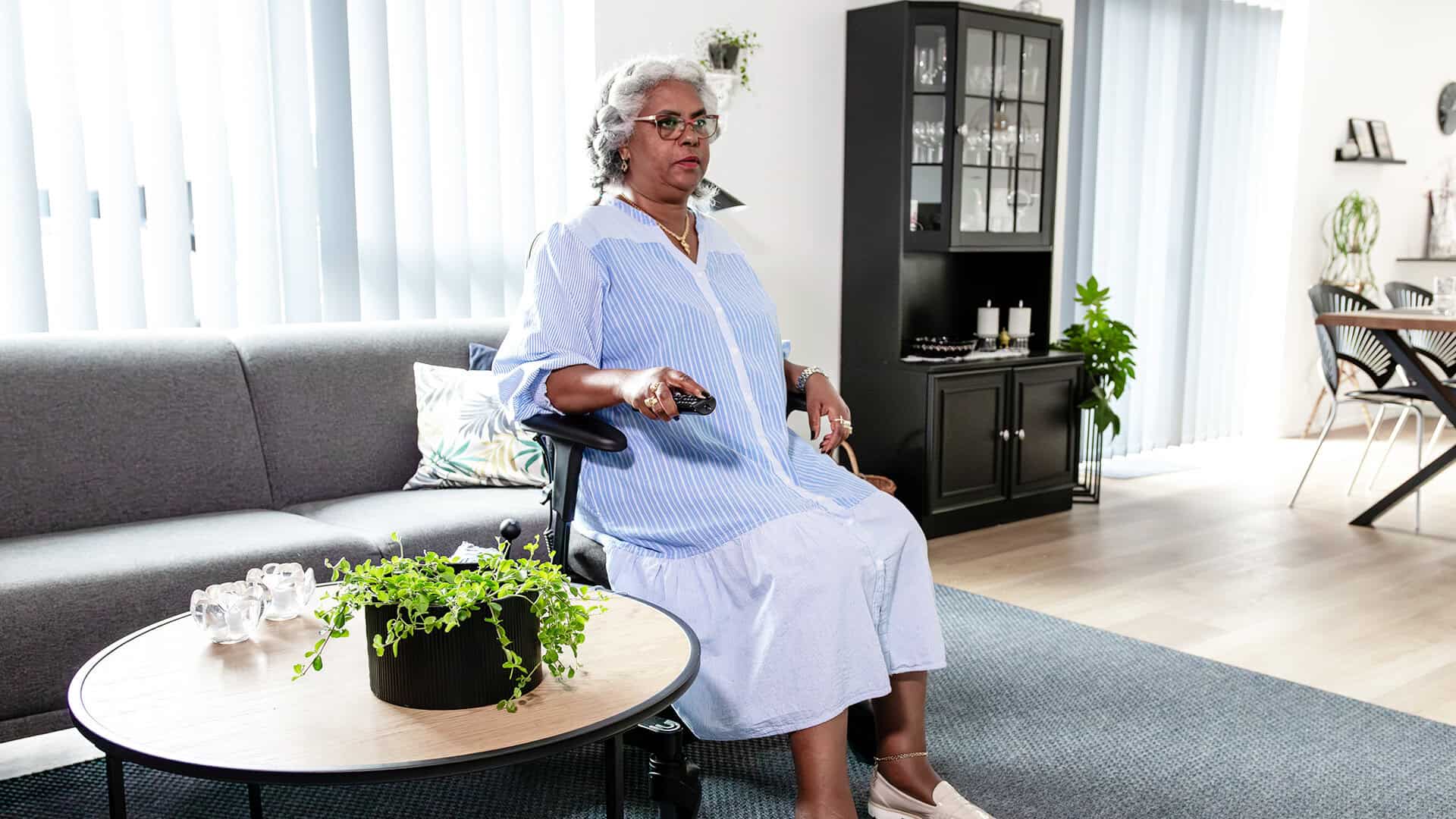
The integration of VELA chairs into home environments offers a practical solution for those wishing to delay transitioning to a nursing home. These chairs contribute to safety with features like a central brake and electric height adjustability, empowering users to navigate their homes with ease. By supporting activities like cooking, cleaning, or simply relaxing, VELA chairs help preserve dignity and vitality. This allows seniors to maintain independence at home, fostering a comfortable and safe living environment that extends their time aging in place. While not the only option, VELA provides a practical alternative to enhance everyday comfort and safety for the elderly.
Recent developments in smart home and telehealth technologies include predictive AI analytics, wearable devices for remote condition management, and telehealth-enabled durable medical equipment. These solutions facilitate aging in place, reduce acute hospital visits, and support personalized health coaching, while increasing the need for user education and privacy protections.
Sources:
Heisinger Bluffs,
UnitedHealthcare Community & State,
Skilled Nursing News,
Provider Magazine,
Juniper Communities,
PMC