

Updated January 2026: We have updated the article with 2026 Texas Medicaid nursing home eligibility requirements, the 2025-2026 regulatory changes from Texas Senate Bill 457—including resident-centered care, telemedicine, and direct care expense ratios—the 2025 federal court actions vacating nursing home staffing mandates, and related effects on facility operations and services. New sections highlight innovations in care delivery and technology integration, with Medicaid enhancements reflecting current law.
Discover Your Options: Nursing Homes in McKinney, TX
Choosing a nursing home in McKinney, Texas, involves navigating a variety of factors to ensure that the chosen facility meets both the medical and personal needs of potential residents. McKinney, a key city within the Dallas-Fort Worth metroplex, is experiencing a rise in its senior population, highlighting the increasing demand for quality senior care facilities. This article aims to provide insights into nursing homes in McKinney, TX, empowering families and future residents to make informed decisions.
Exploring Senior Care Options in McKinney, Texas
In McKinney, various facilities cater to different senior care needs. The city’s offerings range from skilled nursing facilities to specialized rehabilitation centers. According to Caring.com, McKinney is home to numerous well-rated facilities certified by Medicare and Medicaid, ensuring that financial aid options are available for eligible families.
The demographic trend towards an “aging in place” population suggests a growing need for diverse care services, from comprehensive medical oversight to focused rehabilitation. Facilities often provide a continuum of care that can support residents whether they need long-term assistance or short-term recovery after surgery or illness.
A Closer Look at McKinney’s Highest-Rated Nursing Homes
When seeking high-quality care, McKinney offers several noteworthy facilities:
- McKinney Healthcare and Rehabilitation Center: With a robust rating of 4.2 out of 5 on SeniorGuidance.org, this center is known for its welcoming environment, spacious rooms, and excellent food services. An active schedule of events and activities helps residents stay engaged and socially connected.
- Park Manor of McKinney: This facility is particularly recognized for its memory care services, crucial for residents with Alzheimer’s or dementia. The staff is trained to handle the specific needs that come with memory care, providing comfort and security for both residents and their families.
- Baybrooke Village Care and Rehab Center: Known for its strong focus on rehabilitation, Baybrooke offers programs designed to support recovery and mobility, making it ideal for seniors post-surgery or after medical treatments requiring focused rehab.
These facilities offer a range of services, ensuring personalized and effective care for all residents. Facility tours and resident testimonials provide an inside look at daily life, enhancing transparency and confidence for prospective residents and their families.
Deciphering Ratings: What Makes a Quality Nursing Home?
Understanding a nursing home’s quality involves examining its rating system. The Medicare star rating is critical and considers factors such as health inspections, staffing levels, and quality measures. According to Medicare.gov, these ratings are important for families evaluating a facility’s adherence to healthcare standards.
Health inspections focus on safety and operational standards, while staffing ratings reflect a facility’s ability to offer attentive care. Quality measures examine specific health outcomes impacting resident well-being. As suggested by A Place for Mom, these ratings, combined with insights from testimonials and visiting policies, should guide the decision-making process.
Regulation and Quality Oversight: 2026 Legal and Policy Updates
Recent regulatory changes have notably affected staffing standards, oversight, and service regulations in Texas nursing homes. In April 2025, a Texas federal judge vacated the federal minimum staffing rule for nursing homes—which had included requirements for 24/7 registered nurse coverage and 3.48 hours per resident day—finding the rule exceeded CMS authority. A subsequent 2025 legislative act created a 10-year moratorium, pausing federal staffing mandates until 2034.[2] [3] [6] [7] Texas-specific staffing regulations now apply, and there are no new federal requirements in effect before 2034.
Texas Senate Bill 457, introduced in the 2025-2026 legislative session, creates key updates including:
- A direct care expense ratio for Medicaid-participating facilities, incentivizing more funds for resident care.
- Enhanced promotion of resident-centered care, with regulatory support for facility design and individualized services.
- Encouragement of technology adoption, such as expanded telemedicine and telehealth access, especially valuable for mobility-limited residents.
- Staff rate enhancement adjustments—improving compensation structures for direct care workers.
These provisions facilitate better quality of life, innovative care delivery, and improved transparency in how care is delivered and reimbursed. Importantly, non-Medicaid participants are not subject to new direct care spending requirements under this bill.[1]
Additionally, a 2025 federal court ruling requires Texas to advance community integration for people with intellectual and developmental disabilities (IDD), potentially impacting admission practices and increasing access to integrated, community-based care.[10]
Texas Health and Human Services Commission continues to perform unannounced health and safety inspections, focusing on compliance and resident well-being.[7]
Affording Quality Care: Financial Options for Nursing Homes in McKinney
The cost of nursing home care is a significant factor for families. In McKinney, costs vary based on location and services offered, though they remain competitive compared to the broader Texan landscape. A Place for Mom offers cost breakdowns and amenities information.
For those seeking Medicaid support, the updated 2026 rules specify:
- Income limit for an individual is $2,982 per month, with assets not exceeding $2,000.
- Nursing Facility Level of Care (NFLOC) requirement and a 5-year look-back on asset transfers.
- The home equity cap for Medicaid eligibility remains at $730,000.
- Protections for certain primary residences and continued spousal impoverishment safeguards.
These limits reflect the latest criteria, requiring careful financial planning for applicants and their spouses.[4] [5]
Senate Bill 457 streamlines Medicaid reimbursement timelines and clarifies criteria for the appropriate use of services, aiming for better efficiency and transparency for both providers and families.[1]
Consulting legal or financial professionals familiar with current Texas Medicaid regulations is strongly recommended when planning for care needs.
Innovative Care Delivery: Technology and Resident-Centered Practices
Senate Bill 457’s support for flexible, resident-centered care encourages nursing facilities to adopt innovations such as enhanced telemedicine access. These capabilities provide valuable benefits for residents with mobility constraints, allowing remote consultations and improving ongoing monitoring of chronic conditions. By supporting the integration of technology and personalized service delivery, Texas nursing homes can help promote safety, dignity, and improved quality of life for their residents.[1]
Enhancing Senior Mobility: Alternatives to Full-Time Nursing Home Care
How Mobility Solutions Like VELA Make a Difference
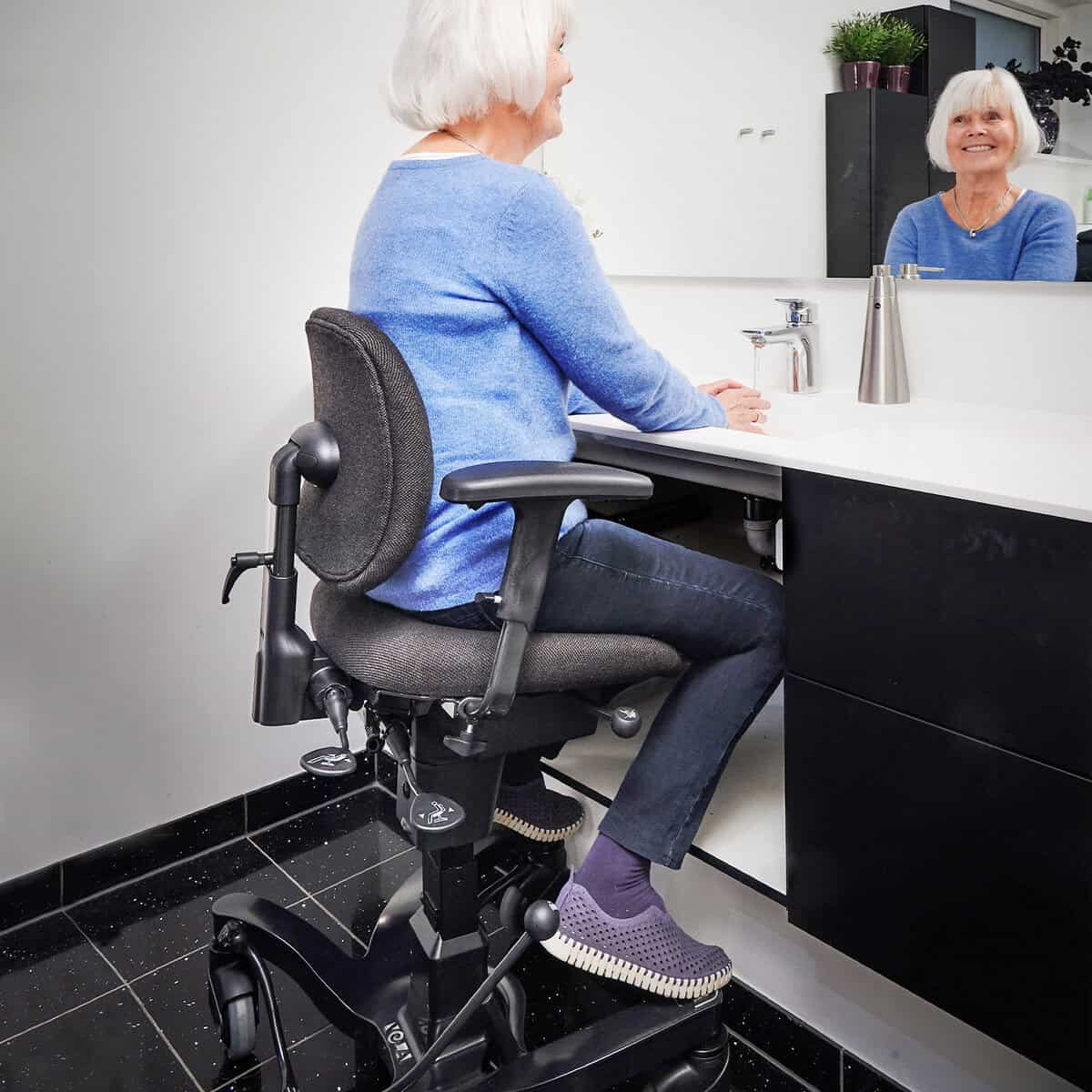
Mobility aids, like the VELA Independence Chair, play a crucial role in supporting aging individuals to remain independent within their homes. A VELA chair provides several key benefits that significantly impact daily life and well-being. Its central brake feature enhances safety by preventing unwanted movement during use, while the electric height adjustability ensures ease of access in activities like reaching or getting up from a seated position. By facilitating energy-saving movements and offering support for tasks such as cooking or transferring, the chair can significantly delay the need for a nursing home. Beyond safety and convenience, the mobility solutions for seniors to stay safe at home highlight how dignity, freedom, and confidence are fostered, creating an environment where aging gracefully and independently at home is a practical reality. While VELA offers a proven solution, it is important to acknowledge various options available that can cater to the unique needs of every senior and their families.
In addition to well-established mobility products, national trends in assistive technology and rehabilitation emphasize the adoption of advanced ergonomic and inclusive designs, such as AI-powered mobility aids, smart rehabilitation tools, and personalized adaptive equipment. While not yet subject to specific Texas regulations, these innovations are influencing best practices in facilities and supporting higher levels of independence and safety for seniors and people with disabilities.
[1] Texas SB457 Bill Text (LegiScan)
[2] Fierce Healthcare: Federal Judge Vacates Staffing Requirements
[3] America’s Essential Hospitals: Texas Judge Overturns Rule
[4] Medicaid Planning Assistance: Texas 2026 Eligibility Limits
[5] W. Thompson Law: Medicaid Nursing Home Eligibility (Jan 2026 Update)
[6] Fisher Phillips: Minimum Staffing Rules Tossed Out
[7] Reed Smith: Legislative Updates for Long-Term Care
[10] Texas Tribune: Federal Court Ruling on IDD in Nursing Homes