

Updated September 2025: We have updated the article to reflect recent CMS regulatory changes impacting nursing home operations, introduce advancements in assistive technologies and rehabilitation tools, and provide context regarding McRae Manor’s quality improvement initiatives and commitment to health equity.
Overview of McRae Manor Nursing Home
Nestled in the peaceful town of McRae, Georgia, McRae Manor Nursing Home is known for providing compassionate care to its residents. Situated at 160 South First Avenue, this facility, now operating under new ownership, continues to prioritize quality care with an overall “B-” rating according to Elder Guide. For those researching healthcare options for their loved ones, the facility’s Medicare details can be accessed on Medicare.gov Care Compare.
Understanding McRae Manor Nursing Home
Situated in Telfair County, McRae Manor benefits from its vibrant yet tranquil community. The surrounding population of about 11,854 fosters a home-like environment for residents. Notably, McRae Manor underwent a change in ownership, leading to discussions about potential impacts on care standards. Maintained by a Limited Liability Company, McRae Manor ensures comprehensive services designed to meet residents’ diverse needs. Residents can enjoy communal activities and personalized care plans tailored to foster connection and engagement.
Evaluating Quality and Inspection Outcomes
Understanding the quality of care at McRae Manor involves familiarity with the CMS Five-Star Quality Rating System, a standardized measure used nationwide. This system awards stars based on metrics such as health inspections, staffing, and quality measures. According to ProPublica Nursing Home Inspect, McRae Manor has reported 16 deficiencies, including two related to infections, highlighting ongoing challenges and efforts to improve. With an average of 3.74 nurse hours per resident per day compared to the state average of 3.5, McRae Manor demonstrates its commitment to exceeding basic care standards.
These insights significantly impact the resident experience, emphasizing the need for continual quality enhancement. Recent regulatory updates from the Centers for Medicare & Medicaid Services (CMS) in early 2025 introduced enhanced oversight on staffing—including the implementation of Payroll Based Journal data for validation—stricter controls on the use of psychotropic medications and consent, and improved standards for admission processes such as the prohibition of requiring third-party payment guarantees. Additionally, McRae Manor now incorporates enhanced Quality Assurance & Performance Improvement (QAPI) measures that emphasize health equity by analyzing disparities in care related to race, socioeconomic status, and language, aligning with the latest CMS directives.[1][2]
Families should consider these regulatory enhancements and the facility’s ongoing improvements alongside personal circumstances when making informed decisions about care.
Resident Care and Community at McRae Manor
Staffing levels significantly influence care quality at McRae Manor, where higher-than-average staff hours ensure attentive care. According to Elder Guide, the resident demographics include 60 Black/African American and 52 White individuals, predominantly aged 75-84 years, enriching the community’s diversity. This variety aids in fostering an inclusive and supportive atmosphere. Family involvement is actively encouraged, enhancing residents’ social connections and overall well-being. Personal anecdotes from residents often highlight the warmth and camaraderie within the facility, underscoring the home-like environment it promotes.
In response to the most recent CMS mandates, McRae Manor has further focused on resident rights and health equity, ensuring that individualized care plans are responsive to unique backgrounds and needs. Initiatives addressing quality of life and infection control have been emphasized following feedback from recent inspection reports, demonstrating a commitment to ongoing quality assurance and improvement.[3]
Assistive Technology, Rehabilitation, and Ergonomic Advances
To further support resident autonomy and well-being, McRae Manor has begun integrating advances in assistive technology and rehabilitation tools in alignment with emerging best practices. Recent trends in long-term care settings include the use of smart mobility aids—such as AI-enhanced walkers and wheelchairs—and wearable sensor devices that provide fall detection and activity tracking. These innovations contribute to improved resident safety, greater independence, and more personalized care. Virtual reality (VR) therapy and robotics are also being adopted in rehabilitation programs to enhance mobility recovery and cognitive engagement, adding value to traditional physical therapy offerings.[1]
The inclusive and ergonomic design of these new assistive tools prioritizes user comfort and adaptability for individuals with various disabilities. Additionally, the adoption of real-time monitoring and communication technologies facilitates the creation of personalized care plans, empowering residents and their families to be more involved in ongoing care decisions.
Exploring Alternatives to Nursing Home Care
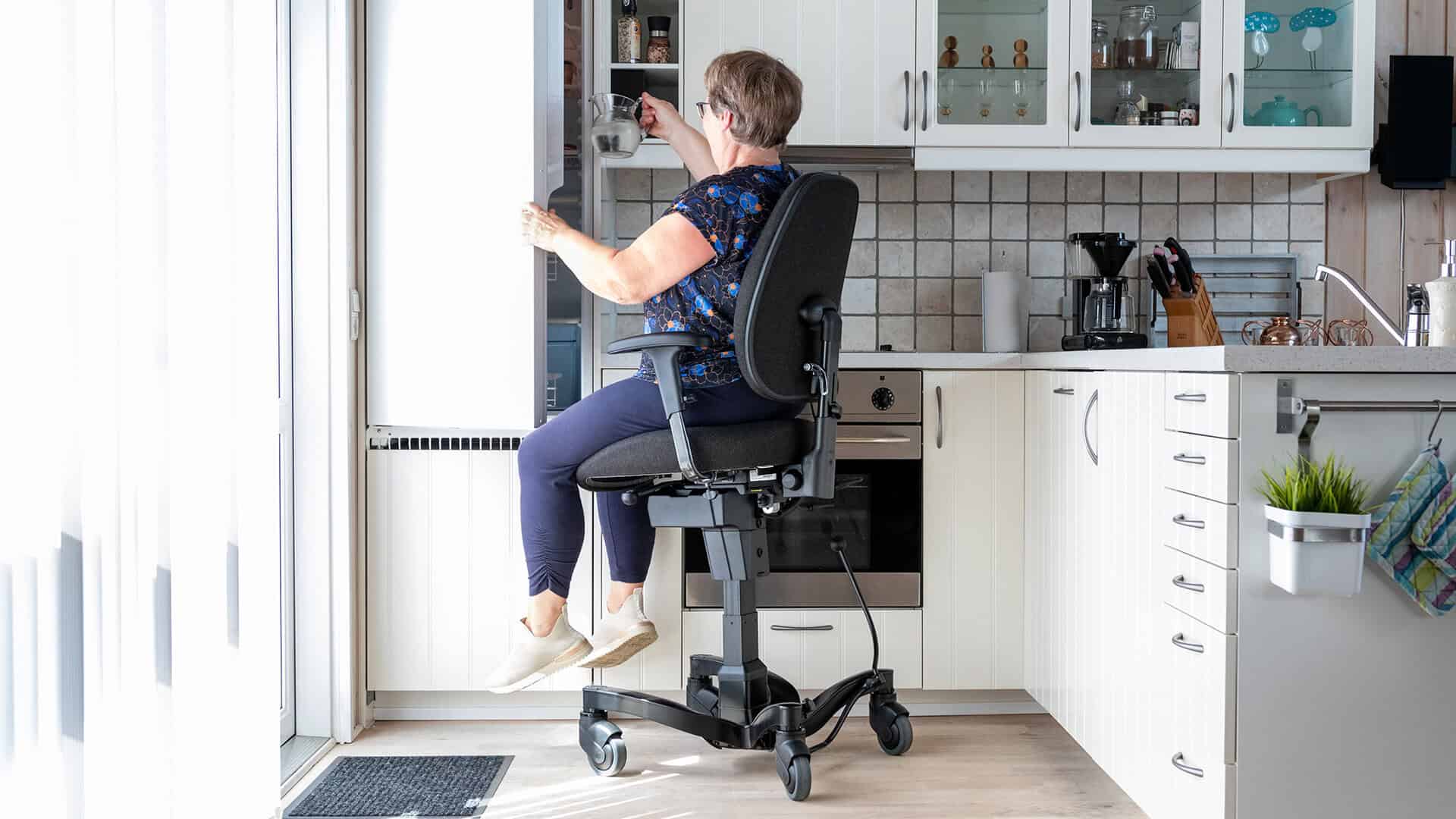
In addressing the evolving challenges faced by nursing homes, such as maintaining consistent quality care and preventing resident injuries, families may consider options that support elderly individuals staying at home. This shift can be partly facilitated by using adaptive solutions such as the VELA Independence Chair. This medically approved mobility chair is designed for home use, enhancing safety and freedom of movement while supporting daily activities like cooking, dressing, and transferring. By reducing the physical strain on informal caregivers, VELA chairs can serve as a viable alternative to traditional nursing home care, enabling older adults to maintain their independence longer and improve their quality of life.
The VELA Independence Chair is a practical solution, empowering seniors to maintain their independence longer within their own homes. With features designed to enhance safety, such as a central brake system, and improve ease of movement through electric height adjustability, this mobility chair addresses many challenges that aging individuals face. The ability to move easily while seated allows for safer cooking, dressing, and leisure activities, reducing the energy expenditure and strain associated with these tasks. By supporting everyday activities, VELA chairs not only promote dignity and freedom but may also delay the necessity for comprehensive nursing home care. While not the sole option available, these chairs offer a proven method for enhancing independence and supporting aging in place effectively. Engaging in activities with assurance and safety significantly eases the load on caregivers, illustrating a meaningful impact on both the elderly and their families. For more information, you can explore mobility chairs for improved independence, or understand strategies aimed at fall prevention strategies in nursing homes.
- CMS 2025 Nursing Home Surveyor Guidance Revisions – Sandberg Phoenix
- Summary of CMS Revised Guidance for Nursing Home Surveyors – Consumer Voice (PDF)
- McRae Manor Nursing Home Latest Data and Inspection Reports – Medicare.gov
- CMS Announcement on Nursing Home Surveyor Guidance Updates – PALTMed
- CMS Extension of Surveyor Guidance Implementation Date – Hall Render