

Updated January 2026: We have updated the article with recent advancements in AI-powered assistive technologies, smart home integration, and wearable health monitors, as well as the latest CMS regulatory changes including the repeal of minimum staffing mandates and new trends in hybrid rehabilitation. These updates reflect how innovative solutions and policy shifts are shaping care quality and independence options for seniors at Meadow Woods Nursing and Rehab Center.
Meadow Woods Nursing and Rehab Center: A Comprehensive Guide
Understanding Meadow Woods Nursing and Rehab Center
Nestled in the quaint town of Bloomingdale, Michigan, Meadow Woods Nursing and Rehab Center stands out as a premier provider of senior care. Managed by the Peplinski Group, this facility is Medicare and Medicaid certified, offering a wide array of services dedicated to enhancing the quality of life for its residents. According to Seniorly, the center is located at 42235 County Road 390 and caters to the community’s aging population—accounting for 41% of Bloomingdale’s demographic—by providing crucial senior care services.
Evaluating Care Quality at Meadow Woods Nursing Home
Meadow Woods Nursing Home holds a nuanced standing in the realm of senior care, as highlighted by its CMS ratings. According to Medicare.gov, the facility holds an overall rating of 3 out of 5 stars, excelling with a 5-star rating in quality measures while facing challenges with staffing, marked by a 1-star rating. It’s essential to consider both family and resident reviews for a complete picture of the care provided. Feedback often reveals strengths in therapeutic services, yet highlights areas for improvement, primarily in staffing levels. Additionally, ProPublica reports that Meadow Woods’ inspection history, including past penalties, underscores the need for ongoing quality and compliance checks.
As of mid-2025, CMS has updated its methodology for nursing home quality ratings, now basing the overall quality assessment on the two most recent standard surveys instead of three. Public reporting has also expanded to include chain-level performance data, offering families greater transparency when comparing facilities. New CMS guidance, effective February 2025, further clarifies roles in medical oversight, admission and discharge protocols, medication management, infection control, and the responsibilities of quality assurance programs. Medical directors have increased accountability for implementing policies and participating in robust quality assurance activities. These updates aim to raise the standard and consistency of care in long-term care facilities, strengthening oversight and promoting safer, higher-quality resident experiences.[1][2][3][4]
As of February 2026, the Centers for Medicare & Medicaid Services (CMS) have repealed the federal minimum staffing mandates for skilled nursing and long-term care facilities. The requirements for 3.48 hours of nursing care per resident day and continual RN coverage have been eliminated, resulting in more flexible staffing approaches within facilities. Simultaneously, CMS has updated the Skilled Nursing Facility Prospective Payment System (SNF PPS) rates for FY2026, resulting in a 2.8% increase in reimbursement rates. Additionally, documentation and reporting demands on social determinants of health have been streamlined for providers.[2][4][6][12]
Specialized Services and Programs at Meadow Woods
Meadow Woods commits to offering a spectrum of specialized services that cater to varied health needs. The center provides skilled nursing, hospice, podiatry, vision, dental, and audiology services, ensuring comprehensive resident care. Unique programs, such as pet therapy, religious activities, and beauty/barber services, enrich residents’ daily experiences. Based on information from the Peplinski Group, Meadow Woods’ diversity in programming sets it apart from nearby facilities in Van Buren County, making it a compelling option for those considering senior care.
Smart assistive technology is now an integral part of advanced rehabilitation and care. Meadow Woods and similar centers are adopting a new generation of AI-powered mobility aids and integrated digital health systems. This includes smart walkers and robotic exoskeletons, wearable monitors for fall detection and vital sign tracking, and IoT-enabled bathroom aids such as sensor-equipped grab bars. These technologies support predictive analytics for health events, promoting resident safety and enabling aging in place. Wearable devices and AI-driven systems facilitate hybrid models of rehabilitation, blending in-person therapy with virtual or remote monitoring through motion tracking and customized care coordination. With these advancements, residents and staff benefit from enhanced safety, autonomy, and streamlined operations amid continuing workforce shortages in the sector.[5][6][7][8][5]
Financial Considerations and Alternative Care Options
When evaluating Meadow Woods for potential residency, understanding financial implications is crucial. According to estimates from Genworth, the cost of nursing home care in Michigan ranges between $9,500 and $12,000 per month, depending on the room type. Meadow Woods accommodates through Medicare and Medicaid options, though families must weigh these against their budget constraints. With an occupancy rate of approximately 71%, as noted by Nursing Home Site, availability remains viable, yet also signals the existing demand.
Exploring Alternatives to Nursing Homes
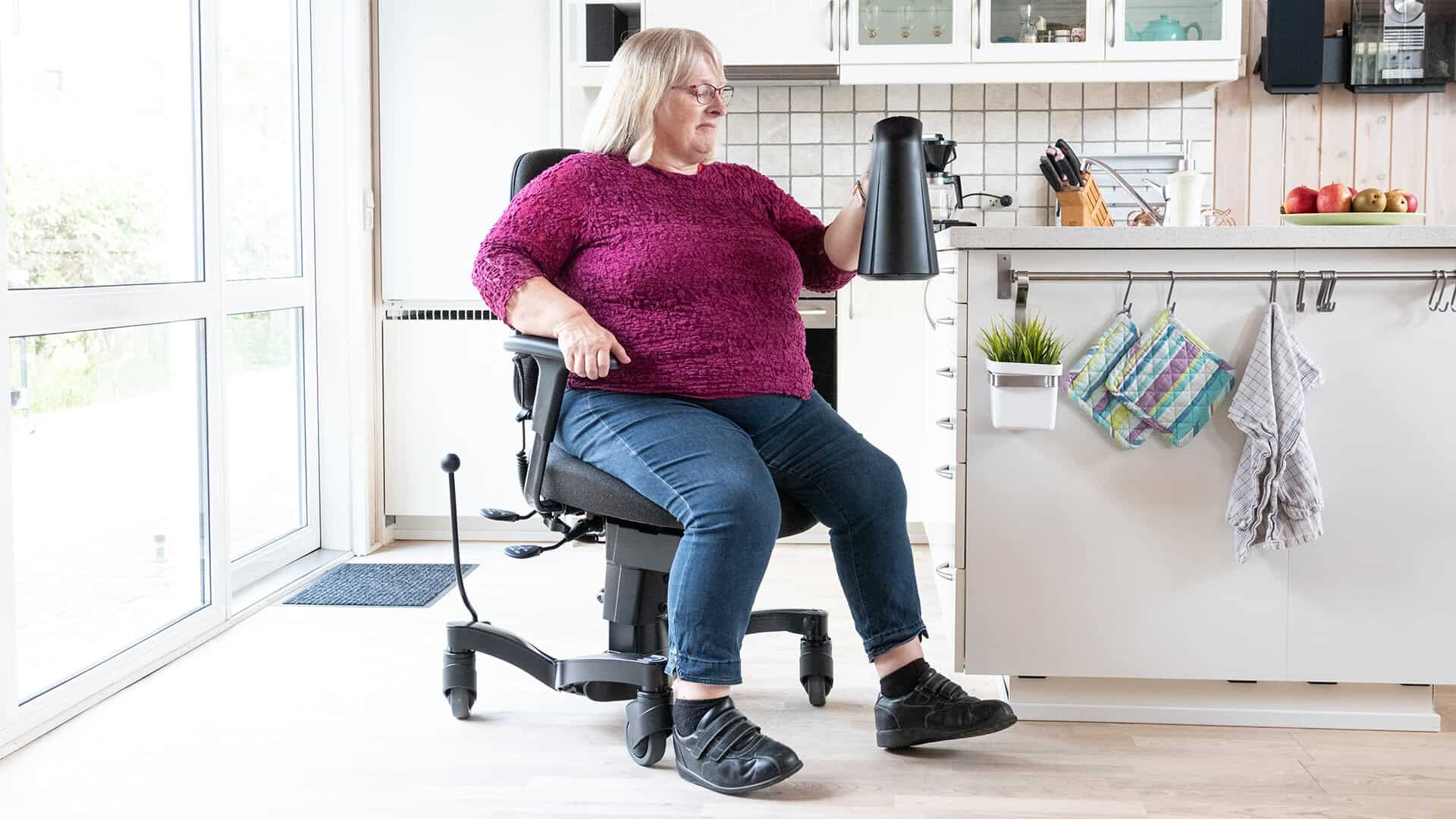
As families seek solutions to support aging in place, mobility aids like VELA Chairs prove invaluable by enhancing independence and delaying the need for nursing home care. These chairs are equipped with features such as a central brake for stability, electric height adjustability, and easy-to-use controls, which ensure safety and energy conservation for seniors. With the VELA Chair, daily activities such as cooking, cleaning, and relaxing become less strenuous, thus maintaining dignity and freedom. While VELA is one viable option among others, its proven and practical design addresses key challenges faced by those striving to remain in their own homes longer, mitigating risks associated with falls and enhancing overall quality of life. For further understanding, resources on supporting seniors’ independence with mobility chairs offer detailed insights.
Recent trends also highlight the increasing adoption of AI-powered assistive technologies and digital health solutions to support seniors both at home and within facilities. Smart walkers, exoskeletons, wearable monitors for health and fall detection, and sensor-enabled home devices are being deployed to facilitate aging in place and minimize hospitalization risk. These advancements include virtual and hybrid rehabilitation models using AI-based motion tracking and remote care, providing highly personalized and efficient therapy plans. Regulatory changes in staffing mean that facilities increasingly leverage technology, rather than fixed RN ratios, to ensure safety and efficiency in care delivery.[9][10][5]
Sources
- Seniorly – Facility Overview
- Medicare.gov – Nursing Home Ratings
- ProPublica – Nursing Home Report
- Peplinski Group – Facility Details
- Nursing Home Site – Occupancy Rates
- Everything Medical Online – Latest Trends in Mobility Aid Technology for 2025
- SynchronyFL – The Future of Home Health Care: Trends to Watch in 2025
- CMS QSO-25-NH Memo – Nursing Home Ratings Update, June 2025
- CMS Revised Guidance for Nursing Home Surveyors, Effective February 2025
- The Consumer Voice – CMS’s Revised Guidance for Nursing Home Surveyors, April 2025
- Heisinger Bluffs – The Future of Senior Living: Trends to Watch in 2025
- Provider Magazine – Long Term Care 2025 Trends and Outlook
- UnitedHealthcare Community & State – How Enabling Technology Is Transforming Home-Based Care, August 2025
- iHealthcareAnalyst.com – Geriatric Assistive Devices Market: Trends, Technologies & Outlook 2025
- AHCA News – CMS Makes Updates to Nursing Home Care Compare and Five Star Ratings, June 2025
- CMS Proposed Rule for Nursing Homes: Key Updates for FY 2026
- CMS repeals minimum staffing requirements for skilled nursing, long-term care facilities
- HHS releases rule repealing federal nursing home staffing mandate
- CMS Rescinds Nursing Home Staffing Requirements
- Top Trends That Will Shape the Skilled Nursing Sector in 2026