

Updated September 2025: We have updated the article to reflect the latest advances in assistive technologies for nursing home and home care settings, including the growing integration of AI-driven robotics, smart beds, portable monitors, and virtual reality for rehabilitation and emotional well-being. The article now addresses how these emerging technologies are enhancing quality of life, improving caregiver efficiency, supporting safety, and introducing new trends in personalized and psychological support, as well as the ongoing challenges around access, regulation, and stigma.
A Guide to Memorial Nursing Homes: What You Need to Know
Navigating the complex landscape of nursing homes can be daunting, particularly when searching for “memorial nursing home” facilities. While not indicative of a single location, “memorial nursing home” refers to numerous branded healthcare facilities scattered across the United States. Understanding modern nursing home dynamics, evaluating quality and services, financial considerations, and alternative care options are vital steps in making informed decisions.
Navigating the Landscape of Modern Nursing Homes in 2025
The evolving landscape of nursing homes in 2025 is characterized by advanced care models and shifting demographics. According to the Centers for Medicare & Medicaid Services (CMS), Medicare payments to skilled nursing facilities have increased by 4.2% for the fiscal year 2025, amounting to approximately $1.4 billion in additional payments. This underscores a commitment to supporting quality care. Furthermore, the National Investment Center for Seniors Housing & Care (NIC) reports that nursing care occupancy reached 84.5% in the third quarter of 2024, reflecting a continuous trend in demand for skilled nursing facilities.
Modern nursing homes adhere to an intricate regulatory framework designed to ensure high-quality care delivery. Recent years have seen a shift towards more personalized and resident-centered care models, integrating technology and innovative practices that address diverse patient needs. Technologies such as robotics and AI-enhanced assistive devices are increasingly integrated into care, aiding rehabilitation, mobility, and daily support through adaptive, intelligent systems. Smart beds and portable monitors are also being used to support non-intrusive monitoring of residents’ health and safety, with data often integrated into electronic health records for improved interdisciplinary care coordination.[1][3][4][6]
Assessing Quality and Services: What to Look for in Memorial Nursing Homes
Assessing quality and services offered by memorial nursing homes is crucial. As per the CMS, quality rating systems highlight facility performance, emphasizing the importance of choosing a facility with high ratings. Important aspects to consider include a strong staff-to-resident ratio, which influences the level of personalized care each resident receives.
Innovative assistive technologies are becoming key features in quality assessments. Facilities now may utilize robotic mobility aids and smart wheelchairs with sensors and voice controls that adapt to resident needs, as well as advanced monitoring to enhance safety and reduce physical strain on staff. Virtual reality technology is being introduced in some settings, providing emotional and psychological support, reducing anxiety, depression, and pain, especially in advanced care or palliative environments.[1][4][5][6]
In practical terms, a facility with a higher number of staff can provide more consistent one-on-one attention, which is vital for activities of daily living such as bathing, dressing, and eating. Testimonials from residents and families frequently praise facilities that offer specialized amenities and personalized care plans, emphasizing the impact of compassionate staff.
Financial Planning for Nursing Home Care: Navigating Costs and Coverage
Financial planning for nursing home care involves navigating various costs and funding options. Medicare and Medicaid are primary sources of funding, each covering different aspects of care. According to A Place for Mom, many seniors also rely on a combination of private pay and insurance alternatives, often used alongside government programs to cover the full spectrum of expenses.
The introduction of advanced technologies—ranging from smart beds to AI-powered devices and virtual experiences—offers compelling benefits but also brings financial considerations. These innovations can sometimes increase up-front costs but may enhance efficiency, improve care outcomes, and reduce long-term expenses by supporting autonomy and safety.[1][2][3]
Consulting with experts in elder care finance for personalized advice can be beneficial. They can guide you on how to supplement government programs with private insurance and other financial strategies, making nursing home care more affordable.
Exploring Alternatives: Beyond Traditional Nursing Home Care
Several viable alternatives exist for those considering options beyond traditional nursing homes. Home health care, assisted living facilities, and continuing care retirement communities (CCRCs) each offer unique advantages. For example, CCRCs provide a continuum of care by allowing seniors to transition from independent living to more comprehensive care as their needs change.
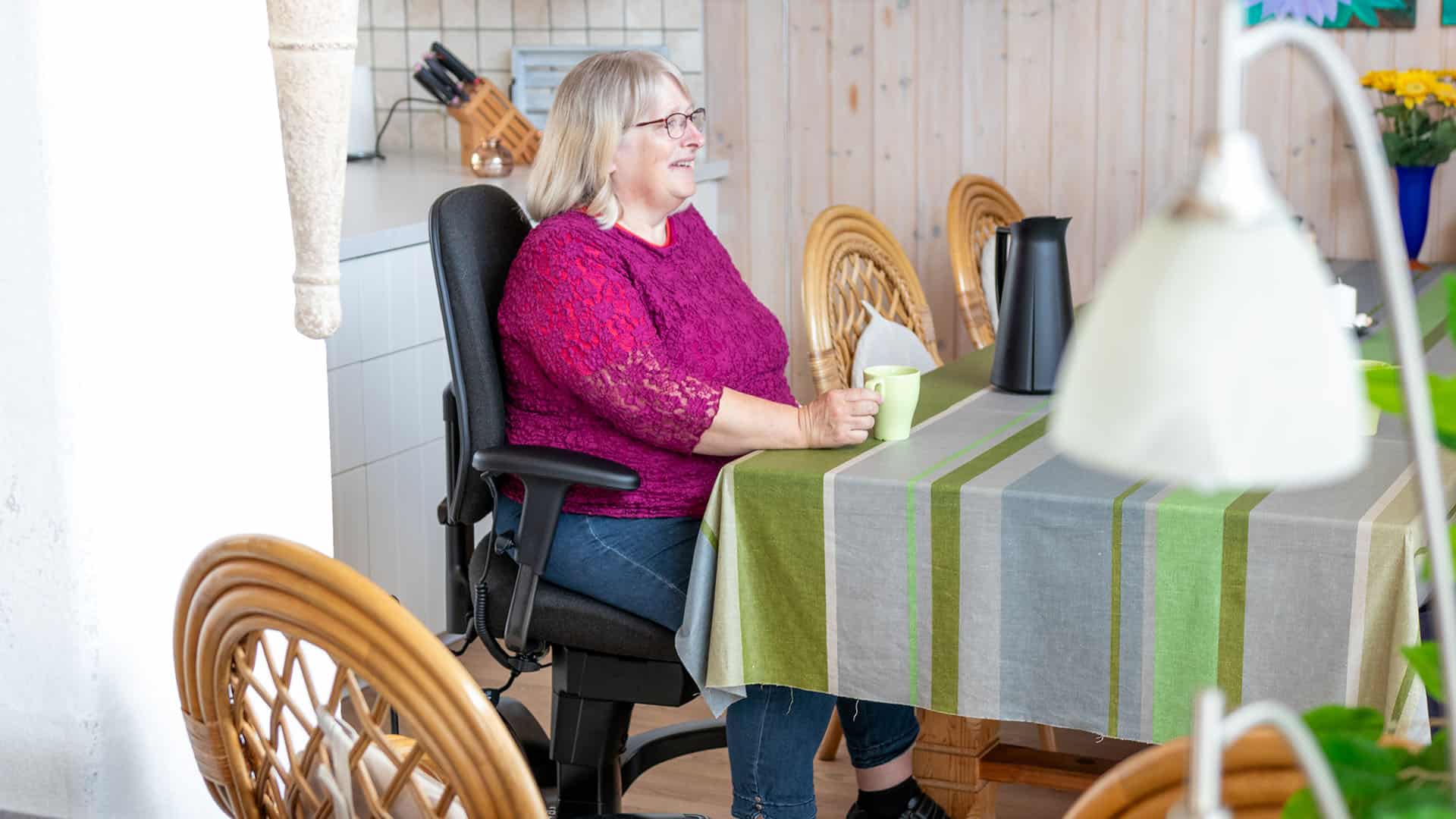
Research from the National Center for Biotechnology Information (NCBI) shows that specialized mobility equipment significantly enhances the quality of life for seniors aging in place. Building on this, enabling technologies such as smart locks, remote monitors, and connectivity tools are facilitating independence at home, helping manage chronic conditions, reducing caregiver workload, and making aging in place safer and more feasible.[2] This is where adaptive mobility equipment such as VELA chairs comes into play, offering improved mobility, fall prevention, and promoting independence—a critical consideration for seniors who prefer remaining at home.
A growing number of seniors and their families are exploring options that enable aging at home, where maintaining independence can sometimes present challenges. To address these, solutions like the VELA Chair, a medically approved mobility chair designed for home use, are becoming increasingly popular. These chairs provide enhanced safety and freedom of movement while seated, supporting daily activities like cooking, dressing, or transferring, all while reducing the burden on informal caregivers. Additionally, new technologies such as computerized orthotics and virtual reality are helping not only with physical rehabilitation but with psychological well-being, delivering emotional support and enhancing the overall experience for those aging in place.[2][5]
Summing Up the Considerations
In summary, understanding the nuances of modern nursing home care, the latest trends in assistive technology, assessing quality and services, planning financially, and exploring alternatives are essential for making informed care decisions. Addressing the diverse needs of seniors involves not only the use of advanced physical aids but also digital support tools, smart monitoring, and even AI-driven personalization to enhance daily life and clinical care.
It is also important to recognize ongoing challenges such as technology access, affordability, digital literacy, privacy, and stigma associated with device use. Awareness and inclusive design are critical in promoting widespread adoption of these technologies.[5][6] Whether opting for a traditional nursing home or considering alternatives like VELA chairs-equipped homecare, the primary goal remains ensuring the safety, comfort, and well-being of our senior citizens.
The selection of a care facility or an alternative approach should always involve a balanced consideration of potential benefits and limitations, ensuring a well-rounded decision in favor of the senior’s physical and emotional health.
Sources
- Attentive Home Care, “The Future of Skilled Nursing: Technology Transforming Care” (2025): Robotics and AI in physical rehabilitation and nursing efficiency [1]
- UnitedHealthcare Community & State, “How Enabling Technology Is Transforming Home-Based Care” (2025): Enabling tech benefits for autonomy and reduced caregiver burden [2]
- Western Governors University Blog, “6 Technologies Transforming Patient Care” (2025): Smart beds, portable monitors, fall prevention [3]
- Everything Medical Online, “The Latest Trends in Mobility Aid Technology for 2025” (2025): Smart wheelchairs with AI, sensors, voice control [4]
- Taylor & Francis Online, “Assistive Technologies for People with Advanced Disease and Palliative Care” (2025): Use of assistive devices and virtual reality in palliative settings, barriers to access [5]
- PubMed Central, “Integrating AI and Assistive Technologies in Healthcare” (Dec 2024): Review of AI-driven assistive technology development and challenges [6]
- PubMed Central, “Digital Assistive Technologies for People Living with Dementia” (2025): Impact of digital tools on social health and cognitive support [8]