

Updated January 2026: We have updated the article with the latest insights on AI-powered health monitoring systems, connected and smart medical devices, personalized AI-driven care planning, robotics-assisted therapy, and sustained telehealth use in senior care.
Updated October 2025: We have updated the article with the latest advances in AI-powered smart wheelchairs, wearable exoskeletons, smart home assistive technologies, technology-enabled care models, AI-driven rehabilitation practices, and current regulatory trends supporting inclusive and personalized senior care.
Making Informed Choices for Senior Care in Mercer County
In Mercer County, Pennsylvania, a range of nursing homes actively supports the area’s senior population, with about 86 facilities dedicated to providing essential care. This diverse spectrum of care services becomes crucial as families navigate the complex landscape of senior living options. Understanding these choices and making informed decisions is more important than ever, given the significant financial implications. According to the LTSS Center Report, the average annual cost for a semi-private room in Mercer County’s nursing homes is approximately $116,800. Additionally, there has been a decline in occupancy rates, from 89.6% in 2009 to 85.6% in 2019, necessitating a thorough assessment of available options.
Overview of Nursing Homes in Mercer County, PA
Mercer County’s nursing homes provide varied services tailored to seniors’ diverse needs. Among the 86 facilities, several offer specialized programs, including memory care and rehabilitation services, which are crucial for meeting the community’s needs. According to Caring.com, the overall user rating for these facilities stands at 3.5 out of 5 stars based on 214 reviews. These ratings often focus on quality and range of care, serving as important feedback for families evaluating potential residences.
Residents frequently express positive experiences with the affectionate and dedicated staff, indicating a strong human connection that extends beyond mere statistics. This human element can be pivotal when choosing a facility, as it significantly affects the well-being of the residents.
Top-Rated Nursing Facilities in Mercer County
Identifying top-rated facilities involves examining places like Quality Life Services – Grove City, Saint Paul Homes, and Avalon Springs Place. These institutions are consistently recognized for exemplary care standards. Saint Paul Homes, for instance, excels with comprehensive care services, and its tailored programs address diverse health needs. One resident shared, “The staff treat us like family, making this truly feel like home,” which underscores the facility’s commitment to fostering a homely environment.
Understanding Nursing Home Costs in Mercer County
Grasping nursing home care costs is crucial for effective financial planning. Semi-private room costs average $116,800 annually in Mercer County, while private rooms demand higher fees. Medicare and Medicaid can help alleviate financial burdens; however, there is a notable Medicaid funding gap of $86.26 per resident day in Pennsylvania, as detailed by LeadingAge PA. Families should explore state financial assistance programs to manage expenses effectively, ensuring seniors receive necessary care without significant financial strain.
How to Choose the Right Nursing Home in Mercer County
Selecting a suitable nursing home in Mercer County involves careful scrutiny of several factors, including quality ratings, staffing ratios, and the availability of specialized care. During facility visits, it is advisable to inquire about staff-to-patient ratios, caregivers’ qualifications, and the recreational activities provided. The Pennsylvania Department of Health offers comprehensive guidelines on regulatory compliance, aiding families in trusting the institutions they choose. Reviews from platforms like Caring.com provide a robust foundation for informed decisions.
Alternative Care Options in Mercer County
For those considering options beyond traditional nursing homes, Mercer County provides a variety of alternatives, including home care services, assisted living facilities, and transitional care programs, each offering different levels of care and independence. A Mercer County resident who opted for assisted living stated, “Having the extra support while maintaining my independence has been life-changing.” This highlights the significance of aligning care choices with personal preferences and health needs.
Supporting Aging in Place: A Practical Option
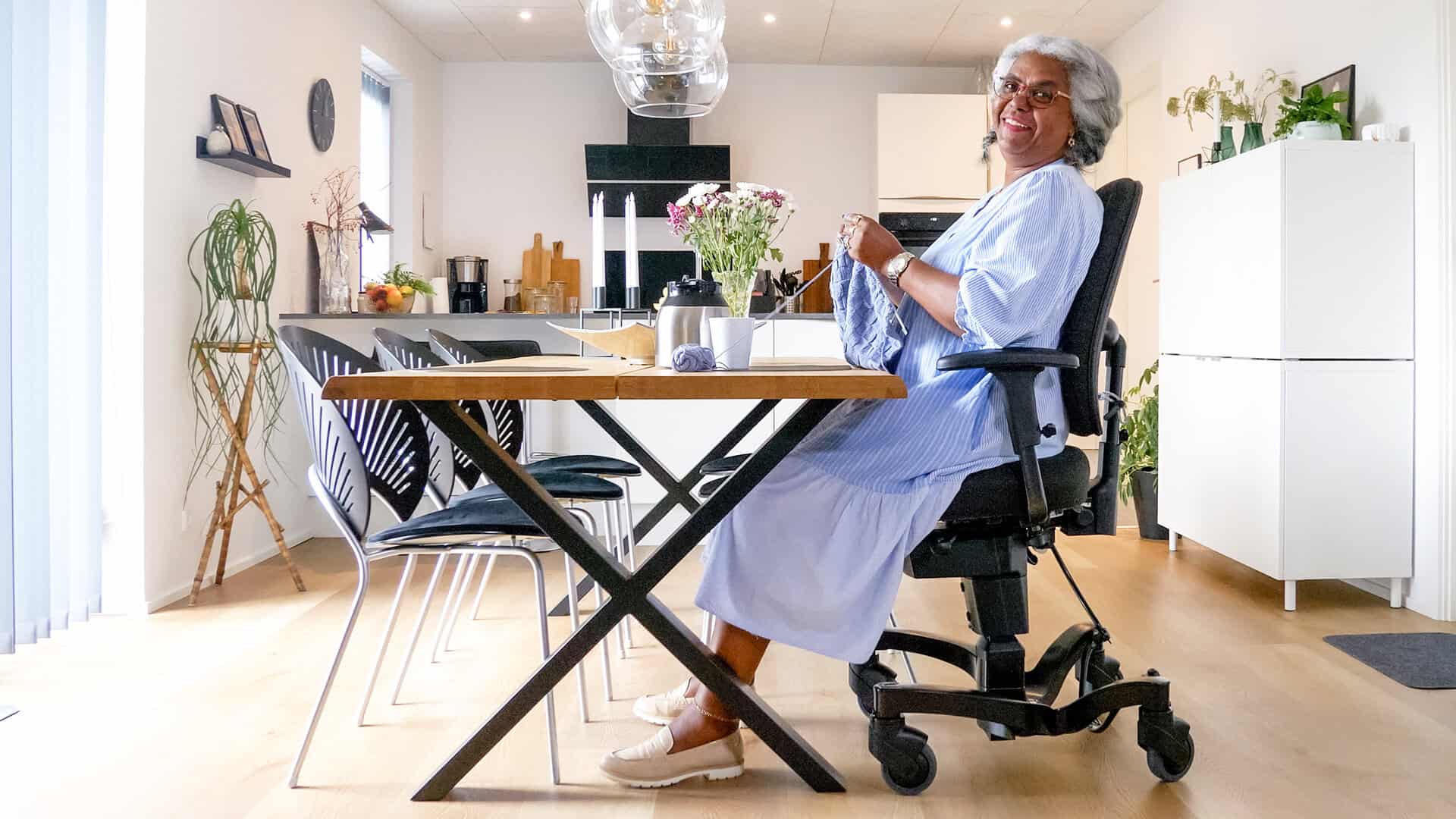
The practical benefits of VELA Chairs allow many seniors to remain independent longer in the comfort of their homes. Specifically tailored for the elderly, these chairs incorporate features such as a central brake for added safety, electric height adjustability for easier transfers, and smooth mobility for seated movement. These attributes not only address critical concerns like safety and energy conservation but also help delay the need for transitioning to a nursing home. Imagining life with a VELA Chair offers a vision of dignity and freedom, with users experiencing enhanced ease in everyday tasks such as cooking, cleaning, and relaxation. While VELA is a proven and practical solution, it is but one among several options that can significantly improve quality of life for seniors choosing to age in place over entering a traditional care facility. For more insightful information, consider exploring how comfortable senior chairs for daily living can support elder independence.
Latest Advances in Assistive Technology and Senior Care
Senior care in Mercer County and beyond is experiencing rapid transformation driven by recent advances in assistive technologies. The latest trends include the introduction of AI-powered smart wheelchairs with GPS navigation, collision avoidance, voice controls, and health monitoring sensors, which extend user independence and safety. Wearable exoskeletons and lightweight mobility aids improve ergonomics and can be customized to individual user needs, allowing for better comfort and adaptation to a range of physical abilities. These devices increasingly harness artificial intelligence to learn from daily routines, anticipate support requirements, and offer real-time health management. EverythingMedicalOnline.com; PMC (NCBI)
New research also finds that AI-powered health monitoring systems and predictive analytics are becoming standard features in senior care, enabling earlier interventions and personalized care planning for seniors with chronic illnesses. Connected medical devices, such as smart grab bars with fall detection, app-controlled portable oxygen concentrators, and wearable biometric sensors, are now essential tools for supporting home-based senior care and facilitating continuous remote monitoring. Aria Care Partners
The adoption of robotics-assisted therapy and smart mobility aids continues to rise, with these technologies now recognized as mainstream options in geriatric rehabilitation. AI is increasingly leveraged to personalize nursing care plans and therapy programs, helping to improve outcomes through adaptive interventions tailored to each senior’s needs. In addition, telehealth maintains a substantial role in care delivery, with a quarter of Medicare recipients utilizing virtual visits for ongoing medical oversight as of 2024. Heisinger Bluffs
Smart home technology continues to play a critical role in enhancing safety and autonomy for seniors. Innovations such as voice-activated assistants, automated lighting, and remote monitoring systems make the living environment adaptable and accessible. These solutions support independent living by reducing fall risks, simplifying daily routines, and ensuring that help is available when needed. Inclusive product development, rooted in user feedback and ergonomic studies, has made such technologies more accessible for those with both physical and cognitive challenges. UnitedHealthcare Community & State; LetsEnvision.com
There have also been significant improvements in rehabilitation practices, with therapy now incorporating personalized, technology-enhanced approaches that leverage sensor data and AI to tailor programs to each individual’s recovery and engagement needs. Wearable sensors aid clinicians in adapting care plans in real time, improving outcomes for seniors. iHealthcareAnalyst.com
The regulatory landscape is adapting as well, with new policies and clinical guidelines supporting wider adoption of technology-enabled home care models and integrated telemedicine. These changes reflect a broader focus on person-centered, tech-driven care and the need to address caregiver shortages through remote monitoring and virtual support. Advances such as 3D printing are addressing barriers of cost and accessibility, making customized aids more broadly available. Heisinger Bluffs; Juniper Communities
Across all these domains, there is a growing emphasis on inclusive, user-driven design and person-centered care planning powered by AI and IoT connectivity. Satisfaction data indicates that seniors and families increasingly appreciate these modern solutions, which foster independence, comfort, and safety while supporting aging in place as a viable and appealing alternative to traditional nursing home care. Heisinger Bluffs; Aria Care Partners
References
- Synchrony Health, “The Future of Home Health Care: Trends to Watch in 2025” (April 2025)
- ButterflyMX, “Senior Living Technology Trends 2025: Shaping the Future” (July 2025)
- MyCareConcierge.org, “How Technology Will Transform Senior Care in 2025” (Feb 2025)
- EverythingMedicalOnline.com, “The Latest Trends in Mobility Aid Technology for 2025” (May 2025)
- UnitedHealthcare Community & State, “How Enabling Technology is Transforming Home-Based Care” (Aug 2025)
- Next Market Strategy Consulting, “Disabled and Elderly Assistive Device Market | 2025–2030” (May 2025)
- PMC (NCBI), “Integrating AI and Assistive Technologies in Healthcare” (March 2025)
- Aria Care Partners, “Skilled Nursing Facility and Post-Acute Care 2025 Trends” (Feb 2025)
- Heisinger Bluffs, “The Future of Senior Living: Trends to Watch in 2025” (September 2025)
- LetsEnvision.com, “What’s Next for 2025: The Future of Assistive Technology & AI Assistants” (August 2025)
- iHealthcareAnalyst.com, “Geriatric Assistive Devices Market: Trends, Technologies & Outlook” (June 2025)
- Juniper Communities, “Senior Living Trends in 2025” (October 2025)