

Updated January 2026: We have updated the article with the latest advancements in AI-powered mobility aids, all-terrain and autonomous wheelchairs, neural implant technologies, inclusive mobility-as-a-service solutions, and insights from 2026 industry conferences—illustrating Methodist Home’s adoption of modern technology, policy-driven improvements, and expanding access for seniors in need of advanced assistive solutions.
Methodist Home for Nursing and Rehabilitation: A Commitment to Quality Care
The Methodist Home for Nursing and Rehabilitation in Riverdale, Bronx, New York, exemplifies exceptional senior care, proudly maintaining a 5-star rating from Medicare. According to Medicare.gov, this rating is a testament to the facility’s unwavering dedication to quality since 1850. The non-profit status of the Methodist Home underscores its mission-driven approach, focusing on compassionate, skilled nursing care for its residents rather than profit margins. Families trust the Methodist Home for its comprehensive approach to elder care, emphasizing both quality and empathy.
History and Overview of Methodist Home for Nursing and Rehabilitation
Founded in 1850, the Methodist Home has a rich history rooted in community service and excellence in elder care. As noted on the Methodist Home’s official website, the facility has continually adapted to meet the evolving needs of its residents. This adaptability is evident in the testimonials from family members who highlight the compassionate, respectful, and high-quality care their loved ones receive. The Methodist Home remains dedicated to serving the elderly population of New York City, making it a stalwart in the community for over 170 years.
Quality of Care and Medicare Ratings
The 5-star Medicare rating is indicative of the Methodist Home’s exceptional care standards, earned through comprehensive evaluations of resident care quality, staffing, and health inspections. According to Medicare.gov, such ratings are crucial for families making informed decisions about elder care, providing assurance of the facility’s commitment to excellence. Residents and their families often commend the skilled, attentive staff, which significantly contributes to the high ratings observed by ElderGuide.
Comprehensive Services and Specialized Programs
Residents at the Methodist Home benefit from an extensive range of services designed to address diverse health needs. The facility boasts an on-site dialysis center operated in collaboration with the Rogosin Institute, facilitating necessary treatments without the additional stress of travel, as mentioned by Seniorly. Rehabilitation services aim to restore independence to residents, with success stories often citing smooth transitions back to home life due to these individualized programs.
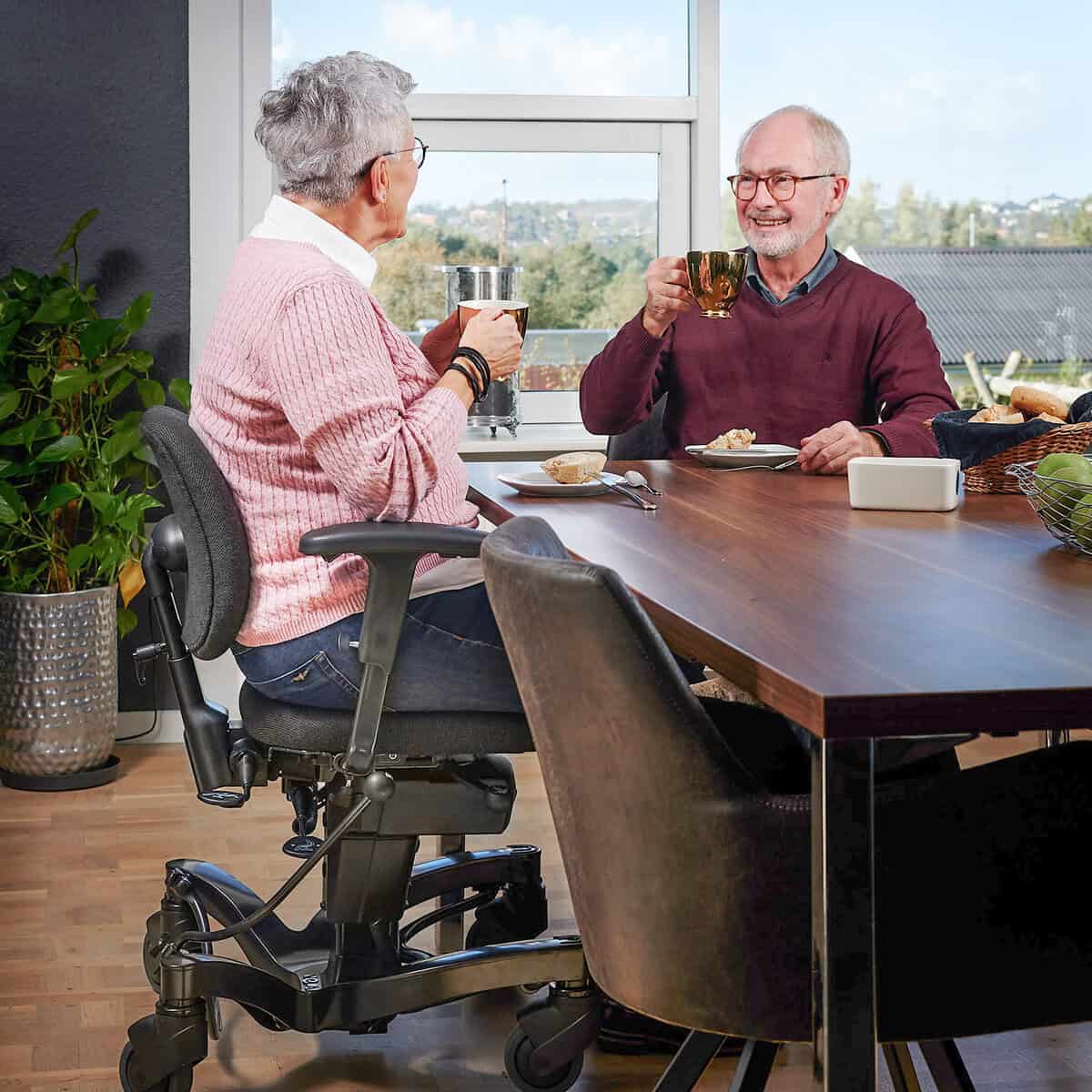
Supporting residents’ independence remains a top priority at Methodist Home. Technologies like VELA chairs offer adaptable support for those transitioning between facility and home care.
In recent years, the integration of advanced assistive technology has expanded significantly. The use of AI-driven remote health monitoring now allows for real-time tracking of vital signs, automated health alerts, and predictive care planning. Wearable and portable health monitors enable continuous measurement of heart rate, oxygen saturation, respiratory patterns, and ECG data, supporting timely clinical responses and encouraging mobility and autonomy for residents.
Smart beds with built-in sensors help prevent pressure ulcers by automatically repositioning residents and alert staff to fall risks when patients attempt to leave the bed alone.
The adoption of robotics and AI-enhanced mobility aids, such as smart wheelchairs with features including GPS, collision avoidance, remote app control, voice commands, and integrated health monitoring, has provided greater independence and safety to residents with mobility challenges. Recent upgrades feature AI-powered retrofitting add-ons, such as LUCI systems, which enhance standard wheelchairs to prevent pressure sores and further protect geriatric residents.
All-terrain power chairs, like XSTO’s X12, are now available for outdoor rehabilitation, enabling residents to safely navigate stairs and uneven surfaces. Manual wheelchair users benefit from easy-to-install electric attachments such as WheelMove, extending their range and reducing caregiver burden.
In the field of rehabilitation, AI-driven neural implant therapies—such as recent Neuralink trials—are showing promise in supporting natural walking recovery after spinal cord injuries, demonstrating the facility’s ongoing interest in evidence-based, cutting-edge care options.
Robot-assisted rehabilitation and socially assistive robots are increasingly used in long-term care, offering support with daily living, motor exercises, social engagement, and cognitive stimulation. This both augments staff capacity and reduces loneliness among residents.
Smart home integration and tailored environmental control systems are being adapted to support occupational performance and psychosocial well-being, allowing for customized care environments that maximize independence and safety.
Digital assistive technologies for dementia care have expanded, with hybrid virtual reality exergaming and AI-driven supports now incorporating features to enhance cognitive function, foster social engagement, and reduce caregiver burden for elders living with dementia.
The ongoing integration of Internet of Things (IoT) technologies automates routine safety checks, monitors environmental conditions, and improves the comfort and independence of residents in both assisted living and rehabilitation environments.
Electronic health records (EHRs) are linked with connected devices and assistive technologies, streamlining care coordination, enabling data-driven rehabilitation practices, and supporting efficient, personalized care plans.
Telemedicine services improve timely access to medical care and facilitate seamless collaboration between healthcare teams.
Recent regulatory and market trends, including Medicaid-managed care and the response to healthcare workforce shortages, are driving broad adoption of these technology-based solutions for supporting independence, safety, and high-quality care. Value-based healthcare policies are now increasingly focused on the integration of these advanced assistive solutions, as highlighted in 2026 conferences from Duquesne University and the University of South Carolina.
Affordability and inclusive design remain central considerations, with inclusive mobility standards like MaaS-Bridge ensuring accessible transportation and care transitions. Insurance funding models and toolkits are emerging to support upgrades, making new technology accessible to more residents.
Sources: Synchrony Financial, Saratoga Grove Assisted Living, UnitedHealthcare Community & State, Eldercare Alliance, Provider Magazine, Western Governors University, NCBI, PMC, ResearchAndMarkets Report, AOTA, Everything Medical Online, Mindbowser, Mobility Management, Duquesne University, University of South Carolina.
Facility Amenities and Resident Experience
Methodist Home offers amenities that enrich residents’ lives and promote engagement. Facilities such as an arts room, a well-stocked library, and a fitness center contribute to a vibrant community atmosphere. The activity calendar is filled with events that foster social interaction and personal growth, ensuring that residents remain active both physically and mentally, as highlighted on the Methodist Home website.
Residents and staff describe daily routines that emphasize individualized care, making each resident feel valued and supported.
The demand for preserving human connection remains strong. Experts emphasize that while advanced technologies are reshaping elder care, maintaining meaningful daily interactions and individualized attention is essential to the overall well-being and satisfaction of residents.
Sources: Provider Magazine, NCBI.
Staying Independent at Home with Support
As the desire to age in place grows, innovative solutions like VELA Chairs provide viable alternatives to traditional nursing home care. By aiding in critical areas such as safety and mobility, these chairs often help extend the period during which seniors can live independently.
Features like electric height adjustability and ease of movement while seated are particularly beneficial for daily tasks such as reaching high shelves, preparing meals, or simply transferring from the chair to other locations in the home.
Recent advances in home healthcare now include AI-powered mobility aids with features such as GPS navigation, collision avoidance, remote app control, and real-time health monitoring, along with wearable health devices and integrated environmental sensors. New developments include retrofittable power systems for manual wheelchairs and AI navigation supports, which improve safety and significantly reduce reliance on caregiver support. All-terrain and stair-climbing wheelchairs, as well as wearable navigation aids such as iSee glasses for low-vision elders, make independent living more feasible for a greater number of seniors.
Accessible mobility-as-a-service solutions, exemplified by the MaaS-Bridge system, are now designed to ensure reliable and barrier-free pick-up points, further supporting independence at home and in the community.
Telemedicine platforms and integrated health records allow professional consultations, medication management, and proactive intervention, supporting seniors and their caregivers as they pursue an aging-in-place strategy.
Tailored smart home solutions offer customized automation, adjusted for the individual’s needs, to enhance everyday functional abilities and psychosocial wellbeing, making independent living more accessible and secure for elderly adults.
Digital assistive technologies and virtual reality-based exergaming are available to community-dwelling seniors, especially for those with dementia, to improve cognitive function and engagement, while AI-driven supports further help reduce caregiver stress.
Affordability challenges are recognized, with progress in policy tools, insurance funding for technological upgrades, and increasing availability of inclusive designs to extend access to a broader range of seniors.
By providing stability and assisting with energy conservation, VELA Chairs contribute to maintaining dignity and independence, key desires among the elderly population. For those transitioning from a care facility such as Methodist Home, these home-adaptation mobility aids offer a seamless continuation of supportive care, mitigating the risk of falls and lessening the physical demands on informal caregivers. While VELA is not the only option available, it stands out as an effective and practical choice for those adhering to an aging-in-place strategy, underscoring the importance of thoughtful design in enhancing quality of life.
Sources:
Saratoga Grove Assisted Living, UnitedHealthcare Community & State, Western Governors University, NCBI, Everything Medical Online, PMC, ResearchAndMarkets Report, AOTA, Mindbowser, Mobility Management, Duquesne University, University of South Carolina.