

Updated January 2026: We have updated the article to reflect the repeal of the 2024 federal minimum nursing home staffing requirements, new methodologies for CMS Five-Star Quality Ratings, a 3.2% Medicare rate increase for 2026, refinements to Quality Reporting Programs, and Florida’s proposed repeal of Certificate of Need (CON) requirements for nursing homes. These changes impact regulations, quality ratings, and facility choices for Miami families. No new research on assistive devices or rehabilitation trends is available.
Updated October 2025: We have updated the article to reflect new Florida laws requiring nursing home medical director certification, biennial patient safety culture surveys, and enhanced resident rights to install monitoring devices. CMS revisions to Five Star rating calculation, updated nursing staffing requirements, and strengthened clinical leadership standards have also been incorporated for a clearer and more accurate overview of Miami nursing home care.
Choosing the Right Miami Nursing Home: A Comprehensive Guide
Making the decision to choose a suitable nursing home for an elderly loved one in Miami is crucial. Miami, a region celebrated for its cultural diversity and a significant elderly community, hosts numerous nursing homes often operating at an occupancy rate of around 84.7%. According to Florida Health Care Association, the financial commitment can be substantial, with semi-private rooms averaging $9,290 per month. Ensuring the right facility is chosen involves understanding these costs, assessing quality ratings, and evaluating specific services provided by these institutions.
Overview of Miami Nursing Homes: Costs, Quality & Options
Miami’s array of nursing homes is as varied as its population, reflecting the city’s multicultural backdrop. Costs in Miami notably exceed the national average, with private rooms reaching approximately $11,000 monthly. Families often utilize the Medicare five-star rating system to gauge quality, which rates staffing levels, health inspections, and overall care quality. Since June 2025, CMS has updated the rating methodology: only the two most recent standard surveys are considered (instead of three), aiming to provide more current information to families. As of October 29, 2025, the Five-Star Quality Rating System also incorporates updated antipsychotic usage data to better reflect current facility practices. CMS now publishes aggregated ratings for nursing home chains to increase transparency about multi-facility operators. COVID-19 vaccination data has been removed from public nursing home profiles. These updates are significant when making informed decisions. According to Medicare.gov and AHCANews, these ratings remain indispensable tools for judging care standards.
As of FY 2026, Medicare payment rates for skilled nursing facilities have increased by 3.2%. Clinical category mappings and the SNF Quality Reporting Program (QRP) have also been refined, removing certain assessment elements from the Minimum Data Set and updating metrics for families comparing financial stability and care quality. (CMS FY 2026 SNF PPS Proposed Rule, CMS FY 2026 SNF PPS Final Rule Fact Sheet, AHCA Statement on FY 2026 SNF Rule).
Top-Rated Nursing Homes in Miami: Features and Ratings
Several eldercare facilities in Miami consistently receive top marks. The Riverside Care Center is renowned for its exceptional staffing and comprehensive care programs, while Miami Shores Nursing and Rehab Center excels with a 5-star Medicare rating. Such facilities are recognized for their cultural competence and specialized programs, making them prime choices for families prioritizing personalized care. According to Seniorsite.org, these centers are acclaimed for maintaining favorable staffing ratios and providing bilingual services to accommodate Miami’s diverse community. Florida law now requires nursing homes to meet minimum licensed nurse staffing ratios: at least 1.0 hour of direct licensed nursing care per resident per day and at least one licensed nurse per 40 residents, supporting resident safety and quality of care (Florida Statutes). A key new Florida law also requires nursing home medical directors to obtain recognized certification (such as from PALTmed or equivalent) by January 1, 2026, raising standards for clinical leadership and accountability (PALTmed). Notably, federal minimum staffing mandates introduced in 2024 for 3.48 total nursing hours per resident day, including 0.55 RN hours and 2.45 nurse aide hours, and the requirement for 24/7 onsite RN coverage, have been repealed as of February 2, 2026. This means facilities are now subject to the prior federal standard of at least eight consecutive hours of RN coverage daily. Advocates emphasize that families should carefully review individual facility staffing and quality approaches, as resident safety and care outcomes may be impacted. (CMS Repeals Minimum Staffing Requirements, HHS Repeal of Nursing Home Staffing Mandate).
Understanding Costs and Payment Options
Understanding financial considerations is vital when reviewing nursing homes. In Miami, the cost for a semi-private room averages $9,290 monthly, notably higher than the national level. Private rooms can cost upwards of $11,000. Given these figures, understanding payment options is critical. Medicaid, which supports more than half of Florida’s nursing home residents, offers essential financial assistance. For those ineligible, private payment remains a necessary, if expensive, alternative (Florida Health Care Association). For 2026, a Medicare payment rate increase of 3.2% and updates to clinical reporting categories may influence facility resources and reimbursements, which families may consider when assessing a facility’s financial stability. (CMS FY 2026 SNF PPS Final Rule Fact Sheet)
Florida is also considering legislation to repeal Certificate of Need (CON) requirements for nursing homes, a move that could increase competition and expand options for families in the Miami area. (Florida AHCA Nursing Homes Regulations)
Specialized Services in Miami Nursing Homes
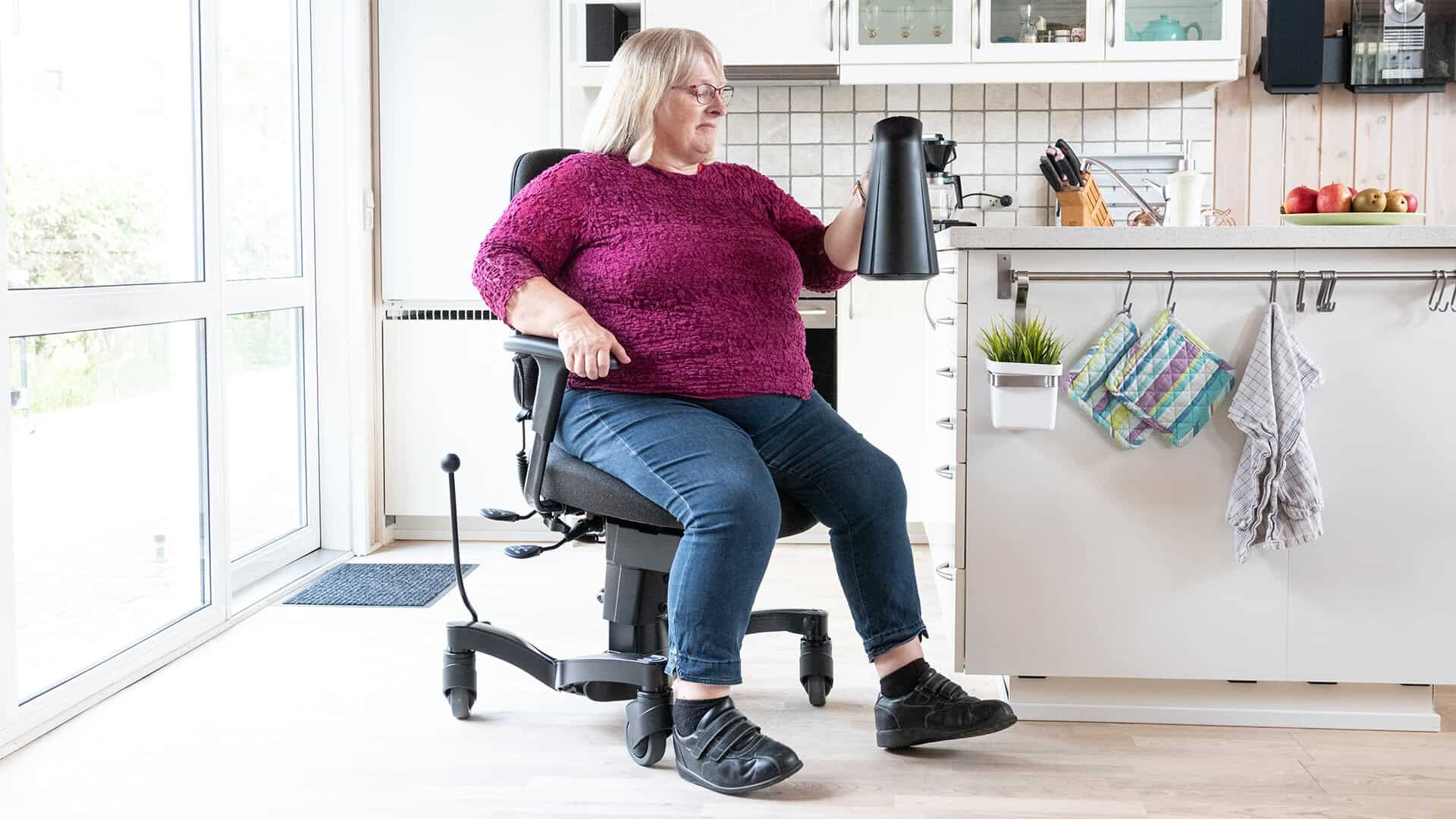
In understanding the landscape of eldercare, it is important to consider alternatives that enable older adults to maintain their independence while addressing their care needs. The VELA Independence Chair is one such solution designed for seniors wishing to continue living at home. A medically approved mobility chair, VELA provides enhanced safety and support for daily activities such as cooking, dressing, or transferring, all of which reduce the strain on informal caregivers. This approach not only supports the desire for independence but also addresses the balance between professional care and home-based solutions. The healthcare sector continues to prioritize assistive technologies, and recent Florida legislation now allows nursing home residents to install fixed video or audio monitoring devices in their rooms. Privacy and roommate consent requirements apply, and this right empowers residents and families to oversee the quality of care more directly and encourage transparency (Senate Bill Analysis). Ongoing trends emphasize fostering independence, patient safety, and the integration of evidence-based innovations to enhance rehabilitation and everyday life for residents.
Making the Right Choice for Elder Care in Miami
In conclusion, selecting a Miami nursing home requires balancing quality, cost, and individual needs. By reviewing five-star ratings, average costs, and specialized services, families can make decisions aligned with their values and preferences. It’s essential to recognize both the benefits and constraints of traditional nursing homes and innovative alternatives like VELA chairs, which offer options for those preferring independence at home. Families should also be aware of recent legislative changes: Florida law now allows residents or their representatives to install video or audio monitoring devices in resident rooms, provided proper consent protocols are followed (Senate Bill Analysis). Additionally, every Florida nursing home must conduct anonymous surveys of staff to evaluate patient safety culture every two years and submit action plans to the state agency. This new accountability measure is designed to improve resident welfare and internal quality assurance (PALTmed). With the repeal of federal minimum staffing mandates, it becomes even more important for families to review facility staffing, resident assessments, and overall quality metrics to ensure the chosen facility meets the specific needs of their loved ones. (CMS Repeals Minimum Staffing Requirements)
Making an informed choice is vital to ensuring the well-being of Miami’s aging residents and respecting their unique lifestyle preferences.
Supporting Aging in Place: A Practical Option
Many seniors wish to remain in their own homes as they age, and mobility solutions like the VELA Chair make this possible by enhancing their ability to perform daily activities safely and comfortably. With features like a central brake for safety, electric height adjustability, and ease of movement while seated, the VELA Chair supports seniors in maintaining their dignity and freedom. This can delay the need for moving to a nursing home, offering peace of mind for families and reducing the burden on caregivers. While it is an effective solution, VELA is one of several options available that help seniors enjoy a fulfilling life at home. For more information on supportive solutions for elderly independence, visit help for seniors at home. The right mobility aid can transform everyday tasks like cooking and cleaning, preserving energy and safety in the comfort of one’s own home.
Regulatory Focus on Quality and Safety
Regulatory oversight and quality standards for Miami nursing homes have recently evolved. As of February 2025, updated CMS surveyor guidance emphasizes strengthened oversight in facility admissions, discharge processes, medication management, infection control, and medical director responsibilities (CMS Surveyor Guidance). Medical directors are now expected to contribute actively to quality assurance programs and ensure safe medication practices, including the careful use of psychotropic drugs.
Beginning July 2025 and October 2025, CMS assessment for nursing home ratings places more emphasis on recent survey data and updated antipsychotic use, resulting in facility evaluations that reflect the latest care practices (CMS Updates to Nursing Home Ratings (QSO-25-NH)). In Miami-Dade County, nursing homes and other residential healthcare facilities are now required to submit and update Comprehensive Emergency Management Plans annually to ensure preparedness and resident safety during emergencies (Miami-Dade County).
There is also ongoing debate regarding staffing requirements as a recent federal staffing mandate was repealed in December 2025, returning to prior standards of eight consecutive RN hours daily. This increases the importance of Florida’s state-level staffing standards to protect quality of care and highlights the role of facility-conducted resident assessments in aligning staffing to actual patient needs (CMS Repeals Minimum Staffing Requirements, HHS Repeal of Nursing Home Staffing Mandate). Florida’s new requirements for certified medical directors and formal, biennial staff surveys to assess patient safety culture further contribute to a safer and more responsive care environment (PALTmed).