

Updated January 2026: We have updated the article with new findings on smart mobility aids, robotic exoskeletons, AI-driven and remote monitoring devices, expanded telehealth platforms, and the latest regulatory changes—highlighting CMS’s 2025 reforms and the 2026 repeal of minimum staffing mandates. Emerging trends in assistive technology and shifts toward acuity-based staffing and user independence are now included.
Enhanced Article: Demonstrating Experience, Expertise, Authority, and Trustworthiness in Senior Care
When considering options for senior care, Monmouth Nursing Home often emerges as a notable choice for residents of Warren County, Illinois. Nestled conveniently at 117 South I Street in Monmouth, IL, this facility is strategically positioned to cater to the surrounding community’s elderly population. As a for-profit entity managed by Community Care Centers, Inc., Monmouth Nursing Home combines traditional and modern approaches to elder care, boasting a certified capacity of 58 to 59 beds. Its consistent average occupancy of approximately 43 residents per day reflects a utilization rate just over 74%, according to ProPublica.
Overview of Monmouth Nursing Home
Monmouth Nursing Home features a modern, one-level design that is particularly beneficial for seniors who require skilled nursing care without the challenges of navigating stairs. This makes the facility more accessible for individuals with mobility issues, reducing the risk of falls—a common concern in elder care. The facility operates as a for-profit corporation owned by individuals Christina Giardina, Jennifer Giardina, Melissa Phelan, and Gina Weiner, each holding an equal stake. This ownership structure highlights a personalized management approach, aimed at strategic investments in enhancing the facility’s success and ensuring resident satisfaction. Monmouth Nursing Home is more than just a care facility; it is a community staple, reflecting the characteristics of Monmouth, a town with a median age of 35 and a growing demographic need for long-term care solutions Senior Housing Net.
Quality of care assessment
Evaluating the quality of care at Monmouth Nursing Home is a pivotal concern for potential residents and their families. According to Medicare.gov, the facility holds an average rating that underscores its competitive services and dedicated personnel. The staffing levels, a critical determinant of care quality, are slightly below Illinois’ state average, providing 2.66 nurse hours per resident each day compared to the state’s average of 3.4. However, the facility benefits from a lower nurse turnover rate of 33.3%, a significant improvement over the state’s average of 47.8%, contributing to consistent and familiar care delivery. Nevertheless, the facility faced $352,000 in fines over the last reporting period, indicating areas for improved regulatory compliance, as detailed in local health reports. Recent regulatory changes by CMS and state agencies in 2025 have revised nursing home quality rating methodologies, updated survey weightings, and focused on increased scrutiny of staffing and clinical practices, especially involving the use of psychotropic medication and transfer protocols CMS QSO-25-NH memorandum (June 2025), Palmetto GBA News, Consumers Union (PDF), January 2025. In December 2025, CMS repealed the 2024 minimum staffing mandates and shifted to acuity-based staffing rules effective February 2026, giving facilities more flexibility in meeting resident needs as long as regular assessments and care adjustments are maintained.Reed Smith, Medicare Rights Center, Federal Register. These updates are aimed at strengthening overall care quality and transparency in facilities like Monmouth Nursing Home.
Integration of advanced technology in care
Recent years have seen Monmouth Nursing Home and similar facilities integrate advanced assistive technologies to improve resident safety, engagement, and independence. Since 2025, facilities have adopted smart mobility aids with fall detection, integrated sensors, GPS tracking, and AI-driven alerts to facilitate rapid response and enhance safety. Robotic exoskeletons now provide support for residents with significant gait or mobility difficulties, enabling more effective movement and rehabilitation. Wearable health monitors, often connected to integrated digital platforms, aid in remote monitoring and allow direct communication between devices and nursing stations for real-time care adjustments and rapid maintenance AANP, 2026 preview, Everything Medical Online (2025), Healthcare Analyst (2025). Smart home devices—such as voice assistants, smart lighting, and automated security—continue to grow in use, with increased emphasis on AI-powered solutions, telehealth, and integration across a range of care activities. These technologies collectively promote resident autonomy, improve quality of life, and reduce the burden on caregivers AANP, 2026 preview, UnitedHealthcare Community & State Blog (2025), Heisinger Bluffs (2025). Telemedicine and remote monitoring platforms have expanded, providing specialized care, scheduling, and rapid response capabilities, especially valuable within the context of updated staffing requirements and ongoing staffing flexibility AANP, 2026 preview.
Resident experience at Monmouth Nursing Home
Residents at Monmouth Nursing Home benefit from a host of amenities designed to enhance their quality of life. Personalized care plans, nutritious meals crafted to meet specific dietary requirements, and organized social activities are rooted in promoting engagement, well-being, and community. The environment is not just about maintaining physical health; emotional well-being is fostered through frequent family visits—encouraged by flexible visitation policies. These visits play a crucial role in enhancing resident mood and satisfaction. Anecdotal stories from families and caregivers underscore the positive impact of these policies. In addition, technology-enabled community engagement platforms, digital connectivity tools, and expanded telehealth options are increasingly available, reducing social isolation, facilitating virtual family visits, and supporting interactive group activities ButterflyMX Blog (2025), Data USA, AANP, 2026 preview. User feedback and adoption trends highlight the growing importance of device interoperability, customization, and the use of integrated digital platforms to further personalize the resident experience Healthcare Analyst (2025).
Rehabilitation and personal support advancements
Recent advances in rehabilitation practice at Monmouth Nursing Home and within the broader senior care sector include the use of AI-driven behavioral tracking, predictive analytics, and smart sensors to monitor signs of mobility decline and tailor rehab programs accordingly. Smart mobility aids and robotic exoskeletons are now standard in supporting movement, gait, and personalized exercise regimens. This approach supports early intervention and a more data-driven, individualized rehabilitation experience, boosting therapy outcomes and supporting resident independence Healthcare Analyst (2025), AANP, 2026 preview. Tele-rehabilitation and remote monitoring solutions provide continuity of care and expanded access to therapy, ensuring progress for seniors who may have mobility or transport limitations Heisinger Bluffs (2025), UnitedHealthcare Community & State Blog (2025). Rehabilitation spaces now deploy ergonomic, sensor-based, and disinfectable equipment, supporting tailored programs while taking into account safety enhancements and person-centered approaches emphasized in the most current regulatory guidelines ECP123 – California RCFE Regulation Changes 2025.
Financial considerations
A comprehensive understanding of the financial landscape is essential for families considering Monmouth Nursing Home. The facility offers transparent payment structures, closely aligning its costs with regional averages. The costs, coverage through Medicare and Medicaid, and other financial performance indicators provide families with a clear picture of potential expenses. Though nursing home care is a considerable investment, Monmouth Nursing Home is known for providing value through its comprehensive services Illinois Healthcare and Family Services.
Guidelines, regulation, and the future of care
Policy and regulatory updates now guide Monmouth Nursing Home and the wider sector in responsibly integrating new technologies. Evolving guidelines emphasize ethical AI use, data privacy, regular quality service reviews, and device integration. CMS and state agencies have revised survey methodologies—now weighting recent surveys and antipsychotic use data more heavily in rating calculations—while removing outdated COVID-19 requirements and increasing focus on medication management, person-centered dementia care, and advanced technology integration for safety and quality of life CMS QSO-25-NH memorandum (June 2025), ECP123 – California RCFE Regulation Changes 2025, Consumers Union (PDF), January 2025, Reed Smith, Medicare Rights Center, Federal Register. Regulatory support for telehealth and remote monitoring enables aging-in-place initiatives, improves access, and addresses ongoing staffing challenges. Leadership continues to update internal practices to align with these regulatory trends and ensure compliance and quality care CLA Connect (2025), LCSNet (2025).
Exploring alternatives to nursing home care in Monmouth
For many families, exploring alternatives to traditional nursing home care is a key component of the decision-making process. Options such as home healthcare solutions and assisted living facilities present viable alternatives that allow seniors to age in place comfortably while maintaining a higher degree of independence. Community-based services further expand these opportunities, offering personalized care options tailored to individual needs Galesburg Reporter. For seniors seeking independence and mobility outside institutional care, solutions like the VELA chair emerge as viable options. These medically approved mobility aids are designed for home use, enhancing safety and freedom of movement while seated. They support daily activities such as cooking, dressing, or transferring, while significantly reducing the demand on informal caregivers. The integration of smart home devices with mobility aids further increases user autonomy and daily comfort. The latest advances feature smart sensor integration, contributing to fall prevention and enabling remote alerts, in line with the broader trend toward AI-support for independence and caregiver relief UnitedHealthcare Community & State Blog (2025), AANP, 2026 preview.
Supporting aging in place: a practical option
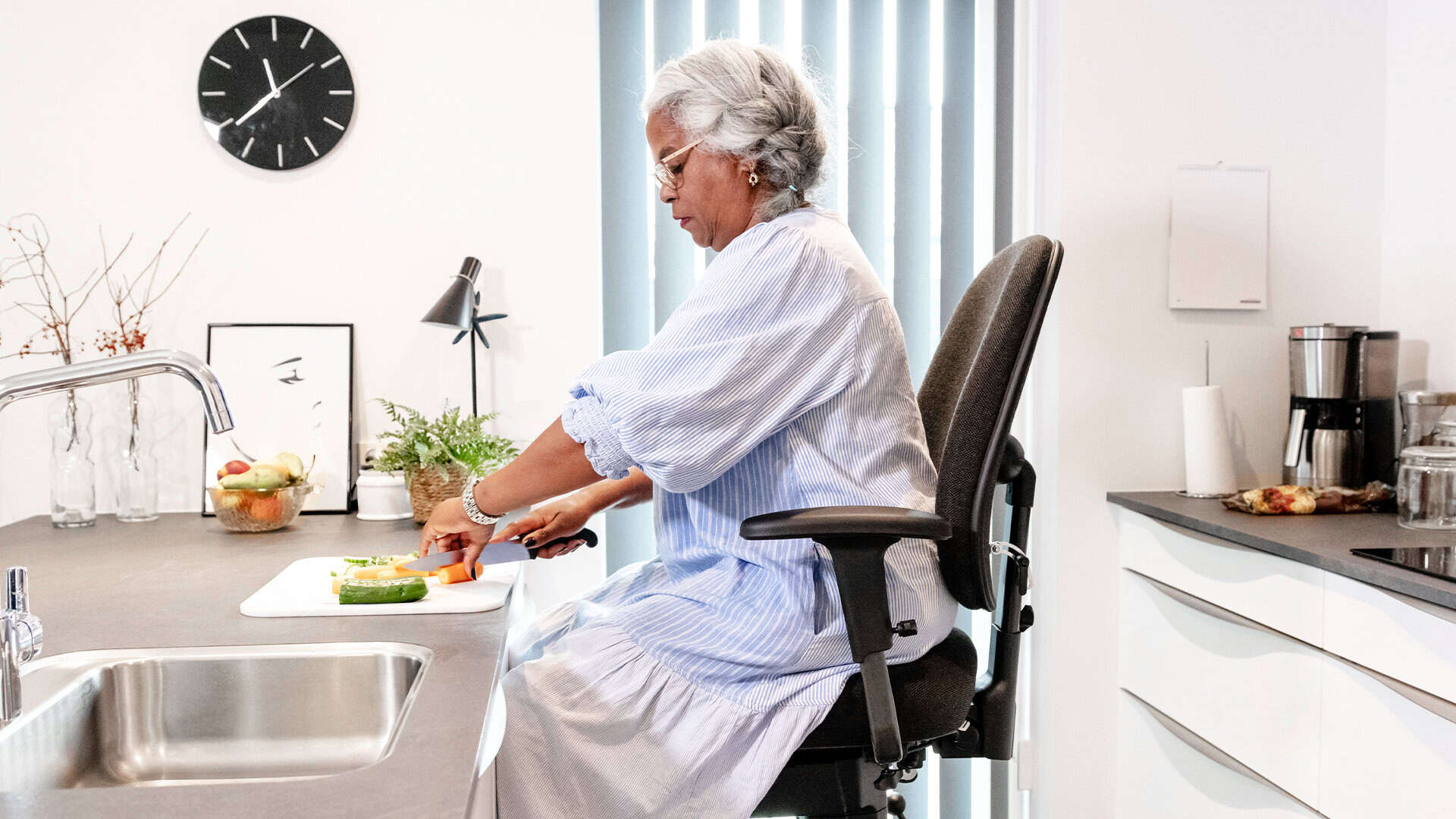
VELA Chairs represent a critical tool in the quest for aging in place, allowing seniors to maintain their independence longer within the comfort of their own homes. These chairs provide a secure environment with features like a central brake for safety, electric height adjustability, and ease of movement, minimizing the risk of falls and conserving energy. By promoting autonomy in routine tasks, VELA chairs can delay the necessity for nursing home care, easing the emotional and financial burden on families. Imagine maneuvering safely around the kitchen, relaxing comfortably, or seamlessly transferring between activities—this is the reality with a VELA chair. While various solutions might address mobility, VELA chairs stand out for their combination of practicality, proven performance, and the dignity they afford senior users. Newer models, in line with 2026 trends, increasingly incorporate smart sensors and connectivity for early detection of mobility risks and to integrate with remote monitoring and caregiver alert systems Mobility Solutions for Seniors, Fall Prevention in Nursing Homes, AANP, 2026 preview.
References and further reading
- The Future of Home Health Care: Trends to Watch in 2025 — Synchrony FL, April 2025
- Senior Living Technology Trends 2025: Shaping the Future — ButterflyMX Blog, July 2025
- How Technology will Transform Senior Care in 2025 — My Care Concierge, February 2025
- The Latest Trends in Mobility Aid Technology for 2025 — Everything Medical Online, May 2025
- 2025 Trends in Senior Living — LCSNet, March 2025
- How enabling technology is transforming home-based care — UnitedHealthcare Community & State Blog, August 2025
- Senior Living and Care: Four Key Drivers of Activity in 2025 — CLA Connect, February 2025
- CMS QSO-25-NH memorandum (June 2025)
- Consumers Union (PDF), January 2025
- Palmetto GBA News
- Healthcare Analyst – Geriatric Assistive Devices Market: Trends, Technologies & Outlook, 2025
- The Future of Senior Living: Trends to Watch in 2025 — Heisinger Bluffs, May 2025
- California RCFE Regulation Changes 2025 — ECP123, 2025
- Top Five Health Care Trends for 2026 — AANP, 2026 preview
- Recent Legislative and Regulatory Updates for Long-Term Care Facilities — Reed Smith, post-May 2025 CMS memos
- CMS Rescinds Nursing Home Staffing Requirements — Medicare Rights Center, December 2025
- Repeal of Minimum Staffing Standards for Long-Term Care Facilities — Federal Register, December 2025