

Updated January 2026: We have updated the article to include the latest 2026 best practices in nursing home care, such as the integration of AI-supported predictive analytics, smart flooring, sensor-based fall and pressure ulcer prevention, advanced pressure-relieving mattresses, expanded multidisciplinary rehabilitation (including 80% more physical therapy in leading centers), mandatory safety certifications for caregivers, and new CMS value-based reimbursement rules. Montgomery County homes are benchmarked against current Medicare staffing and quality data.
Navigating Nursing Homes in Montgomery County, Maryland
As the population of Montgomery County, Maryland, continues to age, the demand for nursing homes and related senior care facilities has grown significantly. Montgomery County is home to a substantial older adult population, hosting 357 residential facilities with more than 12,500 units dedicated to providing institutional care. Approximately 46% of all senior living units in the county cater to older adults, according to the Montgomery County Senior Living Report. With such a significant infrastructure dedicated to senior living, it’s no surprise that families are eager to thoroughly understand their options. The Montgomery County Nursing Homes Data Portal maintains comprehensive data on each facility, ensuring transparency and informed decision-making.
Overview of Nursing Homes in Montgomery County, Maryland
The rising demand for nursing homes in Montgomery County is largely driven by demographic trends. With more adults entering their senior years, the necessity for varied care options, such as nursing homes, assisted living, and Continuing Care Retirement Communities (CCRCs), has become paramount. According to IBISWorld, Maryland’s nursing care industry has a market size of $3.6 billion, with Montgomery County boasting one of the highest facility concentrations in the state. This underscores the community’s commitment to senior care.
Current trends in Montgomery County nursing homes reflect national advancements in technology-driven care and expanded rehabilitation. Facilities have adopted smart flooring and sensor-activated alarms for real-time fall detection, as well as skin sensors and advanced pressure-relieving mattresses with microclimate control to prevent pressure ulcers. AI-supported predictive analytics are now used for early identification of fall and infection risks, enabling rapid intervention. Rehabilitation after acute illness or injury is more intensive, with top-rated centers offering up to 80% more physical therapy per resident compared to the average.AllSeniors.org, 2026; SkilledNursingNews, 2026; US News, 2026 Enhanced person-centered care now involves multidisciplinary teams personalizing repositioning and rehabilitation regimens, integrating digital health and resident-centered activity planning, and offering culturally responsive care.
Regulatory changes play a substantial role. Federal and state mandates now require ongoing staff training, mandatory certification in elder safety and abuse prevention, and CMS value-based care rules that tie reimbursements directly to measurable outcomes—such as reduced hospitalizations (with top homes achieving 15% lower rates).SkilledNursingNews, 2026; LifePoint Health, 2026 Montgomery County Nursing Home’s Medicare data (updated January 2026) further supports the move toward higher staffing ratios, with 20% more total staff and lower turnover rates correlating with better clinical results.Medicare Staffing Data, 2026
Facility design continues to evolve with wellness-centered improvements, including non-slip and smart flooring, secure handrails, accessible green spaces, natural light, specialized rehab areas, and innovative assistive devices. These features, paired with technology, greatly reduce risks of injury and enhance recovery.AllSeniors.org, 2026
Susan, a local resident, recently shared her gratitude after her father’s stay at a top-rated local facility, emphasizing the peace of mind that comes with choosing a highly rated establishment.
Costs and Occupancy Rates for Local Nursing Homes
Understanding the financial aspects is crucial when considering a nursing home. In Montgomery County, the costs for semi-private rooms average around the national median of $8,669 per month, while private rooms can cost approximately $9,733, as reported by WTOP News. These costs are essential considerations, especially given the area’s high cost of living.
Opting for nursing home care often involves exploring payment options, such as Medicare and Medicaid, which can help alleviate some financial burdens. Additionally, occupancy rates in Montgomery County nursing homes frequently reflect national trends, with rates at approximately 81%, according to MedPAC. It’s wise to anticipate potential waiting lists, particularly for the more popular facilities.
Judy, who recently navigated her mother’s transition into care, found the financial planning daunting initially. Through detailed comparisons and a comprehensive understanding of payment options, however, families can ensure their loved ones receive the necessary care within their means.
Choosing the Right Nursing Home: What Families Should Consider
Selecting the right nursing home involves various factors beyond mere proximity. Location, the range of services offered, and quality ratings are integral to this decision. Specialized programs, such as memory care and rehabilitation services, are vital components that may sway one’s choice. Families should refer to resources like Medicare.gov for inspection and quality data, as these platforms are instrumental in assessing care quality.
Current best practices now set national standards for person-centered, holistic care—where technology and multidisciplinary approaches support individualized rehabilitation and prevent adverse events. Leading homes integrate smart flooring and sensor-activated alarms, real-time risk analytics, and advanced mattresses for pressure and ulcer prevention.AllSeniors.org, 2026 Staff receive mandatory safety and abuse-prevention certifications, and physical therapy offerings are expanded by up to 80% in top facilities.US News, 2026 Facility layouts are designed for both safety and resident self-direction, and outcome-based metrics—such as fewer hospitalizations and lower ER visits—are now used for public comparison.VJ Russo Law, 2026
Montgomery County facilities track closely with these trends. The latest Medicare data (January 2026) shows improvements in staffing (20% above previous averages) and lower staff turnover, which correlate with higher resident satisfaction and better health outcomes.Medicare Staffing Data, 2026 Expanded use of AI and sensor-driven tools supports safer, more independent living—while ongoing family engagement and a strong social atmosphere remain hallmarks of top-rated care.
With state and federal regulations now emphasizing ongoing staff training, value-based reimbursements, and multidisciplinary care planning, Maryland’s regulatory environment ensures accountability and the highest quality of life for residents.AllSeniors.org, 2026; LifePoint Health, 2026
Geriatric specialist Dr. Alan Peters advises families to visit multiple facilities, ask in-depth questions about care procedures, and speak with other families. Such firsthand observations and interactions are invaluable in making this significant decision.
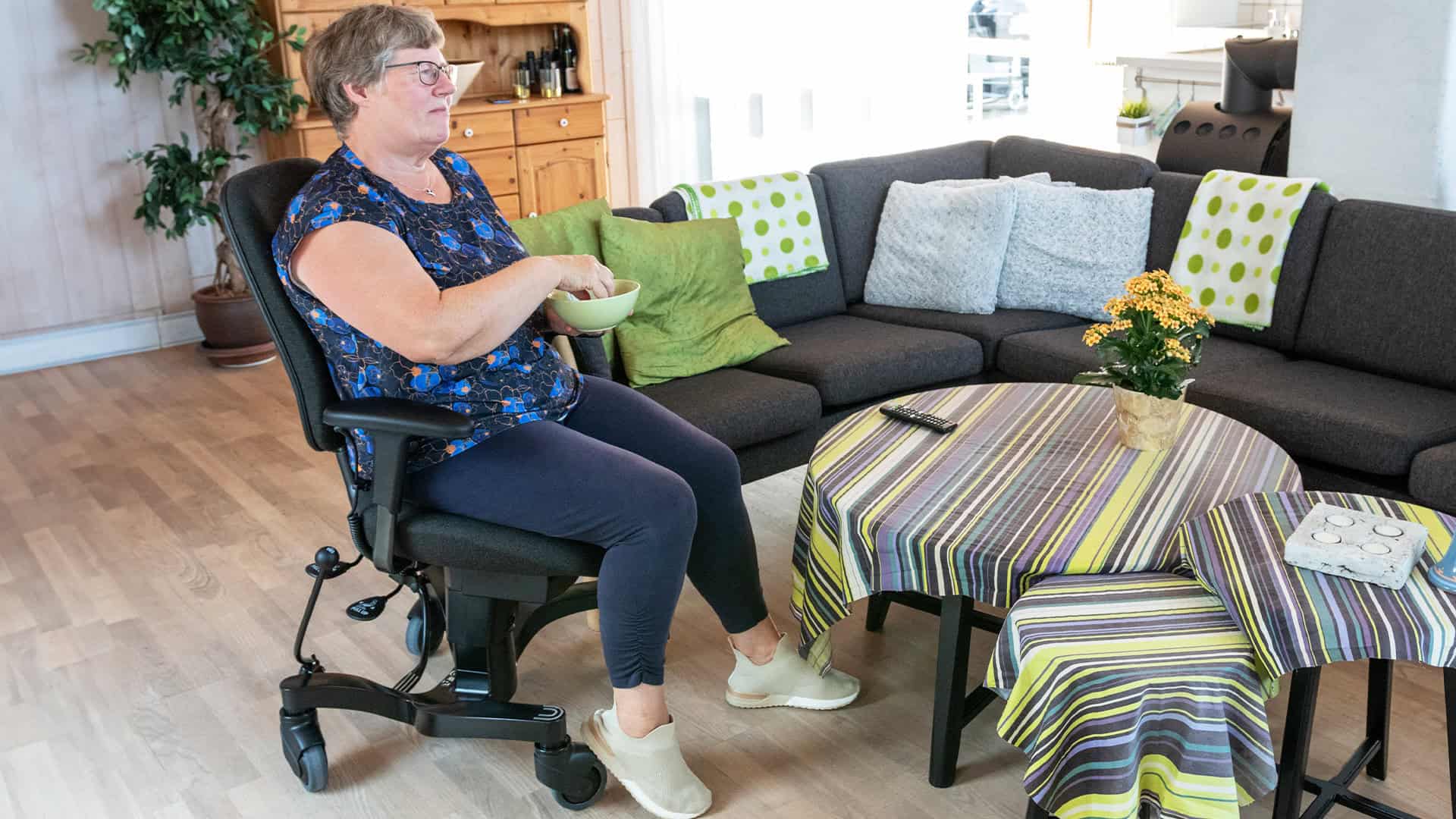
As the search for suitable care facilities continues, many families also explore alternatives that allow seniors to age at home safely. Innovations like the VELA Independence Chair offer practical solutions that promote home-based living by increasing mobility and reducing dependency on full-time residential care. The VELA is a medically approved mobility chair designed for use at home, providing enhanced safety and freedom of movement while seated. It supports daily activities like cooking, dressing, or transferring and eases the load on informal caregivers.
Supporting Aging in Place: A Practical Option
For seniors seeking to maintain their independence, the VELA Independence Chair is a valuable tool that can significantly impact daily life at home. With features such as a central brake for added safety, electric height adjustability, and ease of movement while seated, VELA chairs address many common challenges faced by older adults. These chairs reduce fall risks and conserve energy, facilitating activities like cooking or cleaning, and have the potential to delay the need for a move to a nursing home.
Alternatives like the VELA Chair highlight the importance of dignity, freedom, and safety in aging. While it is not the sole solution, the chair exemplifies how thoughtful design can support an active senior lifestyle at home. Seniors can enjoy more comfortable, energy-efficient daily living, gaining greater independence and reducing caregiver burden. With tools like VELA, the transition to institutional care can often be postponed, allowing seniors to age in place with grace and comfort.
AllSeniors.org, 2026;
US News, 2026;
SkilledNursingNews, 2026;
LifePoint Health, 2026;
Medicare Staffing Data, 2026;
VJ Russo Law, 2026