

Updated January 2026: We have updated the article with new findings on AI-powered mobility aids, remote monitoring wearables, smart home integrations for fall prevention, virtual rehabilitation with AI motion tracking, and the accelerated adoption of assistive technologies and predictive analytics in nursing and residential care. The article now reflects advancements such as sensor-equipped grab bars, robotic exoskeletons for rehabilitation, and updated regulatory and policy guidance to support autonomy and safety for residents.
Comprehensive insight into Moundville Health and Rehabilitation
When considering a Moundville nursing home, many families turn to Moundville Health and Rehabilitation as a trusted choice. Located in Moundville, Alabama, this facility is a cornerstone for elderly care within the community, providing compassionate and comprehensive services aimed at maintaining the well-being of its residents. Selecting the right nursing home for loved ones requires careful evaluation of factors including location, certification, and reputation.
Situated at 121 Union Street, Moundville Health and Rehabilitation operates as a for-profit corporation under NHS Operations LLC. According to Medicare.gov, it is backed by Medicare and Medicaid certifications, underscoring its commitment to providing quality care. The facility holds a three-star overall rating and maintains an approximately 97% occupancy rate, with 68 certified beds and an average daily census of 66 residents, reflecting its trusted status in the community.
Testimonials from both residents and families frequently commend the dedicated staff and warm atmosphere, indicating a nurturing environment where the dignity and community ties of each resident are upheld. This aligns with essential qualities of superior elder care.
Diverse care and rehabilitation services offered
Moundville Health and Rehabilitation distinguishes itself with an array of services designed to meet varied healthcare needs effectively. According to Senior Housing Net, the backbone of these services is skilled nursing care, with each resident receiving around 3.6 nursing hours daily. Rehabilitation programs are robust, tailored to enhance recovery and improve overall wellness through physical, occupational, and speech therapies.
In line with the most recent advancements in senior care, the facility benefits from the integration of AI-powered and smart assistive technologies. AI-integrated mobility aids, including sensor-equipped walkers and robotic exoskeletons, now feature predictive analytics for fall detection, automatic alerts, and real-time health monitoring. These smart devices support both mobility and safety, empowering residents to maintain greater independence and autonomy. The adoption of remote monitoring wearables enables continuous tracking of vital signs and rapid response to potential health changes, reducing the risk of hospitalizations and supporting early intervention.
Virtual and hybrid rehabilitation leveraging AI motion tracking allows for more personalized, adaptive therapy plans, and facilitates remote engagement with care teams. Smart home integrations, such as voice-activated systems, automated lighting, and sensor-equipped grab bars, further enhance environmental safety and daily convenience.
These innovations not only improve comfort and outcomes for residents, but also decrease the burden on caregiving staff by automating monitoring and providing actionable health data for timely interventions.
SynchronyFL,
EverythingMedicalOnline.com,
HBR Health Care Blog,
MyCareConcierge.org,
iHealthcareAnalyst.com,
Skilled Nursing News,
AANP,
Medtronic
For those recovering post-surgery or illness, Moundville Health and Rehabilitation offers targeted medical solutions such as stroke recovery and joint replacement management. The facility’s success stories often emphasize the effectiveness of personalized care plans that help residents regain independence, with AI-driven assessments supporting more targeted therapy recommendations and monitoring.
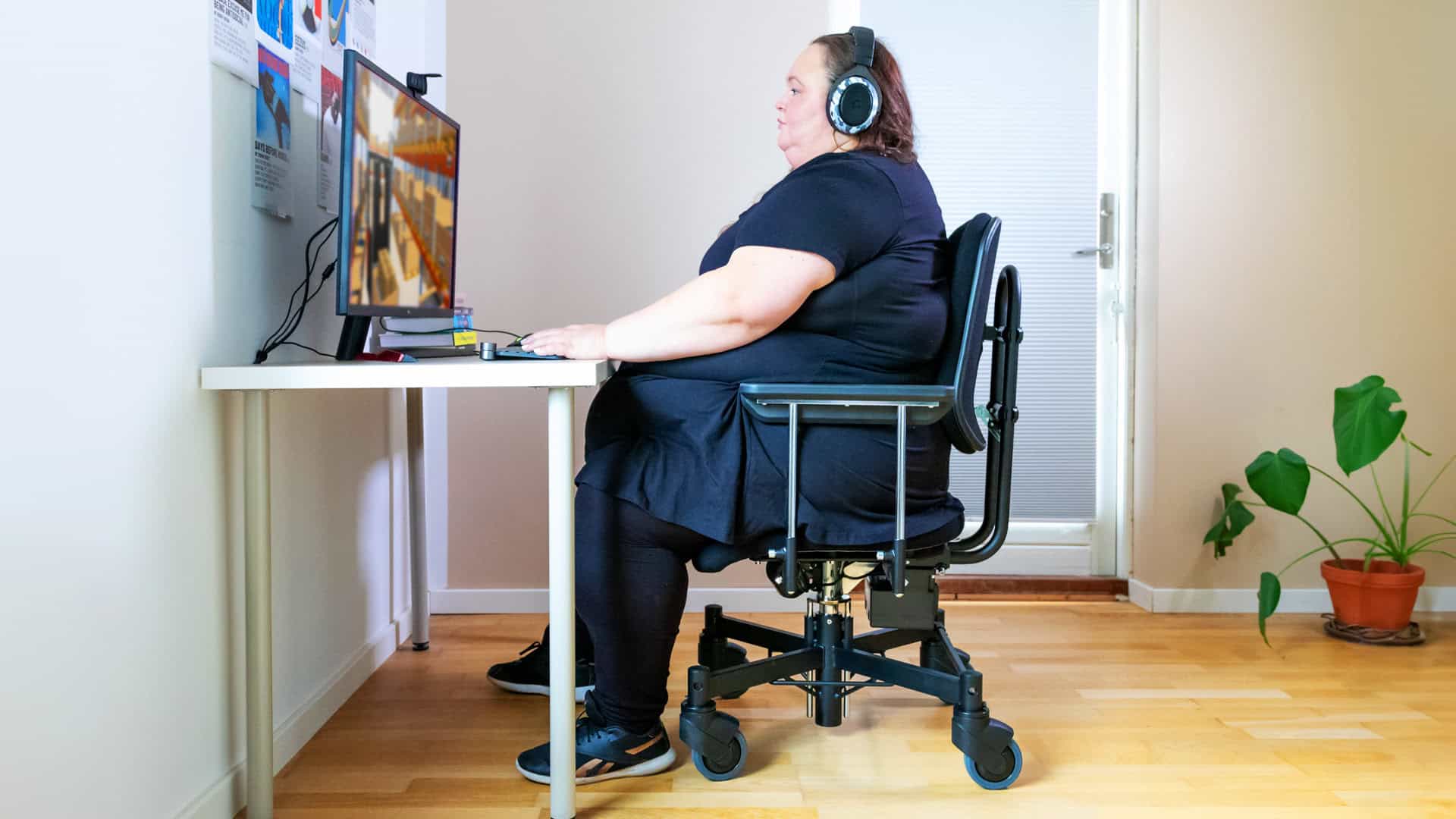
While traditional nursing homes like Moundville Health and Rehabilitation provide comprehensive solutions, some families seek alternatives that allow older adults to remain independent in their own homes. One innovative solution in this realm is the use of mobility aids like the VELA Independence Chair. This medically approved chair is specifically designed for home settings, ensuring enhanced safety and freedom of movement while seated. It supports daily activities such as cooking, dressing, or transferring, significantly reducing the load on informal caregivers.
Navigating costs and financial options for nursing care
Understanding the financial implications of nursing care plays a vital role in planning for a transition to Moundville Health and Rehabilitation. The facility’s monthly costs, according to Family Assets, range from $2,066 to $6,750, with an average monthly fee of approximately $4,408. Though slightly above the area average of $4,125, these charges mirror the extensive care and services provided.
Recent advances in assistive technology, including AI-driven mobility and monitoring solutions, are becoming increasingly affordable and accessible due to widespread adoption and expanding government support. Updated regulatory measures and faster FDA pathways have further helped expedite the availability of advanced connected devices in care settings, broadening access to technology-enabled independence for seniors.
CognitiveMarketResearch.com,
NextMSC.com,
iHealthcareAnalyst.com
Eligibility for Medicare and Medicaid can significantly ease financial burdens for qualified residents. For those ineligible, options such as private pay and financial planning strategies are available to help families manage expenses effectively while ensuring sustained quality care.
Enriching daily life: amenities and activities for residents
Moundville Health and Rehabilitation enriches its residents’ daily lives with a variety of amenities and activities aimed at fostering well-being and engagement. Reported by Senior Housing Net, the facility offers comfortable accommodations and a range of dining options, from in-room service to communal dining experiences, enhancing social interaction.
- Social activities, arts and crafts, and community events cultivate a sense of belonging and engagement among residents.
- Personalized services, such as those offered at the on-site hair salon, contribute positively to residents’ quality of life.
Modern amenities increasingly integrate smart home solutions, including voice-activated assistants, automated lighting, and sensor-enabled grab bars with real-time alerts, all of which help reduce fall risks and enhance independence. Smart home integration, in tandem with remote health monitoring, adds not only convenience but improves safety and provides continuous feedback to caregivers. These user-friendly technologies are designed with inclusive principles, reflecting both resident and caregiver feedback on usability and life quality impacts.
The proliferation of predictive, AI-integrated systems and sensor-based safety equipment is a direct response to sector trends focused on supporting independence and proactive care.
UnitedHealthcare Community & State Blog,
TideWave.no,
HBR Health Care Blog,
Skilled Nursing News,
AANP
Such offerings are often praised in testimonials, highlighting the vibrant and supportive environment created for residents. Balancing the pros and cons of nursing home care involves thorough examination of factors like resident independence, cost management, and service quality. Facilities such as Moundville Health and Rehabilitation provide exemplary care and community involvement, yet it remains essential to evaluate alternatives such as home care fortified with modern mobility solutions. Ultimately, the decision hinges on prioritizing the comprehensive well-being of elderly family members.
In summary, selecting an appropriate nursing home entails a nuanced evaluation of multiple elements. Moundville Health and Rehabilitation exemplifies high-quality elderly care through its extensive services and steadfast commitment to enhancing resident experiences. Families should consider not just costs but also the holistic impacts on their loved ones’ well-being when making these crucial choices.
Regulatory developments and person-centered care innovations in 2025
Recent regulatory updates by the Centers for Medicare & Medicaid Services (CMS), effective in 2025, bring stricter staffing compliance, heightened oversight on the use of psychotropic medications, enhanced protections for resident rights, and new health equity assessment requirements. Surveyor protocols are now more rigorous to ensure facilities demonstrate not just safety and care quality, but also individualized attention and inclusion for all residents. This environment has led to increased adoption of person-centered care approaches supported by technology, such as real-time health tracking, digital medication management, rehabilitation models tailored to resident preferences, and integrated AI-driven assessment tools.
As AI ethics and data security gain prominence in care planning, facilities are increasingly expected to ensure transparent and equitable use of these new technologies, further supporting autonomy and improved outcomes for seniors.
Sandberg Phoenix,
The Consumer Voice,
PALTmed,
HBR Health Care Blog,
UnitedHealthcare Community & State Blog,
Skilled Nursing News,
AANP