

Updated January 2026: We have updated the article to reflect recent advancements in assistive technology for nursing homes, such as AI-powered mobility aids, advanced fall detection systems, wearables for real-time health monitoring, and robotic companions. The article also details the rescission of federal minimum staffing mandates effective February 2026, and highlights the integration of VR/AR rehabilitation therapies and telemedicine, positioning Mountain City as forward-thinking in technology-supported care.
Overview of Mountain City Nursing & Rehabilitation Center
Mountain City Nursing & Rehabilitation Center, owned by the Saber Healthcare Group, is situated in the peaceful residential area of Hazle Township, PA, and strategically positioned near major highways for easy accessibility. With an average daily census of 207 residents and a certified bed capacity of 297, the center offers a variety of services, including skilled nursing, rehabilitation, and memory care, tailored for both short- and long-term care needs. The serene backdrop enhances the therapeutic environment, crucial for recovery and well-being.
Despite its tranquil setting, Mountain City has been flagged as a “Special Focus Facility Candidate,” an alert due to historical quality issues. As reported by ProPublica Nursing Home Inspect, the facility averages 3.46 nurse staffing hours per resident per day, which is below Pennsylvania’s state average of 3.9 hours. Additionally, the turnover rate among nurses is 46.1%, a critical issue impacting continuity and quality of care.
Quality Metrics and Special Focus Status Explained
The “Special Focus Facility” status is significant for potential residents and their families as it highlights ongoing quality issues that may affect resident care. According to Medicare.gov, facilities with this designation are required to make continuous improvements in several key areas, such as staffing and safety protocols. It is imperative to compare Mountain City’s metrics with state averages to fully understand the extent of these challenges. Adequately staffed facilities consistently drive better outcomes, safety, and satisfaction among residents, making these metrics a vital consideration for families.
Healthcare experts underline the importance of these metrics in decision-making. They argue that the quality of care is directly impacted by staffing levels, which are critical not only for safety but also for maintaining the residents’ overall well-being.
In line with recent regulatory trends, the Centers for Medicare & Medicaid Services (CMS) have released updated guidance for nursing home surveyors that will take effect in 2025. These updates focus on improved quality and increased oversight in long-term care facilities, as well as enhanced reporting requirements for viruses. This regulatory emphasis is designed to drive improvements in staffing, safety protocols, and overall care quality in facilities like Mountain City.
CMS Revised Long-Term Care (LTC) Surveyor Guidance
Effective February 2026, the longstanding federal minimum nursing home staffing mandates have been rescinded. Requirements such as 3.48 hours per resident day (HPRD) for total care, 0.55 HPRD for registered nurses, and 24/7 RN presence are no longer mandated at the federal level. While this change may ease operational pressures—especially in rural areas—it has also led to concerns about potential impacts on care quality and increased emphasis on enhanced, evidence-based facility assessments to ensure resident needs continue to be met.
CMS Fact Sheet on Minimum Staffing Standards, HHS Rule Repealing Federal Nursing Home Staffing Mandate, CMS Rescinds Nursing Home Staffing Requirements
Services and Specialized Programs at Mountain City
Mountain City is renowned for its rehabilitation services, encompassing physical, occupational, and speech therapy. These services aim to aid residents in recovering and regaining independence. The center’s Memory Care Neighborhood program is particularly noteworthy. It is designed to support residents with memory impairments, ensuring they are safe and engaged through tailored activities.
Mountain City also provides various activities promoting social wellness and engagement, including outings to local attractions such as casinos and shopping centers. These communal events foster a sense of belonging and enhance the residents’ quality of life.
As senior care evolves, Mountain City is adapting by integrating advanced assistive technologies and personalized solutions. Notably, AI-powered mobility aids, such as smart walkers and wheelchairs equipped with fall prevention and GPS, are being adopted to improve resident safety and independence. Advanced fall detection systems now use sensors and predictive analytics to anticipate and reduce risks. Health-monitoring wearables provide real-time vital sign tracking, supporting both on-site and remote care. Robotic companions are used to assist with daily tasks and reduce loneliness, enhancing social and emotional well-being.
Virtual and augmented reality (VR/AR) therapies are also becoming part of rehabilitation, offering engaging cognitive and physical exercises. These tools help support recovery while promoting a stimulating environment for residents.
Skilled Nursing News: Top Trends Shaping Skilled Nursing in 2026, AANP: Top Five Health Care Trends for 2026
The implementation of telemedicine and Internet of Things (IoT) solutions now supports continuous remote monitoring of residents’ health, allowing clinicians to intervene sooner and enhancing in-place care. These advances not only address ongoing care quality needs but also enable greater independence and dignity for residents in Mountain City’s tranquil environment.
Staffing and Care Quality Considerations
Staffing is integral to the quality of care provided at facilities like Mountain City. However, according to the Pennsylvania Department of Health, Mountain City faces challenges with staffing levels and nurse turnover rates. The facility’s nurse staffing hours fall short of the state averages, which can significantly impact resident care, leading to potential issues such as delayed response times and reduced one-on-one interactions.
With the federal minimum staffing requirements now rescinded, Mountain City and similar facilities must rely on robust, evidence-based care assessments and technology to ensure appropriate resident support. The emphasis is shifting from a universal staffing baseline to customized care planning, facilitated by AI and analytics that help identify resident needs and flag potential risks such as falls, infections, or health deterioration.
These technology-driven innovations are also helping to reduce the burden on caregiving staff and improve overall care quality, despite ongoing staffing challenges.
Skilled Nursing News: Top Trends Shaping Skilled Nursing in 2026, AANP: Top Five Health Care Trends for 2026
Addressing these staffing concerns is crucial for enhancing the quality of care and ensuring each resident receives the necessary attention and support.
Exploring Alternatives to Full-Time Nursing Home Care
Recognizing that traditional nursing home care is not the optimal solution for everyone, families often explore alternatives like in-home care, assisted living, and adult day care. These options promote independence while providing safety and support, tailored to the individual needs of their loved ones.
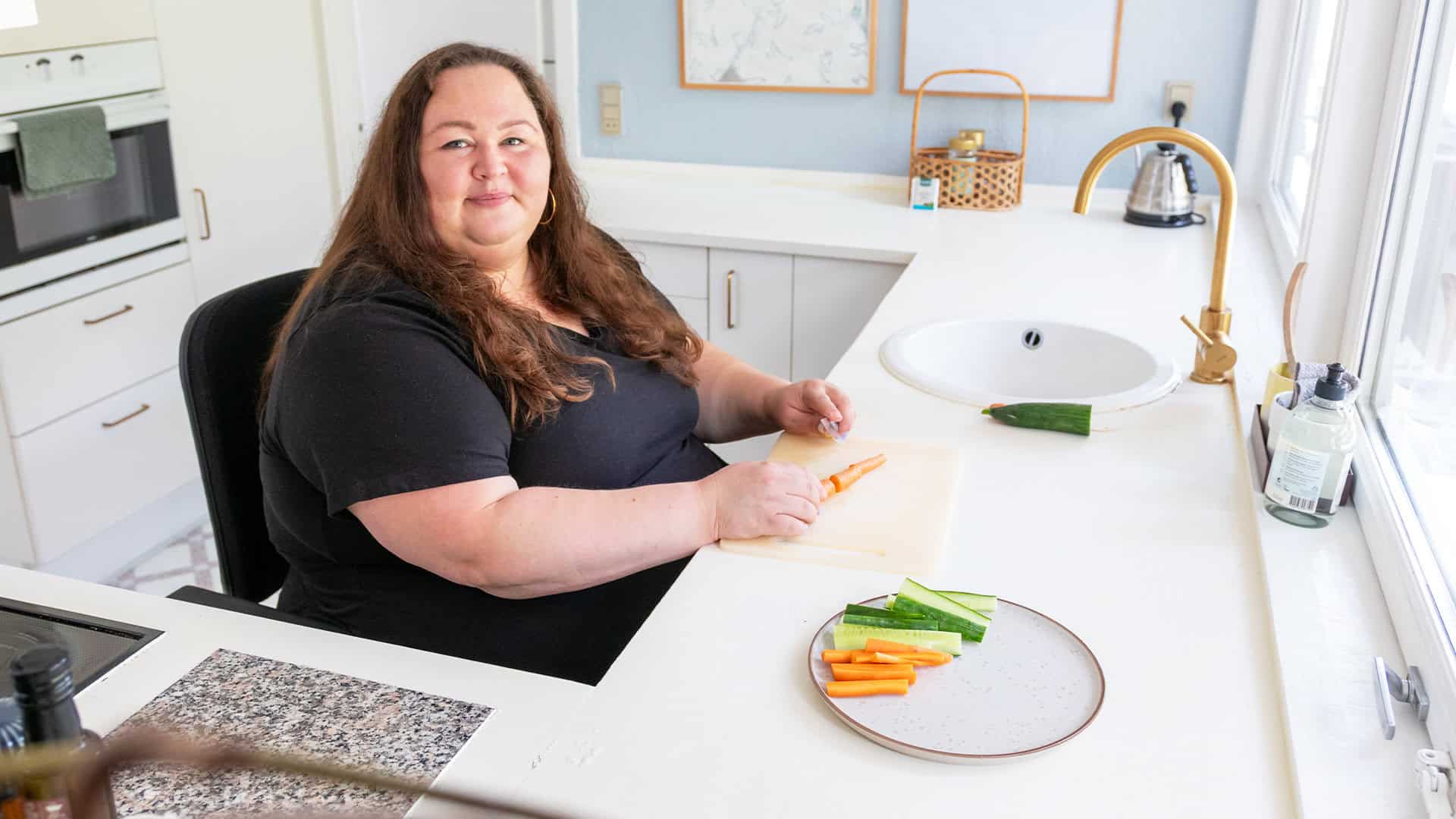
New trends in long-term care emphasize the integration of assistive technologies in home settings, supporting aging in place and reducing reliance on institutional settings. For those seeking effective ways to support independence while addressing the challenges of traditional nursing home environments, innovative solutions like the VELA Independence Chair offer practical advantages. This medically approved mobility chair is designed specifically for home use, providing older adults with enhanced safety and freedom of movement while seated. It supports a range of daily activities, such as cooking, dressing, and transferring, all while reducing the burden on informal caregivers.
Maintaining the ability to live independently at home can be a valuable alternative to nursing home care for many older adults. The use of specialized mobility solutions, like the VELA Independence Chair for senior mobility, can significantly contribute to this goal. Offering features such as a central brake for enhanced safety and electric height adjustability, the VELA Chair assists with everyday activities by easing transfers and promoting mobility. These attributes not only help preserve the individual’s dignity and autonomy but also reduce the physical demands on caregivers, ideally delaying the need for full-time nursing home admission.
Emphasizing safety, comfort, and energy efficiency, the VELA Chair stands as a testament to how thoughtful design and technological integration can support aging in place, providing peace of mind for families and caregivers alike.