

Updated January 2026: We have updated the article with the latest information on the repeal of federal minimum staffing mandates for nursing homes, increased adoption of AI and smart assistive technologies in senior care, new trends in remote monitoring and predictive analytics, and recent Medicare policy changes affecting rehabilitation services. Sources have been added to reflect these developments.
Navigating senior care options in Moweaqua, IL
Navigating the landscape of senior care options in Moweaqua, Illinois, can initially seem daunting, but with the right insights and resources, families can make informed decisions for their loved ones. A prominent facility in the area is the Moweaqua Rehabilitation & Health Care Center (Moweaqua Rehab & HCC), which plays a crucial role in providing essential care services to the community. According to Medicare.gov, Moweaqua Rehab & HCC has 70 certified beds and is managed by Tutera Senior Living, a nonprofit corporation.
Overview of Moweaqua, IL nursing homes
Moweaqua is a small town with a population of around 1,947 and a median age of 35.9 years. It is predominantly characterized by a White (Non-Hispanic) demographic at 95.5%, according to Data USA. The town’s healthcare infrastructure is modest, with Moweaqua Rehab & HCC functioning as a central facility for long-term care services. This center is pivotal for local residents, offering vital services and acting as a pillar of the community’s healthcare landscape.
Moweaqua Rehab & HCC: services, ratings, and costs
At the heart of Moweaqua’s senior care options is Moweaqua Rehab & HCC. The facility offers a range of services, including assisted living, memory care, and skilled nursing, providing a comprehensive continuum of care tailored to meet individual needs. However, the facility has received a 1-star rating from CMS, placing it in the lower tier of care facilities, as per FamilyAssets.
Regarding costs, the expenses range from $1,890 to $5,551 monthly, with an average monthly cost of $3,720. These costs remain competitive within regional norms, especially when compared to the state and national averages. According to FamilyAssets, the pricing reflects the services offered and aligns with various financial realities families may face.
Choosing the right care in Moweaqua: what families should know
Choosing appropriate care is crucial for a loved one’s quality of life and comfort. In 2026, significant changes have occurred in nursing home regulations and care models. Most notably, the U.S. Centers for Medicare & Medicaid Services (CMS) repealed the 2024 federal minimum staffing mandates, effective February 2026. Nursing homes are no longer required to provide 24/7 on-site RN coverage or meet specific minimum nursing hours per resident day (HPRD), such as the previous 3.48 HPRD standard. Instead, facilities return to prior requirements, like providing at least 8-hour daily RN coverage.[2] [4] [6] As a result, local facilities like Moweaqua Rehab & HCC may highlight more flexible staffing approaches to address workforce shortages.
Advances in technology are also transforming quality care in nursing home settings. AI-powered assistive technologies—including smart wheelchairs equipped with navigation, collision avoidance, and voice control—are increasingly adopted, as are remote monitoring systems and wearables. In 2025, around 4.5% of nursing homes utilized AI for functions such as fall detection, predictive analytics on vital signs, and wound or mobility monitoring, with adoption rates continuing to grow into 2026.[1] [1] [3]
These innovations individually monitor mobility, track vital signs, and detect early changes that may indicate increased fall risk or health decline, enabling proactive intervention with personalized care plans.[1] Telehealth platforms and remote monitoring, using wearables, fall detection sensors, and smart home integrations such as voice-activated safety systems, are widely adopted to reduce unnecessary hospitalizations and help more seniors age in place safely.[3] [1]
Facilities also increasingly rely on smart home technologies, such as automated lighting, voice-activated room controls, and medication dispensers. These systems are now highly integrated, adapting to individual needs and behaviors with AI-powered assistants, further supporting independence and quality of life for residents.[7]
Current best practices in senior care include rigorous fall risk assessment, thorough staff training, and environmental modifications—including non-slip flooring and secure handrails—to maximize safety. As always, visiting facilities and speaking with residents and staff is vital for evaluating care quality. Ask about the use of new technologies, staff training, nurse staffing coverage, and staff turnover for informed decision-making. According to ProPublica, Moweaqua Rehab & HCC currently reports a nurse-to-resident ratio of 3.7 hours per day, above the state average, and a lower nurse turnover rate than typical, which may reflect operational strengths even amid staffing policy changes.
In addition to direct care, the latest CMS rules for skilled nursing (effective in FY2026) adjust ICD-10 coding and assessment methods for rehabilitation payments, intended to improve accuracy and support comprehensive rehab services for post-acute and long-term residents.[8]
When evaluating facilities, use checklists and online reviews to compare operational transparency, and examine the approach to individualized, person-centered care plans. Flexible scheduling, dietary options, and activity preferences have gained regulatory and consumer focus, recognized as essential to resident satisfaction and quality of life.
While nursing homes deliver critical care, some families seek solutions to support independence at home, given the challenges of increased dependency and limited social interaction in institutional settings. Innovative products such as the VELA Independence Chair help enable aging in place through medically approved mobility features for home use, including safe movement, transfer assistance, and reduced strain on caregivers.
Supporting aging in place: a practical option
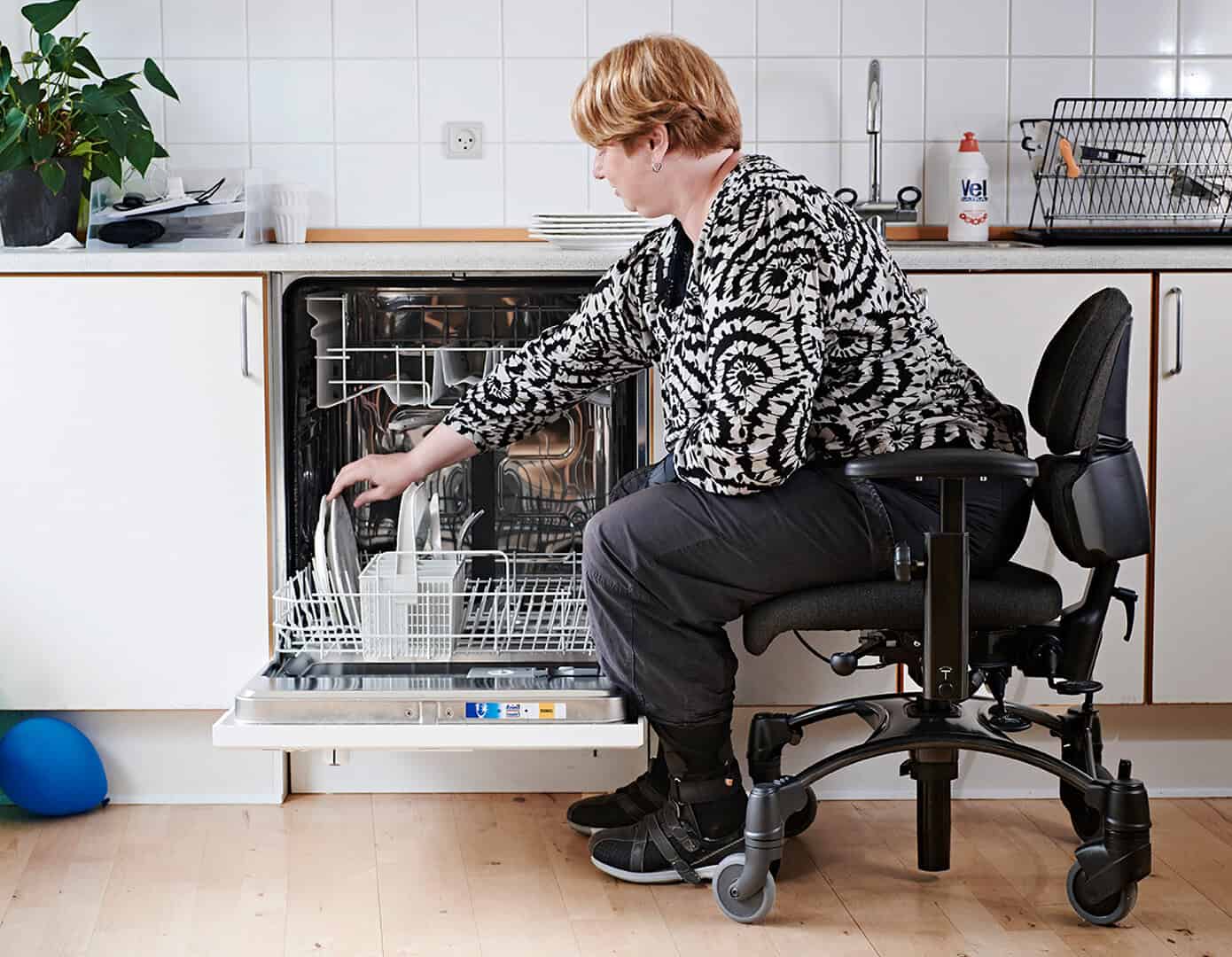
The VELA Chair offers an innovative solution for seniors who wish to maintain their independence at home longer, potentially delaying the need for nursing home care. With features like a central brake system for safety, electric height adjustability for easy transfers, and smooth mobility to facilitate activities such as cooking and cleaning, these chairs can significantly enhance daily living. By preserving energy and prioritizing safety, the VELA chair empowers seniors to engage more freely in everyday life, thus upholding dignity and reducing caregiver burden. While VELA is a proven option, it is part of a broader range of solutions available, ensuring seniors have the best conditions to age gracefully in place.
Moreover, integrating effective safety measures for elderly fall prevention could further enhance care environments, reducing risks faced by residents in facilities like the Moweaqua nursing home.
- Top Trends Shaping Skilled Nursing in 2026 (Skilled Nursing News, Jan 2026) — AI, smart assistive devices, staffing and regulatory trends (2026-01-18)
- CMS Repeals Minimum Staffing Requirements (AHA, Dec 2025) — Federal regulatory update (2025-12-02)
- HHS Repeals Federal Nursing Home Staffing Mandate (NACo) — Policy change in staffing regulations (2025-12-03)
- Federal Agencies Rescind Staffing Rule (Duane Morris, Dec 2025) — Regulatory shift, staffing flexibility (2025-12-05)
- FY 2026 SNF Prospective Payment System Final Rule (CMS, Jul 2025) — ICD-10 and rehab assessment rules (2025-07-31)
- Synchrony Home Health Care: The Future of Home Health Care — AI, smart devices, remote monitoring (2025-04-10)
- ButterflyMX Blog: Senior Living Technology Trends 2025 — AI, telehealth, wearable health devices (2025-07-11)
- HBRHC.com Blog: The Future of Senior Living — Smart homes, telemedicine, AI health monitoring (2025-01-13)
- Everything Medical Online: Latest Trends in Mobility Aid Technology — Smart wheelchairs, AI adaptation (2025-05-30)
- American Medical Association (AMA): Health Care Technology Trends 2025 — AI integration, wearables, remote patient monitoring (2024-12-13)
- McKnight’s Long-Term Care News: Technologies Helping Long-Term Care Providers in 2025 — AI adoption, smart sensors (2024-10-08)
- Lisclare, “Fall Prevention in Nursing Homes: Best Practices for 2025” — risk assessments, environment design, staff training
- UnitedHealthcare Community & State, “How enabling technology is transforming home-based care” — smart home devices and remote supports
- Shepherd Premier Senior Living, “Choosing the Right Healthcare & Rehab Center in 2025” — rehabilitation trends including telehealth and wellness design
- Lets Envision, “The Future of Assistive Technology & AI Assistants” — AI-powered assistants improving accessibility for people with disabilities
- Justice in Aging, “25 Common Nursing Home Problems & How to Resolve Them” — person-centered care and resident rights emphasis