

Updated January 2026: We have updated the article to reflect the most recent facility data for Nightingale Nursing and Rehab Center, including current occupancy rates, staffing information, inspection findings, and service offerings as of January 2026.
Nightingale Nursing Home: A Legacy of Modern Care
In the realm of elder care, Nightingale Nursing Home stands as a beacon of excellence, rooted in the enduring principles established by Florence Nightingale. By prioritizing patient-centered care and compassion, Nightingale Nursing Home has secured its reputation as a trusted facility in Erie, Pennsylvania. According to Medicare.gov, Nightingale is a for-profit establishment with an 81% occupancy rate and a nurse staffing average of 3.85 hours per resident per day, slightly below the state average of 3.9. Additionally, ProPublica’s Nursing Home Projects report a higher-than-average nurse turnover rate of 62.9%.
The Nightingale Nursing Home Legacy: From Florence to Modern Care
Florence Nightingale’s contributions to nursing are timeless, transcending her historical era to influence modern nursing care practices, including those at Nightingale Nursing and Rehab Center. Nightingale revolutionized the profession with her focus on cleanliness, compassion, and establishing a trustworthy rapport with patients—principles vividly outlined in her seminal book, “Notes on Nursing” (1860). These foundational philosophies continue to underscore the care provided at Nightingale Nursing Home today PubMed Central.
Nightingale Nursing and Rehab Center: Comprehensive Facility Analysis
Operated by Erie SNF Operations Holdings LLC, Nightingale Nursing and Rehab Center is nestled in the welcoming city of Erie, Pennsylvania. Despite its higher nurse turnover rate compared to the state average, Nightingale remains committed to addressing the diverse care needs of its residents. The ownership structure as a for-profit entity may impact resource allocation, influencing staff retention and ultimately the continuity of care provided Medicare.gov, ProPublica Nursing Home Projects. In 2025, Nightingale has expanded its commitment by integrating advanced assistive technologies, including AI-driven adaptive devices and smart home systems, aimed at supporting independence and safety for residents with reduced mobility and cognitive challenges Assisted Living Magazine, Nightingale Nursing News. The facility has also adopted innovations in remote patient monitoring and wearable assistive devices that track mobility and safety metrics in real time, contributing to better individual care planning and reducing fall risks Nightingale Nursing News, Nightingale News & Press. Significant modifications to resident rooms and therapy environments include the use of ergonomic, customizable furniture and modular design features, following best practice guidelines to reduce pressure ulcers and improve resident comfort Meyland-Smith.com.
The Resident Experience at Nightingale Facilities
Residents at Nightingale Nursing Home benefit from a lifestyle enriched by personalized activities, nutritional support tailored to individual health requirements, and a robust community atmosphere. First-hand accounts on Caring.com reveal a well-maintained environment with attentive staff. However, some residents have noted areas for improvement, such as longer response times to nurse calls and communication lapses between departments. In response, Nightingale has implemented digital rehabilitation platforms with wearable sensor monitoring and telehealth systems, enabling real-time tracking of resident progress and more efficient care coordination Nightingale Nursing News. Individualized therapeutic interventions now include multimodal physical therapy integrated with these advanced assistive technologies, supporting faster recovery, functional independence, and holistic wellbeing, especially in memory care units Nightingale Official Site, Meyland-Smith.com.
Evaluating Nightingale Against Industry Standards
When evaluating Nightingale Nursing Home, it’s essential to compare its metrics against industry standards. Resident satisfaction scores generally indicate strong performance in activities and staff friendliness. However, opportunities for improvement exist in aspects like nurse call responsiveness and food quality. According to ProPublica Nursing Home Projects, Nightingale’s performance is largely consistent with peer facilities but highlights potential areas of growth to elevate care quality further. Notably, Nightingale now demonstrates compliance with new federal regulations enacted in mid-2025, which encourage clearer protocols for technology integration, ongoing staff training requirements, person-centered care models, infection control, advanced fall prevention technologies, and expanded accessibility standards for digital devices, as well as enhanced data privacy practices Medicare.gov, ProPublica Nursing Home Database, Meyland-Smith.com. Increased financial reimbursements support Nightingale’s adoption of these advanced technologies, benefiting both residents and care staff Nightingale Nursing News.
Bridging the Gap to Independence
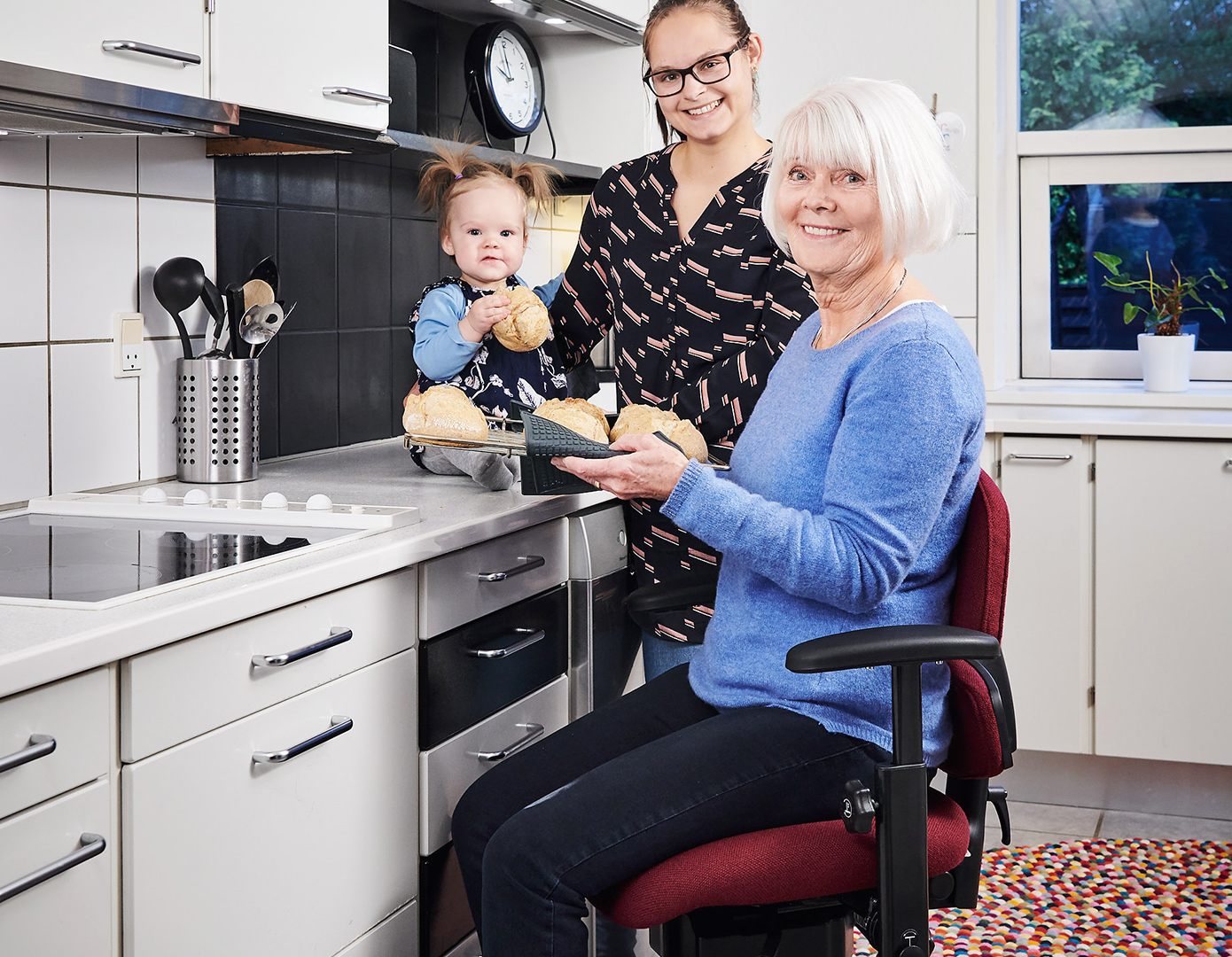
Addressing the challenges faced by nursing homes involves exploring alternatives that help older adults remain independent within their own homes. Among these solutions is the integration of VELA medically approved mobility chairs. Designed for home use, VELA chairs improve safety and freedom of movement while seated, allowing seniors to accomplish daily activities such as cooking, dressing, and transferring more efficiently. They reduce dependency on caregivers, offering both physical and mental relief for families and enabling older adults to regain autonomy in their daily lives. For additional insights, explore Preventing Falls in Nursing Homes.
Exploring Alternatives to Nursing Homes
With mobility aids like the VELA Chair, individuals can maintain independence at home and possibly delay the need for nursing home care. These chairs provide enhanced safety and ease through features such as a central brake, electric height adjustability, and seamless movement while seated. Such advantages can transform everyday tasks—cooking, cleaning, or relaxing—into manageable activities, preserving dignity and energy. While the VELA Chair is a proven option contributing to fall prevention and caregiver burden reduction, it represents just one of many solutions designed to support aging in place. Each choice should align with individual preferences and living situations, ensuring a balanced approach to elder care.
Assisted Living Magazine
Nightingale Official Site
Nightingale Nursing News
Nightingale News & Press
Meyland-Smith.com