

Updated February 2026: We have updated the article with the latest research on AI-powered predictive health monitoring, advanced fall detection systems, robotic assistance, new regulatory changes affecting nursing home quality ratings and staffing standards, and emerging trends in dementia care and hybrid care models.
Understanding Nursing Homes in Nowata, Oklahoma
In the small, close-knit community of Nowata, Oklahoma, the need for quality nursing home care is a significant concern for families and the community. With an aging population typical of many rural Midwest areas, the demand for senior living and long-term care services is escalating. The Nowata Nursing Center plays a critical role in meeting these needs, despite its modest rating of 2 out of 5, according to Medicare.gov. Its average occupancy ranges from 26.6 to 34 residents out of 65 beds, reflecting both current utilization and potential demand. Staffing levels slightly trail the state average, with 3.6 nurse hours per resident compared to Oklahoma’s average of 3.8 hours, according to the ProPublica Nursing Home Database.
Overview of Nursing Homes in Nowata, Oklahoma
Understanding the landscape of nursing homes in Nowata necessitates an examination of local demographics that drive the demand for such facilities. According to the Oklahoma State Department of Health, these facilities are subject to strict health regulation standards, ensuring compliance with quality and safety guidelines. The presence of facilities like Nowata Nursing Center underscores the community’s reliance on institutional care to support its aging population. Despite mixed ratings on various platforms, the center has been recognized by Elder Guide for its efforts in providing care, earning an overall grade of “B.”
Comparing the Top Nursing Home Facilities in Nowata County
Two notable facilities in Nowata County are the Nowata Nursing Center and the Osage Nursing Home. An analysis reveals distinct differences between them. According to the ProPublica Nursing Home Database, Nowata Nursing Center, a for-profit organization, averages 34 residents daily, whereas the Osage Nursing Home is rated higher at 4 stars by Medicare. This disparity in ratings highlights the importance of considering multiple sources and user reviews when evaluating potential nursing home options, as suggested by North Tulsa Today.
Costs, Ratings, and Services: What Families Need to Know
Cost and availability are vital factors for families considering nursing homes. In Nowata, families should anticipate costs aligning closely with the Oklahoma state average of approximately $189.96 per day, translating to around $5,700–$5,800 monthly. The Nowata Nursing Center accepts both Medicare and Medicaid, which provides crucial support for residents and their families. Services include a resident council, but there is no family council option, highlighting areas where family involvement could be improved. According to Elder Guide, the center’s estimated occupancy of 40.92% suggests potential availability, which might be beneficial for families seeking immediate placement.
Common Questions About Nursing Homes in Nowata
Families often have numerous questions when selecting a nursing home in Nowata. Common inquiries involve the number of facilities, costs, services provided, and other care options. According to the Senior Service Directory, many seek advice on choosing the best-rated nursing homes and understanding the services they offer. Additionally, alternatives to traditional nursing home care, such as home-based solutions, are increasingly sought after as families explore diverse eldercare options.
Recent advances in assistive technology are influencing the quality and scope of care available in nursing homes. AI-powered predictive health monitoring using smart devices such as diagnostic toilet seats and continuous body scanning systems now detects health changes before they become critical, allowing for proactive intervention and personalized care plans.[2]; [8]; [7] Fall detection systems have advanced beyond alert pendants, now featuring AI-powered floor sensors and clinical-grade wearable devices that can differentiate between falls and normal movement, sending automatic emergency alerts as needed.[2]; [1] Robotic assistance is increasingly used for mobility, medication delivery, and social engagement, helping address staffing shortages and support personalized care.[2]
Clinical-grade wearables now provide preventive care by monitoring heart rhythm, oxygen saturation, and fall impacts, extending beyond fitness tracking to deliver extra layers of safety in nursing home environments.[2] Voice-activated AI devices enable medication reminders and emergency alerts with no manual input required, supporting independence for residents.[2]
The regulatory and staffing landscape has also shifted. Updates from the Centers for Medicare & Medicaid Services (CMS) introduced new quality rating methodologies for nursing homes in mid and late 2025. Some states, such as Virginia and Massachusetts, now require ownership disclosure for facilities, improving transparency about operators’ backgrounds.[2] Federal minimum staffing standards have changed, with certain states implementing their own higher benchmarks, such as a proposed 3.25 nurse hours per resident day in Virginia.[2] Payment rules and patient assessment requirements are also being updated, impacting facility administration and care delivery.
Trends in care delivery place new emphasis on dementia and Alzheimer’s care training due to increasing demand. Hybrid care models are emerging, combining on-site support with virtual consultations and AI-supported clinical guidance for both residents and home care recipients.[3] Upskilling for caregivers is now a priority, as high turnover rates can significantly impact quality and operational costs.[3]
In addition, telehealth and remote health monitoring have become standard, providing continuous tracking of vital signs and enabling virtual medical consultations. This reduces the necessity for hospital visits and enhances timely care.[3] Inclusive design and accessibility standards, as highlighted by regulatory and health organizations, are now more rigorously implemented, ensuring that emerging technologies and facility upgrades meet the evolving needs of residents.[8]; [5]
These innovations also support caregivers by streamlining daily tasks, improving communication, and addressing workforce shortages—allowing for a more person-centered, technology-enabled approach to care.[6]; [7]
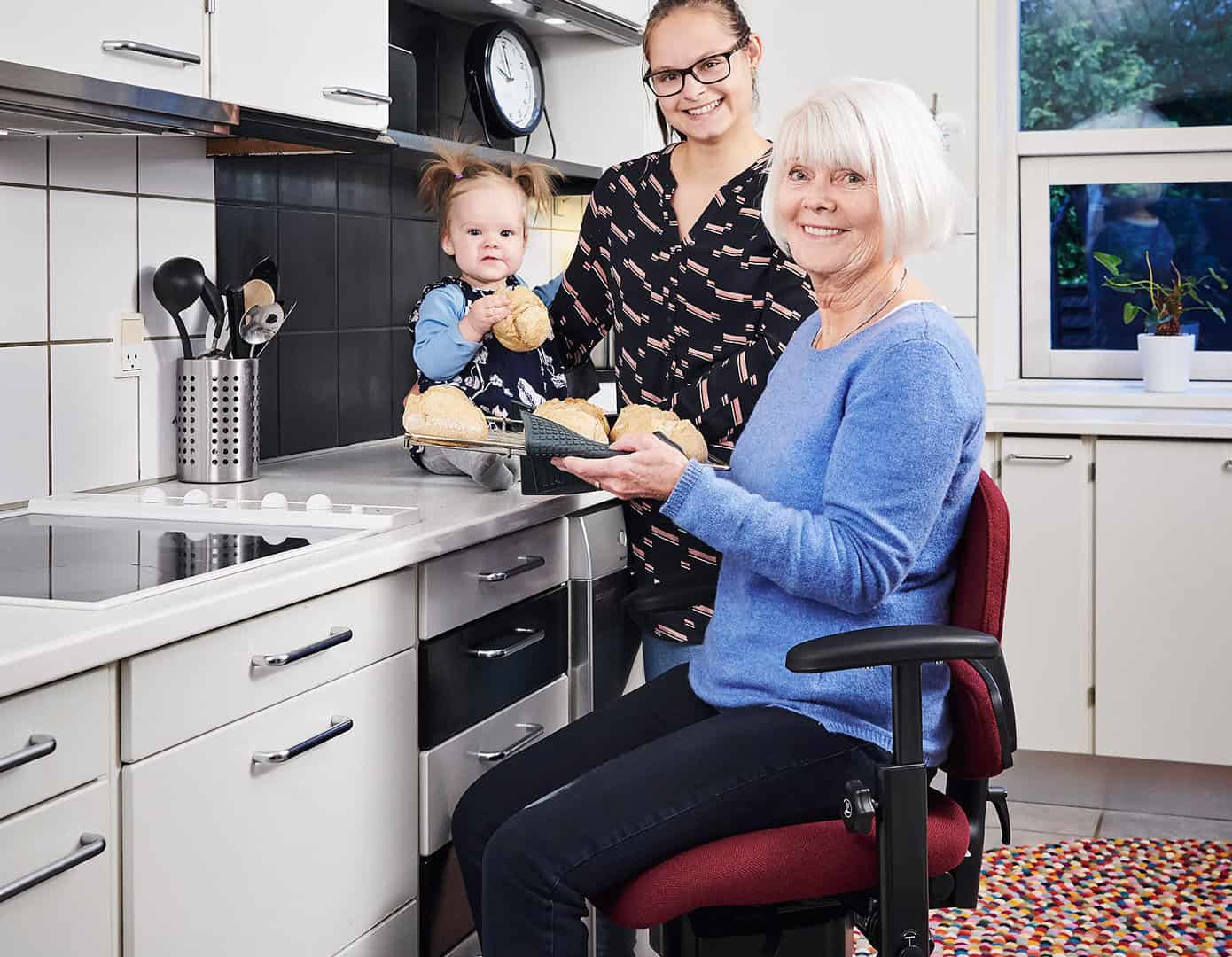
For those seeking care at home, innovative solutions continue to play a vital role. VELA’s medically approved mobility chairs support at-home living by enhancing safety and freedom of movement, allowing older adults to perform daily activities like cooking or dressing with greater ease. This ensures not only reduced reliance on nursing homes but also lessens the caregiving burden for families.
Exploring Alternatives to Nursing Homes
For seniors endeavoring to stay within the comfort of their own homes, the VELA Independence Chair offers a promising alternative. Unlike the structured environment of nursing homes, VELA chairs enable individuals to retain their autonomy and perform everyday tasks more safely and independently. Key features like a central brake system provide stability, significantly lowering fall risks that worry many elderly individuals and their families. Moreover, the chair’s electric height adjustability allows users to safely reach high shelves or low cabinets, accommodating a wide range of activities from cooking to personal grooming with minimal assistance.
Imagine a day with the chair: preparing a meal becomes less daunting as the chair’s maneuverability allows access to different kitchen areas effortlessly. Without it, similar activities might pose significant risk or require considerable energy, emphasizing the contrast in lifestyle quality. Although VELA chairs alone cannot replace all aspects of traditional care, they extend the period of independence, offering a blend of dignity, security, and energy-saving benefits. This makes them an effective option among nursing home mobility solutions, providing not just practical aid, but a reassurance of continued home living.
References
- Synchrony Health: The Future of Home Health Care Trends in 2025 [1]
- ButterflyMX: Senior Living Technology Trends 2025 [2]
- Harvard Business Review Healthcare: The Future of Senior Living Trends to Watch in 2025 [3]
- Everything Medical Online: Mobility Aid Technology Trends 2025 [4]
- UnitedHealthcare Community & State: Enabling Technology Transforming Home-Based Care [5]
- Envision: Future of Assistive Technology & AI Assistants in 2025 [6]
- McKnight’s Long-Term Care News: Expert Views on Technologies Aiding Long-Term Care Providers 2025+ [7]
- World Health Organization: Assistive Technology Fact Sheet [8]