

Updated January 2026: We have updated the article to reflect 2026 senior living trends, highlighting AI-driven personalized engagement, holistic wellness models, and the integration of new technology in activity programming. No major regulatory or clinical updates have been published since May 2025, but current best practices emphasize anticipatory, data-informed approaches and interdisciplinary collaboration for resident well-being.
What Is a Nursing Home Activity Director?
A nursing home activity director is an integral professional within senior care facilities, entrusted with the design and management of programs that significantly enrich the residents’ lives. According to Centers for Medicare & Medicaid Services, these directors develop, implement, and evaluate activity schedules that are tailored to meet each resident’s unique needs. The role extends beyond merely organizing events; it is about ensuring that the facility adheres to both federal and state regulations, thereby fostering a vibrant and safe environment.
Activity directors are required to plan and innovate continually, tailoring activities to accommodate varying physical and cognitive capabilities. For instance, they might organize art therapy sessions to enhance cognitive function or meditation classes to promote emotional well-being. According to the Indeed Career Guide, these directors focus on creating a seamless strategy that enhances the quality of life for residents by selecting and implementing recreational and educational engagements thoughtfully.
Qualifications and Training Requirements
A career as a nursing home activity director mandates a combination of educational background and certification. Typically, prospective directors hold a degree in fields such as recreational therapy, gerontology, or healthcare management, as highlighted by Maryville University. Certifications from the National Certification Council for Activity Professionals (NCCAP) are highly recommended to affirm expertise and a dedication to maintaining high standards of care, thus reassuring families of the consistent quality in care provision.
In addition to formal education, successful activity directors must possess key soft skills, including empathy, effective communication, and adaptability. These skills are crucial when addressing the wide array of preferences and needs presented by the residents (CMS Compliance Group). For example, an activity director might need to adjust a group exercise routine on-the-fly based on the day’s participants’ mobility levels.
Key Roles and Responsibilities of an Activity Director
The daily responsibilities of a nursing home activity director include a diverse range of tasks. From conducting initial assessments and planning personalized activities to implementing and evaluating the effectiveness of these programs, the director’s work directly influences the residents’ well-being. A crucial part of the role involves monitoring resident responses and tweaking activities as necessary to ensure each individual remains engaged and satisfied, according to the Indeed Career Guide.
Further, directors serve as a bridge connecting residents, staff, and occasionally families, ensuring holistic and coordinated care is provided. They are responsible for procuring necessary materials and resources, facilitating sessions that encourage mental stimulation and physical activity. In line with 2026 trends, there is a growing emphasis on integrating AI-driven personalized engagement and proactive, data-informed programming strategies [3] [7]. Directors are also adopting holistic wellness models as essential components of activity planning, with interdisciplinary collaboration to meet the complex behavioral and physical needs of residents [5].
The Impact of Activities on Resident Well-Being
Activities are pivotal in enhancing the residents’ well-being, offering not only entertainment but also therapeutic benefits. Individual and group activities can significantly boost cognitive abilities, promote social interaction, and alleviate loneliness. According to Learn.org, successful programs are those that consider the residents’ past experiences and preferences, creating personal connections and tailored experiences.
Career Outlook and Salary Expectations
The career outlook for nursing home activity directors is robust, reflecting an increasing demand for adept professionals in elder care. As noted by the U.S. Bureau of Labor Statistics via Learn.org, activity directors earn a median salary of around $29,730, with room for financial and professional growth as the elderly demographic expands. With a projected growth rate of 16% from 2020 to 2030, this role guarantees stability and advancement opportunities.
In summary, nursing home activity directors hold a pivotal role in improving residents’ lives through comprehensive, compliant activity programs. While they face daily challenges, they also have numerous opportunities to innovate and make significant impacts. Highlighting adaptive solutions like VELA chairs underscores their creativity and commitment to maintaining dynamic, engaging, and dignified living environments for residents. There is a continuing emphasis on integrating assistive technology and evolving ergonomic solutions to further improve participation and resident satisfaction. The latest trends underscore how anticipatory programming, digital engagement, and inclusive adaptations now form the foundation of activities in senior care settings [2].
Supporting Aging in Place: A Practical Option
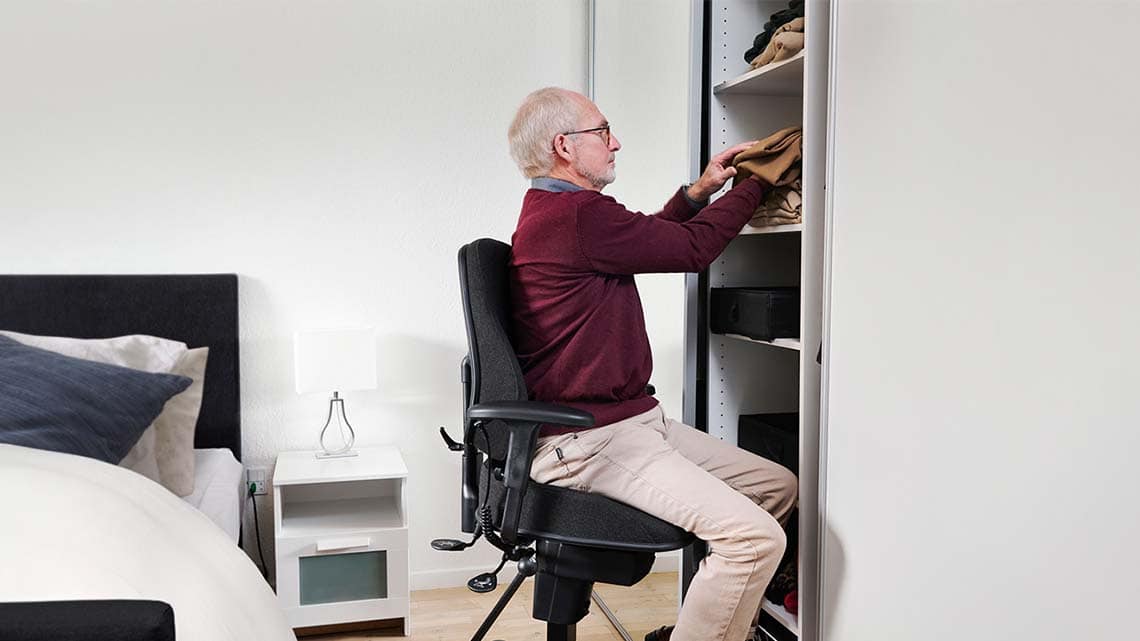
In the journey of aging, the desire to maintain independence is universal. Mobility solutions like VELA Chairs offer practical methods to stay in the comfort of home longer. With features designed to enhance daily life, they empower users by addressing safety, energy efficiency, and ease of movement, which are critical in delaying the need for nursing home care. The chair’s central brake ensures security, while its electric height adjustability allows for effortless transitions. Imagine the ease of preparing food, managing household tasks, or simply relaxing, all while maintaining dignity and independence. For caregivers, these solutions lighten the burden, allowing them more flexibility and peace of mind. While VELA is not the only aid available, its proven effectiveness in supporting independent living makes it a worthwhile consideration.