

Updated September 2025: We have updated the article with new findings on AI integration, digital technology trends, recent Medicare policy changes, innovations in assistive devices, and emerging models of nursing home care. The content now reflects barriers to technology adoption, updated payment information, and new options supporting independence and flexible senior living.
Understanding the Nursing Home Application Process
The nursing home application process is crucial for families seeking long-term care solutions for their loved ones. With a notable 4.2% increase in Medicare payments to skilled nursing facilities, as reported by the Centers for Medicare & Medicaid Services and ACPlus, the financial implications and demand for nursing homes are clear. Navigating this process requires knowledge and preparation, not only to ensure a smooth transition but also to make informed decisions regarding care needs and costs. Recent advances highlight the increasing role of digital technology and artificial intelligence (AI) in streamlining administrative processes and supporting staff, although the importance of human interaction in care settings remains central Skilled Nursing News.
Understanding Nursing Home Admissions: Key Insights for Families
Nursing homes vary significantly in terms of the types of care they provide, ranging from assisted living facilities to skilled nursing care. According to A Place for Mom, understanding these distinctions is crucial when deciding if and when nursing home placement is appropriate. Initial steps typically involve consultations with healthcare providers to assess medical needs and care levels.
Healthcare professionals emphasize assessing the individual’s ability to perform daily activities as a key indicator. For example, if managing medication or personal hygiene becomes unsafe at home, it may signal the need for a higher level of care found in nursing homes.
According to personal accounts, families often report that moving a loved one into a nursing home becomes necessary when daily self-care or memory issues pose risks to their well-being or safety at home. Recent demographic changes, particularly the increasing numbers of Baby Boomers and solo agers, are leading to greater demand for adaptable and inclusive senior living environments that offer flexibility and a supportive community infrastructure Align Senior Care FirstLight Home Care.
Preparing Your Paperwork: What You Need for a Successful Application
The application process for nursing homes is comprehensive and requires careful organization of documents. Necessary paperwork includes medical documentation like physician’s orders and a detailed medication list. Financial information, such as income statements and insurance details, plays a critical role. According to Benedictine Living Community, essential legal documents like power of attorney and advance directives are critical to support decision-making processes for the resident’s care. Due to regulatory reforms in 2025, the Centers for Medicare & Medicaid Services are also simplifying prior authorization processes, reducing admission denials and improving access to nursing home care ACPlus.
- Medical documentation
- Income statements
- Insurance details
- Legal documents such as power of attorney and advance directives
Creating a checklist helps ensure that no vital piece of information is overlooked, smoothing the process and reducing application delays. Industry experts consistently stress the importance of preparing these documents ahead of time, especially when family dynamics require a legal representative to act on behalf of the prospective resident.
From Screening to Transition: Mastering the Admission Process
Navigating the nursing home admission process involves several steps, including pre-admission assessments mandated by Medicaid, known as PASRR. These screenings ascertain the prospective resident’s need for specialized services. According to the Department of Public Social Services (DPSS), fulfilling PASRR and other federal and state screening requirements is essential before nursing home admission. With the adoption of AI and digital platforms in nursing homes, administrative tasks and care coordination are increasingly supported by technology, which can improve the efficiency and accuracy of these processes Skilled Nursing News CLAconnect.
Once paperwork is completed, families can expect to engage in a transitional phase. This involves coordinating with nursing home staff to plan a move-in date and settle family members into their new living arrangements smoothly. Common scenarios include acclimating a new resident to their environment, personalizing their space with familiar items, and establishing routines that emphasize their preferences and comfort.
Understanding Costs: Financing Nursing Home Care
Financing nursing home care requires understanding various payment options, including Medicare, Medicaid, and private insurance plans. The Centers for Medicare & Medicaid Services and ACPlus provide a comprehensive overview of recent policy changes and the financial impact of the 2025 Medicare payment increase for skilled nursing facilities. Private pay options and proactive financial planning are crucial, as nursing homes can be costly.
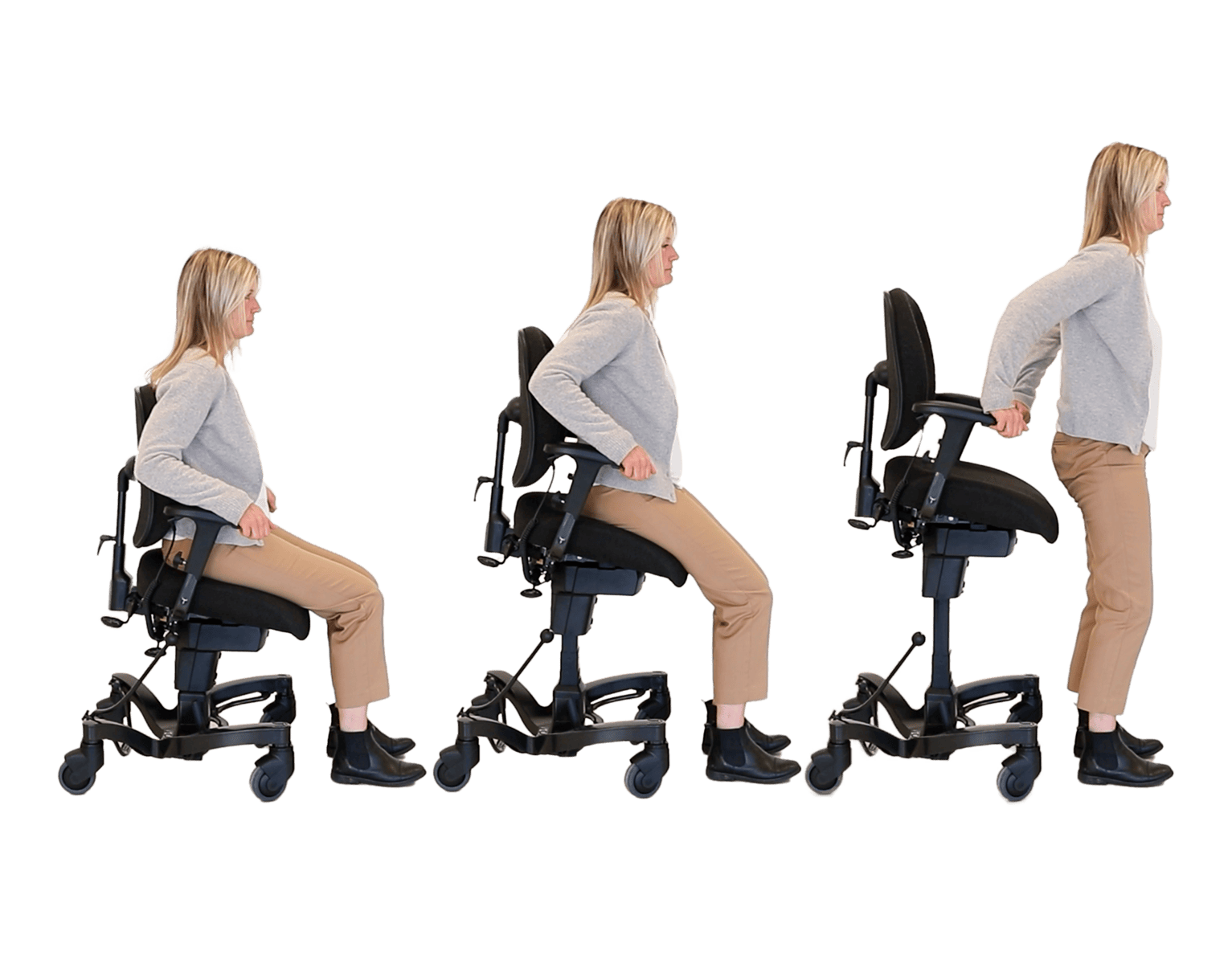
While considering the costs of nursing home care, many families explore alternatives that allow seniors to remain at home with proper support. Mobility solutions like VELA chairs can promote independence and potentially delay institutional care by offering fall prevention and improved mobility at home. Advances in assistive technologies, such as AI-driven health monitoring devices and robotics, are emerging to further support mobility and cognitive health, enhancing independence for residents and those aging in place MindBowser CLAconnect.
The VELA Independence Chair is one option in this category, offering a medically approved mobility solution designed for home use. The chair enhances safety and freedom of movement while seated, supporting daily activities like cooking, dressing, or transferring. It provides an environment where older adults can maintain their independence and reduces the load on informal caregivers, potentially delaying the need for more intensive care environments.
Handling Urgent Situations: Emergency Admissions and State Requirements
Sometimes, a quick transition to nursing home care is necessary due to unforeseen circumstances. Emergency admissions, as explained by A Place for Mom, require specific expedited procedures that can vary by state. Knowing the state-specific requirements can help families navigate these urgent scenarios effectively.
It is also important to consider whether the placement is temporary, for rehabilitation, or permanent, which will influence the choice of facility and the type of care needed. Innovations in smart home technology, increased emphasis on flexible and affordable care models, and broader adoption of technology-supported wellness practices offer additional pathways for both short- and long-term care needs Align Senior Care.
In summary, the nursing home application process demands thorough preparation and a comprehensive understanding of both documentation and financial planning. Recent changes such as regulatory updates, Medicare payment adjustments, and improvements in digital technology have shaped application and care processes. Acknowledging the importance of nursing homes for specific care needs is essential, but exploring alternatives like VELA chairs and AI-assisted devices can also offer valuable, less institutional options. Always weigh the possibilities carefully, aligning the decision with the well-being and preferences of your loved ones. Be aware that while technology is advancing rapidly, there are still barriers to adoption such as data standardization, interoperability, cybersecurity, and funding, making the selection of solutions an important part of the planning process Argentum Senior Housing News.
Supporting Aging in Place: A Practical Option
Supporting seniors to continue living independently in their homes requires practical solutions like the VELA Independence Chair. People using this chair benefit from features that address common aging-related challenges: a central brake system ensures safety, while electric height adjustability and ease of movement enhance user comfort and energy conservation during daily tasks. These attributes help mitigate fall risks and foster dignity by allowing seniors to engage in home activities like cooking and cleaning, potentially delaying the need for nursing home admission. Advances in AI-driven health monitoring and smart home solutions now complement such mobility aids, offering a more robust ecosystem for aging in place MindBowser. By integrating such innovative mobility solutions, families can reduce caregiver burden and promote a safer living environment fall prevention strategies for nursing homes. While VELA is a proven option, it’s essential to assess all available solutions best suited to the individual’s needs.