

Updated January 2026: We have updated the article to include information on Australia’s new Aged Care Act (effective November 2025), introducing rights-based care, the Support at Home program with eight classifications, and enhanced provider accountability. The article now covers advances in AI and IoT-enabled mobility aids, smart monitoring technologies, policy reforms in personalized assessments, new funding models, and upcoming regulatory standards for Brisbane nursing homes and at-home care.
Navigating Brisbane’s Aged Care Landscape
With Brisbane’s aging population, selecting the right nursing home has never been more pivotal. According to StewartBrown, via The Weekly Source, the aged care sector’s occupancy rate has reached 92.8%, indicating a growing demand for quality facilities in this vibrant city. Understanding the dynamics of the nursing home scene in Brisbane not only ensures peace of mind for families but also enhances the quality of life for seniors. This article provides a comprehensive guide to navigating residential aged care in Brisbane while incorporating tailored solutions like VELA chairs to support independent living.
Residential aged care in Brisbane is shaped by Queensland’s regulatory framework, ensuring facilities meet stringent operational standards. With the sector experiencing substantial growth driven by demographic trends, it’s crucial to understand the types of services offered in nursing homes, according to the Australian Department of Health and Aged Care. Brisbane’s aged care facilities provide a range of services—from personal care and medical support to recreational and social activities—catering to varying levels of need. For instance, many facilities are equipped with landscaped gardens, art and music therapy rooms, and communal dining areas fostering social interaction.
New in 2025, many facilities are integrating advanced AI-driven assistive technologies, including smart wheelchairs equipped with GPS, collision avoidance systems, health monitoring, and voice command controls. Smart home systems with voice-activated controls, automated lighting, and security support seniors’ independence by automating daily tasks and allowing for remote monitoring through real-time app connectivity. Recent trends highlight the adoption of AI/IoT-integrated mobility aids, such as smart walkers with fall detection, robotic exoskeletons, and adjustable ergonomic wheelchairs with vibration-dampening features. Wearables for real-time monitoring are now commonly used to boost independence and minimize falls, especially in nursing homes. Robotic companions, telemedicine, and hyper-personalized rehabilitation practices via AI analytics and remote monitoring are becoming routine, enhancing both residential safety and engagement. Assistive equipment is increasingly tailored to individual resident needs, supporting comfort, autonomy, and successful rehabilitation.12394
One Brisbane family’s recent experience highlights the importance of choosing a facility that aligns with their values and lifestyle. “The staff at Estia Health made the transition effortless for Dad,” shares Patricia, a local resident. Such testimonials underscore the importance of trusted care in maintaining quality of life. This testimonial reflects the benefit of facilities that emphasize personalized care and community integration.
Choosing the Right Nursing Home in Brisbane
Picking the right nursing home involves evaluating major providers such as Opal Health Care, BUPA, and Estia Health. These facilities are known for their high occupancy rates and quality standards, with tailored services designed to support wellbeing, as highlighted in The Weekly Source.
Facilities in 2025 are now focusing on an inclusive and ergonomic design approach, as well as integrating digital health platforms. AI-powered predictive analytics are being used to identify early signs of mobility decline and fall risk by monitoring resident movement and activity patterns. Data-driven routines allow care teams to adjust rehabilitation and provide technology-enabled, personalized therapies. The ongoing adoption of smart mobility aids and adaptive technology solutions makes daily living safer and more comfortable for residents. Smart mobility products now regularly feature AI and IoT capabilities, such as fall detection, automated adjustment for body ergonomics, and real-time health status reporting, supporting regulatory and best-practice directions in Australian care.129
Insights from current residents and their families emphasize facility ratings and quality standards as crucial factors. For example, Linda, whose mother resides at an Opal Health Care facility, elaborates, “The community engagement activities have brought Mum so much joy and companionship.” Linda’s account points to the variety of social programs that significantly enhance residents’ quality of life and emotional wellbeing. Many families also note increased confidence due to the integration of remote monitoring, real-time health data reporting, and predictive safety alerts, with telehealth and virtual healthcare now regular elements in care delivery.231011
Understanding Aged Care Costs in Brisbane
Navigating the costs associated with residential aged care is essential for families. While government subsidies ease financial burdens, it’s vital to grasp the full spectrum of expenses involved—from accommodation and care to additional services. According to The CareSide, COVID-19 has influenced cost structures, necessitating new safety measures that increase operational costs. Typically, fees can include daily care fees, extra service fees, and accommodation payments which vary based on the level of care required.
Australia’s aged care sector is undergoing significant regulatory reform in 2025 and 2026. The new Aged Care Act, in force from November 2025, introduces a rights-based care framework centered on resident advocacy, safe care, cultural safety, and supported decision-making. The Act enforces stronger provider accountability, streamlined provider assessment and a single assessment process. Under the new Support at Home program, home care funding now draws on eight personalized classifications (such as Classification 6 for nursing and mobility aids), replacing previous packages for mobility, clinical, and assistive needs. From July 2026, additional price caps and mandatory clinical reporting requirements further promote transparency and affordability for families. Changes to the funding model bring new lifetime caps, and expanded funding eligibility for mobility devices and assistive technology. Facilities now must deliver person-centered, safe care, ensure staff are trained in updated best practices, and remain accountable for ongoing quality improvements and compliance.4561213142461210
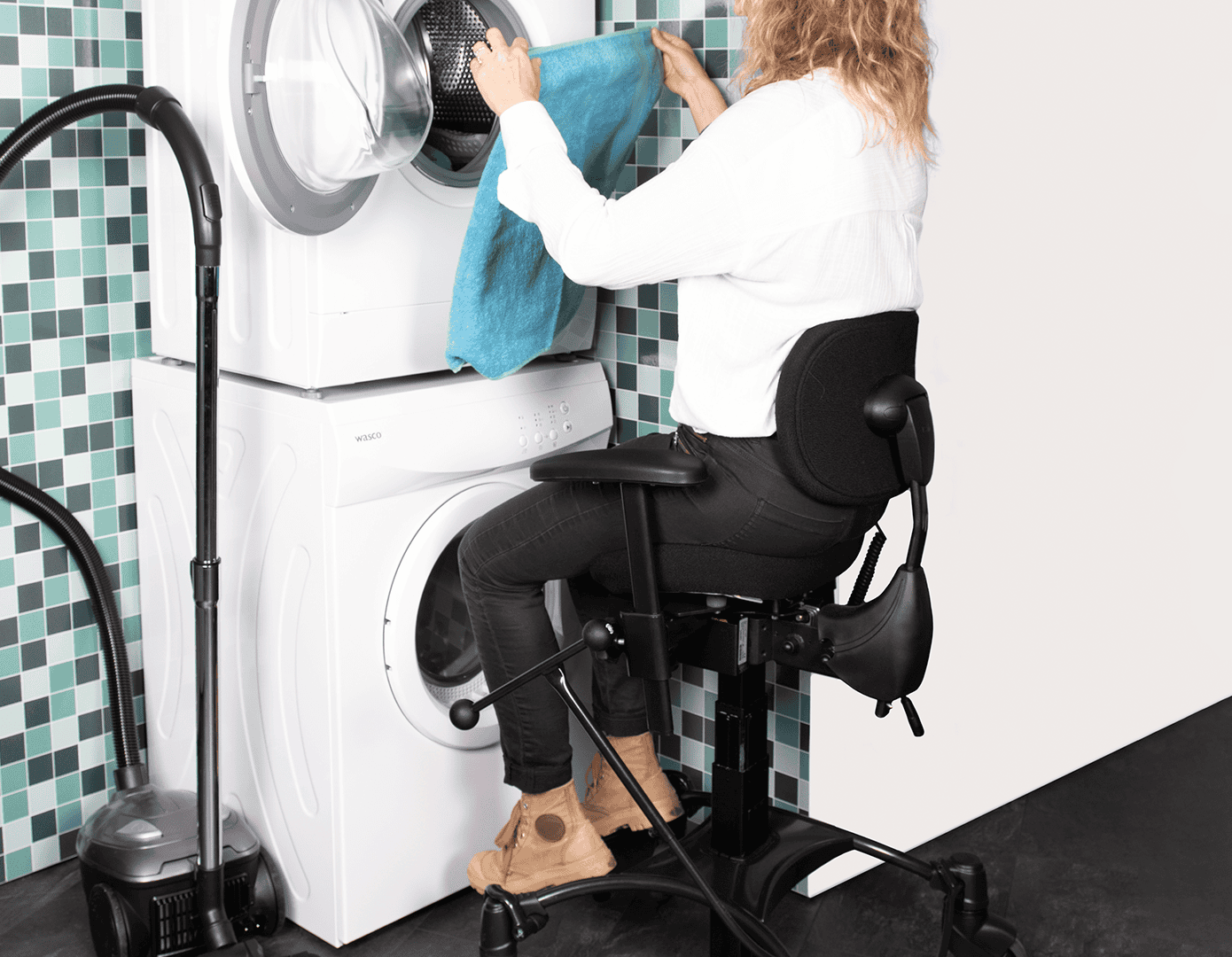
Faced with the complexities of nursing home care, it’s important to explore innovative solutions that enable older adults to maintain independence within their own homes. VELA chairs offer a medically approved option that supports aging in place, enhancing safety and providing freedom of movement while seated. These chairs are designed for home use, aiding with daily activities such as cooking, dressing, or transferring and helping to alleviate the demands on informal caregivers. Furthermore, such solutions may offer a cost-effective alternative to traditional residential care by promoting autonomy and dignity at home.10
Ensuring Safety: COVID-19 Measures in Brisbane Nursing Homes
According to the Australian Department of Health and Aged Care, safety has become paramount in the wake of COVID-19. Brisbane’s nursing homes have implemented robust protocols to manage outbreaks, prioritizing resident safety through innovative practices. Measures include strict hygiene practices, visitor restrictions, and regular health assessments, all contributing to secure environments. Practical scenarios include scheduled routine sanitization and technology-based contactless visitor check-ins, enhancing both safety and peace of mind for families.
In recent years, advanced health monitors, AI-powered fall detection systems, and contactless access have become common features in many facilities, working alongside traditional infection control efforts. These upgrades not only improve response times but also allow healthcare professionals to intervene proactively, further reinforcing a safe environment for all residents.2
Successful practices and resident feedback highlight the efficacy of these policies. “The proactive safety measures have made us feel secure and cared for,” states George, a resident of a local nursing facility. This underscores the priority given to resident safety and the adaptability of facilities during unprecedented times.
Supporting Aging in Place: A Practical Option
VELA Chairs can play a vital role in enabling seniors to remain independent at home longer. These chairs are equipped with features such as a central brake for stability, electric height adjustability for ease of transfers, and mobility aids that promote safe and effortless movement within the home environment. By addressing issues like fall prevention, they contribute to a safer and more efficient daily routine, potentially delaying the need for relocation to a nursing home. For instance, cooking, cleaning, or simply moving around the house becomes simpler, allowing individuals to conserve their energy and maintain their dignity and freedom. Although various solutions exist, VELA Chairs have proven to be a practical choice in enhancing the quality of life for the elderly. For more detailed insights, visit Mobility Solutions for Seniors or explore Fall Prevention Strategies.
In line with 2025 and 2026 trends, at-home care now routinely incorporates enabling technology such as remote monitoring, telemedicine consultations, wearable health tracking devices, and emerging robotic aids for social and cognitive support. The transition to Support at Home’s single assessment system makes access to personalized, classified mobility and assistive support easier and more equitable. Adoption of these technologies is facilitated by care teams providing access and training, further empowering families and caregivers with up-to-date health data, early risk warnings, and confidence to support aging in place.71194
Sources
- SynchronyFL: The Future of Home Health Care: Trends to Watch in 2025
- ButterflyMX: Senior Living Technology Trends 2025
- Heisinger Bluffs Realty: The Future of Senior Living: Trends to Watch in 2025
- AgedCareEssentials: Major reforms coming to the aged care industry in 2025
- Australian Government Aged Care Quality and Safety Commission: New Aged Care Act overview
- BSN Australia: Australia’s New Aged Care Standards 2025 Guide
- My Care Concierge: How Technology Will Transform Senior Care in 2025
- Aged Care Guide Australia: What’s changing in aged care in 2025?
- Everything Medical Online: The Latest Trends in Mobility Aid Technology for 2025
- UnitedHealthcare Community & State: How enabling technology is transforming home-based care
- Mindbowser: Elderly Care Technology: 6 Trends Shaping Home Health in 2025
- My Aged Care: Upcoming changes to aged care funding: how they affect you
- Older Persons Advocacy Network (OPAN): New Aged Care Act
- Aged Care Decisions: Support at Home Classifications 1-8 (from 1 November 2025)
- Australian Government Department of Health and Aged Care: New Aged Care Act (1 November 2025)
- Australian Government Department of Health: Aged Care Act Overview
- My Aged Care: Improving Australia’s Aged Care System (price caps from 1 July 2026)
- Aged Care Quality and Safety Commission: 2025-26 Regulatory Strategy