

Updated January 2026: We have updated the article with the latest advancements in AI-powered assistive technologies, new 2026 regulatory mandates impacting CNAs, expanded training requirements, integration of smart rehabilitation tools, and evidence of improved safety and autonomy through wearable and sensor-driven devices in nursing home care.
The Vital Role of Nursing Home CNAs
The role of a Certified Nursing Assistant (CNA) in nursing homes is pivotal to the quality of life and care residents receive. As the U.S. population ages, the demand for CNAs in skilled nursing facilities is projected to rise, partly due to an expected 4.2% increase in Medicare payments to these institutions by 2025. According to Centers for Medicare & Medicaid Services, this statistic underscores the essential contribution CNAs make to the healthcare system, where their presence is more necessary than ever.
What Do CNAs Do in Nursing Home Settings?
Certified Nursing Assistants in nursing homes undertake a variety of daily responsibilities crucial to resident welfare. They provide personalized care, including assistance with activities of daily living (ADL) such as bathing, dressing, and eating—core components of supporting residents’ dignity and independence. Unlike hospital settings, where CNAs largely support short-term care goals, nursing home CNAs focus on long-term care, helping residents maintain their quality of life over extended periods. This often involves specialized care tailored to geriatric needs, requiring a deep understanding of each resident’s history and preferences.
“Each resident is like family to me—I know their stories, their joys, and what lifts their spirits. It’s my job to make sure they feel at home.” – Linda, CNA
Such anecdotes highlight the intricate nature of the CNA role in these settings, where familiarity and routine play crucial roles in maintaining residents’ mental and emotional well-being. Recent developments have introduced advanced tools, such as AI-powered assistive devices and smart mobility aids, which enhance both autonomy and comfort for residents while also supporting CNAs in their daily work. Technologies like smart wheelchairs with GPS, health tracking, and collision avoidance, along with wearable health devices and remote patient monitoring, are beginning to play a key role in increasing safety and enabling more proactive care Everything Medical Online, SynchronyFL, AMA, Skilled Nursing News, AANP.
Integration of these technologies—including AI-driven smart walkers, wearable sensors, sensor-equipped grab bars, and connected rehabilitation tools—has shifted the CNA role from primarily reactive caregiving to a tech-enabled, proactive approach. With real-time fall detection, remote patient monitoring, and predictive AI analytics, CNAs are now more effective at reducing injuries such as falls and pressure ulcers and can better anticipate and respond to residents’ changing conditions Skilled Nursing News, AANP.
CNA Training and Certification for Nursing Home Work
Becoming a CNA in a nursing home setting involves meeting specific certification requirements that vary by state. According to National Council of State Boards of Nursing, standard training includes basic patient care skills, CPR, infection control protocols, and geriatric care techniques. CNA programs typically require 75 to 150 hours of training, followed by a competency exam.
As of 2026, new federal and state regulations mandate not just clinical competencies but also enhanced training on the use of AI-powered and sensor-equipped assistive tools, virtual rehabilitation platforms, and smart environment controls. Staff are now expected to demonstrate proficiency in leveraging these technologies for fall reduction, pressure ulcer prevention, and remote health monitoring, in line with updated requirements for injury prevention and value-based care models LifePoint Health, AANP.
The Impact of CNAs on Nursing Home Quality of Care
CNAs play a critical role in enhancing the overall quality of care in nursing homes. They build strong relationships with residents and their families, improving resident satisfaction and outcomes. These connections are integral, as noted in a testimonial from one resident’s daughter: “The compassion and patience shown by the CNAs here give me peace of mind that my mother is in caring hands.”
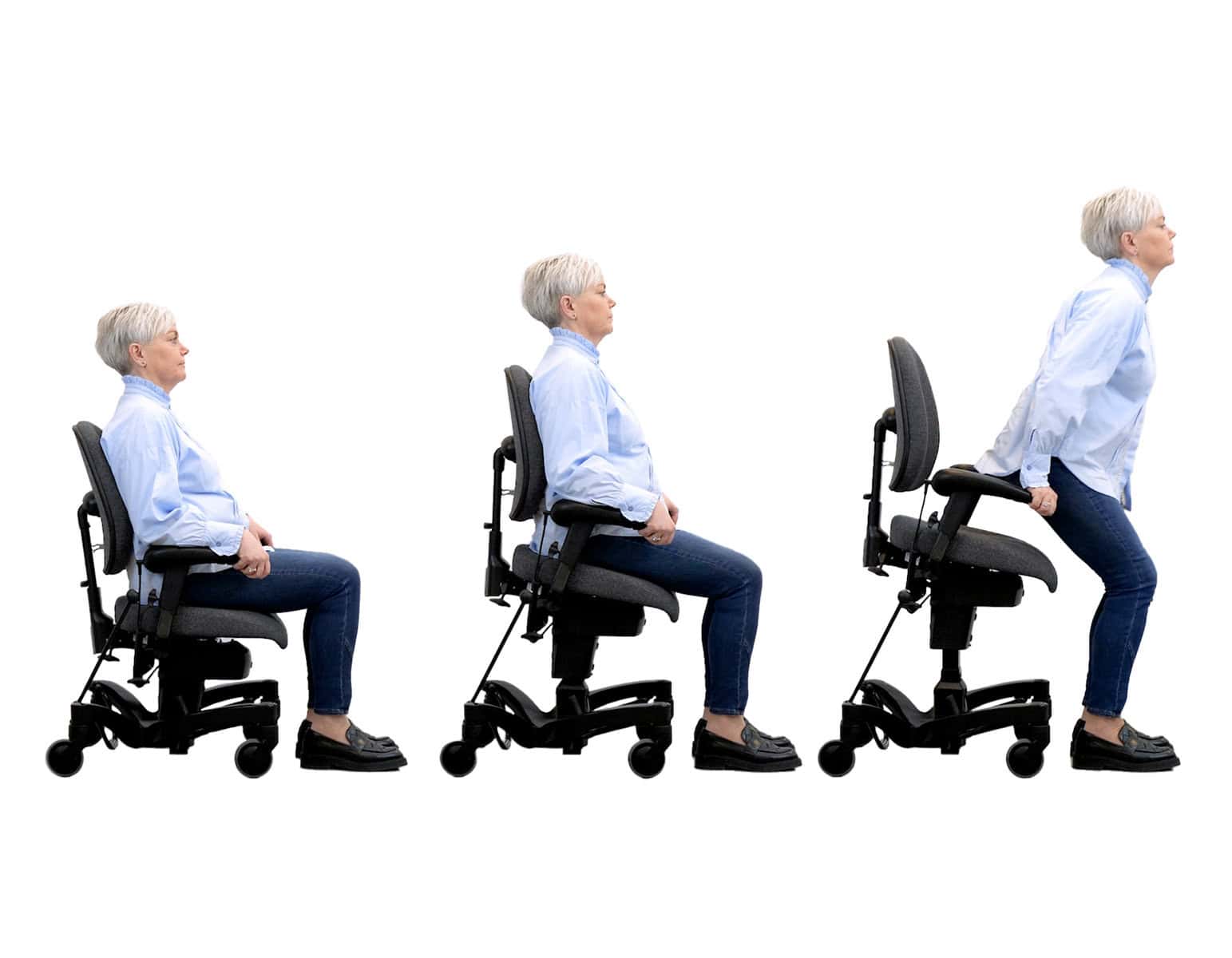
Incorporating innovative solutions like VELA chairs addresses some of the challenges CNAs face by providing aides that support mobility and independence, both crucial elements in preserving the dignity of older adults. The VELA Independence Chair, a medically approved mobility chair, exemplifies this approach by offering enhanced safety and freedom of movement while seated. By supporting daily activities like cooking, dressing, or transferring, it helps reduce physical strain on caregivers and aligns with fall prevention strategies in nursing homes.
Additionally, many nursing homes are adopting person-centered care models that offer residents greater autonomy in daily routines and decisions, improving both satisfaction and health outcomes Justice in Aging. There is increasing use of non-pharmacological behavioral management techniques—such as music therapy, tailored activities, exercise, and pet therapy—which complement or substitute medications in dementia care, supporting emotional and cognitive well-being Justice in Aging.
Rehabilitation in leading nursing homes has also advanced, with virtual or hybrid therapy models featuring AI motion tracking tools and robotic exoskeletons. This shift has resulted in significantly higher therapy volumes—up to 80% above national averages in top-rated facilities—and a 15-33% reduction in hospitalizations. CNAs are key partners in supporting these therapy programs, providing hands-on assistance along with new technology-enabled monitoring and reporting, which strengthen the outcomes for residents Skilled Nursing News, LifePoint Health, Elder Law Answers.
Challenges and Rewards of Working as a Nursing Home CNA
Working as a nursing home CNA comes with both challenges and rewards. The job is physically demanding, with CNAs often required to assist in multiple resident transfers each day—a task that can lead to physical strain over time. Additionally, CNAs often engage in frequent monitoring and communication tasks such as checking vital signs and providing emotional support, adding to their workload. However, the role’s emotional demands are equally significant, balancing the formation of meaningful relationships with the inevitable emotional stress of a caregiving profession.
Emerging support technologies, including wearable health devices, remote patient monitoring systems, and smart home technologies (such as voice assistants and automated safety features), are beginning to alleviate some daily burdens for CNAs. The introduction of AI-supported monitoring, sensor-equipped grab bars, adaptive flooring, and smart environmental controls alerts caregivers to early warning signs and streamlines care coordination, resulting in a measurable reduction in resident falls, pressure injuries, and other emergencies. Interoperable smart home tools also help CNAs collaborate more easily with family caregivers, strengthening continuity of care and inclusion Skilled Nursing News, AANP, LifePoint Health.
Despite these challenges, many CNAs find the work deeply rewarding. The opportunity to witness and contribute to improvements in residents’ lives provides a profound sense of fulfillment. Laura, a CNA for several years, shares, “Knowing that I make a difference in their day-to-day lives is incredibly fulfilling. These connections are worth every challenge.”
In summarizing the essential role of CNAs in nursing homes, it is clear they are integral to providing quality long-term care and fostering a nurturing environment. By leveraging tools like VELA chairs, the physical demands of their job can be mitigated, allowing CNAs to focus more on the personal connections that are so crucial to their work.
The landscape of nursing home care is continuously evolving, introducing innovations that complement traditional methods. Recent advances in ergonomic facility designs now emphasize natural light, green spaces, wellness-focused layouts, adaptive flooring, and smart technologies to reduce fall risk and support independence Shepherd Premier Senior Living, Skilled Nursing News. As the demand for CNAs continues to rise, their ability to adapt and embrace these new tools will shape the future of caregiving in nursing homes, ensuring that quality of life remains at the forefront of their mission.
It is also important to note that regulatory approaches are shifting, with new federal and state rules in 2026 mandating better staffing ratios, targeted risk-based surveys, and infrastructure upgrades to further strengthen resident safety and clinical outcomes. Emphasis on predictive analytics and early intervention is now central to oversight and value-based care in nursing homes CMS.gov, LifePoint Health.
Supporting Aging in Place: A Practical Option
For many seniors, the ability to remain in their own homes is a cherished goal. Mobility solutions such as the VELA Independence Chair can make a notable difference, enabling older adults to stay independent for longer periods. Features like a central brake for enhanced safety, electric height adjustability for easier transfers, and easy movement while seated provide significant support for daily activities. These conveniences help conserve energy and enhance personal safety, crucial for delaying the transition to a nursing home. With a VELA Chair, the everyday experience—whether preparing a meal or enjoying a quiet moment in the living room—is transformed into an opportunity for freedom, dignity, and more robust everyday living. While it’s one of many solutions, VELA stands out as a practical choice for those seeking to age gracefully and actively at home. Smart home technologies, wearable sensors, and remote health monitoring further empower aging in place by enabling proactive care, coordinating family and professional caregivers, and reducing risks SynchronyFL, UnitedHealthcare Community & State, Skilled Nursing News.
- SynchronyFL. “The Future of Home Health Care: Trends to Watch in 2025” (Apr 2025)
- Shepherd Premier Senior Living. “Choosing the Right Healthcare & Rehab Center in 2025” (Aug 2025)
- Everything Medical Online. “The Latest Trends in Mobility Aid Technology for 2025” (May 2025)
- Justice in Aging. “25 Common Nursing Home Problems—& How to Resolve Them” (Feb 2025)
- UnitedHealthcare Community & State. “How enabling technology is transforming home-based care” (Aug 2025)
- CMS.gov. “Nursing Homes – CMS updates on survey approaches” (Jul 2025)
- AMA. “Health care technology trends 2025: AI benefits, wearable use” (Dec 2024)
- Skilled Nursing News. “Top Trends That Will Shape the Skilled Nursing Sector in 2026” (Jan 2026)
- AANP. “Top Five Health Care Trends for 2026” (Jan 2026)
- LifePoint Health. “Shifting Post-Acute Landscape: Three Trends Every Hospital Leader Should Watch in 2026” (Jan 2026)
- Elder Law Answers. “2026 Best Nursing Homes” (Jan 2026)