

Updated January 2026: We have updated the article to include the latest 2026 trends in assistive technology adoption within Columbus nursing homes, such as AI-powered wearables for fall prevention, smart autonomous wheelchairs, VR therapy for cognitive care, AI-driven quality metrics, and new regulatory emphasis on real-time transparency. Emerging home-based and hybrid care models, as well as advances in personalized placement platforms, are also highlighted.
Exploring Nursing Home Choices in Columbus, GA
Navigating the choices for nursing homes in Columbus, GA, can be an overwhelming task, filled with emotional and financial considerations. When selecting a place for your loved ones, it’s crucial to consider the quality and range of care available. Columbus, the second-largest city in Georgia, offers a variety of facilities with diverse care options, making informed choices essential. In this article, we’ll explore these options and provide insights to help ensure the best care for your loved ones.
Overview of Nursing Homes in Columbus, GA
Columbus hosts a broad spectrum of nursing homes, each varying in quality and services. According to Medicare.gov, there are approximately 23 nursing facilities within a 50-mile radius. These facilities range widely in ratings, which is why understanding the star rating system is vital. About 17% have achieved five-star ratings, while 22% sit at just one star, as reported by the Butler Wooten & Peak LLP Nursing Home Ratings Report. Personal experiences shared by families underscore the importance of visiting and evaluating each facility individually.
In practical terms, the experience of a resident in a nursing home can vastly differ from one to another. For example, a resident living in a five-star facility like Spring Harbor at Green Island may have access to perpetual care options and a variety of social activities, enhancing their daily life quality.
Spotlight on Columbus’s Top Nursing Homes
Several facilities in Columbus distinguish themselves through excellent care and positive customer reviews. Magnolia Manor of Columbus Nursing Center and Spring Harbor at Green Island stand out as top-rated options. These facilities are praised for their comprehensive services and robust care programs. Spring Harbor at Green Island, for instance, offers “perpetual care” options, although these require significant financial commitments, reportedly starting at a $200,000 minimum buy-in (Caring.com). Testimonials on Caring.com commend the compassionate staff and active community life, giving prospective residents a glimpse into the environment.
Key Considerations When Choosing a Columbus Nursing Home
Understanding the factors that influence nursing home selection is essential. The Medicare star rating system evaluates health inspections, staff levels, and quality of care. As of 2025, the Centers for Medicare & Medicaid Services (CMS) have updated their nursing home rating methodology by considering only the two most recent health surveys to determine quality ratings. Additionally, CMS now provides aggregated chain-level quality ratings to enhance transparency and help consumers more accurately compare facilities (AHCANalysis, 2025). However, it’s important to delve beyond ratings by assessing factors such as staffing adequacy, the availability of specialized programs, facility cleanliness, and overall safety. Vigilance for red flags, including reports of abuse or neglect (documented in Centers for Medicare & Medicaid Services reports), remains crucial. First-hand experiences and expert advice underline the importance of visiting multiple facilities and conducting thorough interviews to grasp each home’s unique strengths and potential areas for improvement.
Advancements in Technology and Care Standards
Nursing homes in Columbus, GA, are rapidly advancing in the adoption of assistive technologies. In 2026, leading facilities are integrating AI-powered remote monitoring wearables to track residents’ vital signs and support fall prevention. Smart wheelchairs with autonomous navigation and obstacle-climbing capabilities, such as models from WheelMove and XSTO, and upgrades like LUCI, are increasingly used to boost mobility and independence for residents with disabilities (Mobility Management, 2026).
Virtual reality (VR) therapy is now an option in innovative memory care programs, showing promise for cognition support and reducing anxiety among residents with dementia (Ability MT, 2026). AI platforms monitor nursing home quality metrics—like infection rates and staff ratios—in real time, supporting regulatory transparency and giving families more immediate data on facility performance (LeadingAge, 2026; AANP, 2026).
Columbus nursing homes continue to employ fall detection systems and predictive analytics to help staff anticipate and respond quickly to resident needs. Smart home features, ranging from voice-activated controls to AI-based safety sensors, contribute to daily living support and promote independence, reflecting a wider shift toward tech-enhanced care. Clinical trials are advancing innovative options, such as brain-spinal cord bridges, offering hope for new levels of mobility for residents with paralysis (Ability MT, 2026).
Additionally, there is growing emphasis on hybrid models that blend traditional nursing home care with home-based support enabled by remote monitoring, and the use of AI-powered platforms for personalized facility placement decisions (LeadingAge, 2026). With these advancements, regulatory guidance now also focuses on data transparency, AI ethics in elder care, and the real-time publication of facility metrics.
Regulatory guidance from CMS was also revised in 2025 to clarify requirements in medical director responsibilities, admission and discharge processes, medication management, infection control, and quality assurance standards, raising expectations for care providers and ensuring continuous care improvement (Palmetto Medical News, 2024; Health Industry Washington Watch, 2025).
Policy and Funding Updates Affecting Columbus Nursing Homes
At the federal level, a moratorium on nursing home staffing mandates has been placed until at least 2035, which may influence facility staffing practices and care planning (Polaris Group, 2025). Adjustments to Medicaid funding are also under discussion and could impact access and affordability for long-term care, potentially affecting availability and service provision for residents and families in Columbus.
Navigating Costs and Exploring Alternatives to Nursing Homes
The financial burden of nursing homes is a considerable concern for many families. Costs can vary significantly, with facilities like Spring Harbor at Green Island requiring substantial buy-ins. Resources such as Caring.com provide comprehensive pricing information, while Medicare.gov offers insights into financial assistance, helping families navigate their financial planning.
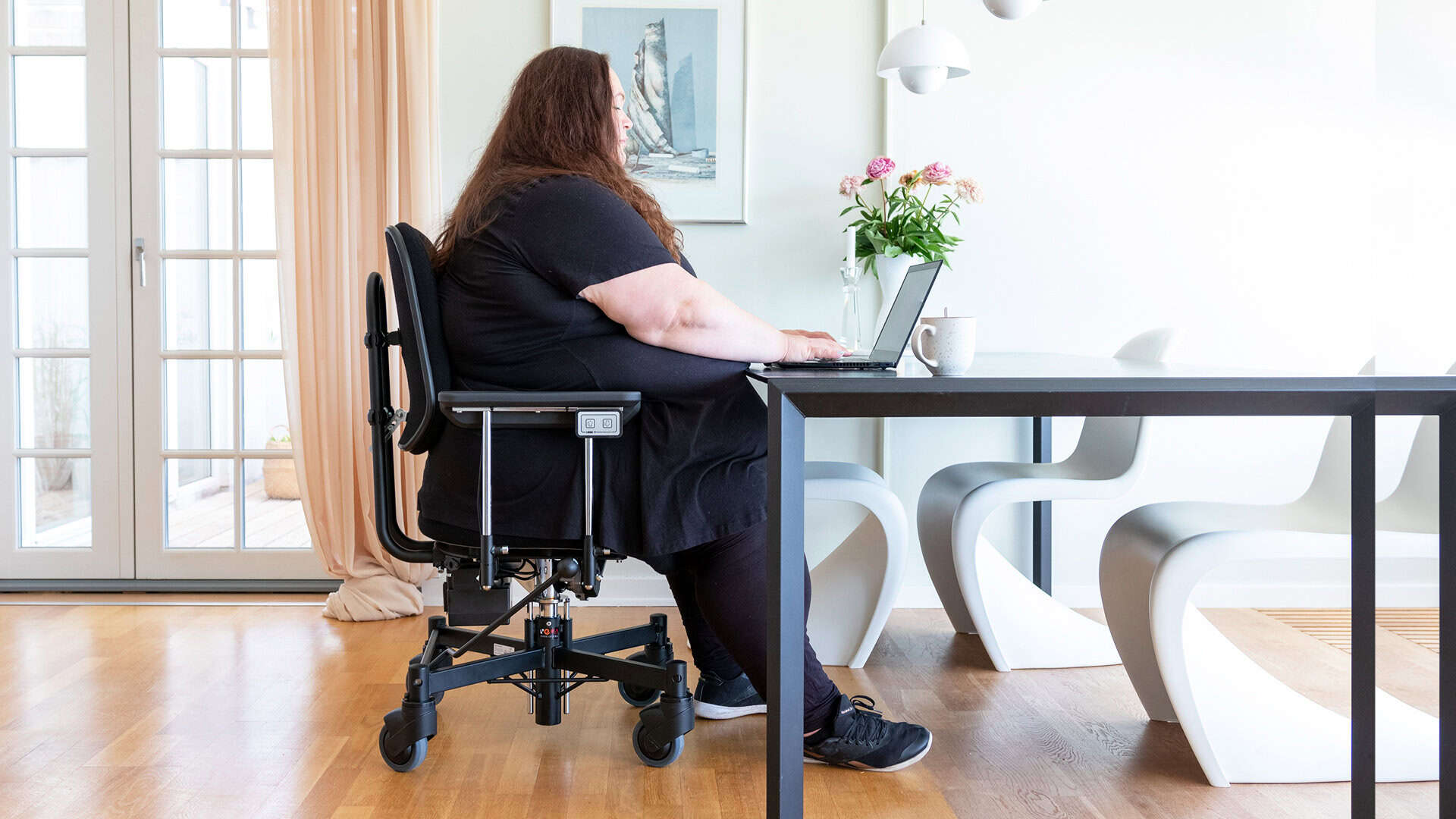
Supporting independence at home has become a viable alternative as families seek to balance care needs and independence. For those wishing to maintain autonomy, innovative solutions can make staying at home longer a practical option. VELA serves as an effective tool, a medically approved mobility chair designed to facilitate freedom of movement within one’s home. It enhances safety and aids in daily activities like cooking or dressing, while lightening the caregiving load, thereby delaying the need for nursing home placement.
Reducing Caregiver Burden Through Smart Seating
VELA Chairs provide a practical solution for aging individuals who aim to retain their independence while easing caregiver demands. These chairs offer features specifically designed to address common mobility and safety concerns. The central brake feature enhances safety, while electric height adjustability allows users to perform daily tasks like cooking or cleaning with ease. Ease of movement while seated helps conserve energy, granting users more freedom and reducing fall risks, as detailed in Fall Prevention Strategies for Seniors. Supporting independence at home, VELA Chairs exemplify a balance between safety and self-reliance, aligning with many families’ goal of keeping loved ones out of nursing care facilities as long as possible. While VELA is not the only solution, it represents a proven, supportive option for enriching lives and maintaining dignity at home, further explained under Enhancing Independence in Elderly Care.
Additional 2026 sources: