

Updated January 2026: We have updated the article with new insights into smart mobility aids, AI-powered fall prevention, predictive analytics, integrated digital care platforms, and expanded telehealth and caregiver support technologies now shaping nursing home and home-based senior care environments.
Understanding the Impact of Community Service in Nursing Homes
Nursing home community service is crucial for enhancing the living experience of residents. It fosters connections among residents, volunteers, and staff, significantly impacting their psychosocial well-being. This collaborative effort has been increasingly recognized for its positive effects. With approximately 15,300 nursing homes housing 1.6 million beds in the U.S., the integration of community service is essential. According to CDC, community services enhance resident quality of life. Further, studies published by NIH PubMed Central show volunteer activities markedly improve health and well-being.
Community service activities now increasingly leverage smart home technologies, AI-enhanced assistive devices, and robotics to further improve residents’ experience and independence. These technologies—such as smart mobility aids with fall detection sensors, GPS tracking, and robotic exoskeletons—help create safer, more connected environments and provide adaptive support that evolves with residents’ needs.[1] [2] [4] [6] Community service initiatives now frequently include access to digital engagement platforms, voice-activated controls, predictive AI for health risk analysis, and integrated telehealth consultations, supporting person-centered care and safety.
These technology-infused activities vary widely, from resident-led projects utilizing digital storytelling tools to volunteer-guided sessions with robotics and smart home assistants. The California Association of Health Facilities emphasizes the importance of these projects and now recognizes smart device integration as a substantial contributor to residents’ psychosocial and cognitive health.[3]
Real-life Examples
One successful initiative could involve residents participating in local art projects, allowing them to showcase their work to the community. Today, these may include digital art creation with adaptive tablets or virtual galleries enabled by smart devices. These innovative projects not only provide joy but also empower residents with a sense of accomplishment and broader community connection, utilizing accessible technology for inclusion.
How Volunteer Engagement Transforms Nursing Home Environments
Volunteer engagement in nursing homes offers health benefits and uplifts both residents and staff morale. According to NIH PubMed Central, volunteer interactions improve residents’ quality of life. An AmeriCorps study noted volunteers reported stable or improved health.
Advances in community service now also include tele-volunteering, where volunteers interact virtually with residents using smart communication devices and virtual engagement platforms. Predictive analytics and remote monitoring technologies, utilizing advanced AI and digital integration with nursing stations, further enhance the capacity to tailor activities and support plans to individual needs, improving health outcomes and resident satisfaction.[2] [7] [6]
Volunteers enhance residents’ social and emotional support and positively impact staff. Technology-enabled volunteer programs deliver greater flexibility and allow more frequent check-ins, both in person and remotely, helping staff better manage time and focus on specialized care. With AI-driven operational aids for recruiting, scheduling, and caregiving administration, the caregiver burden is reduced and efficiency is improved.[5] This creates a more supportive environment, uplifting the nursing home atmosphere, while addressing caregiver shortages and maximizing well-being.
Resident and Staff Testimonials
Residents often express feeling less isolated through volunteer activities. One resident remarked, “Volunteers make me feel seen and validated.” A staff member added, “Volunteers bring a different energy, positively affecting everyone, including the staff.” Recent feedback also highlights positive responses to virtual connections and smart devices, with increased feelings of safety and participation due to AI-powered supports.
Exploring Innovative Community Service Initiatives in Nursing Homes
Innovative community service initiatives can revitalize nursing homes, making them dynamic hubs of activity and interaction. Projects now frequently incorporate AI-powered companion robots, telehealth consultations, and voice-activated smart home assistants to support both daily living and social engagement.[3] [6] Intergenerational programs continue to thrive with virtual access, and volunteer-led digital initiatives introduce new hobbies and cognitive stimulation. These projects expand activity scope and invigorate traditional nursing home experiences through digital personalization, predictive AI health monitoring, and real-time health feedback.
Successful Project Examples
Introducing digital storytelling workshops can engage residents’ cognitive and creative faculties using tablets equipped with accessibility features and AI support. Music therapy sessions, led by volunteers or through app-connected audio systems, can harness music’s therapeutic power to evoke fond memories and nurture mental health. Robotic companion devices are now also used to reduce loneliness and support conversation, further enhancing emotional well-being.[8]
Exploring Alternatives to Nursing Homes
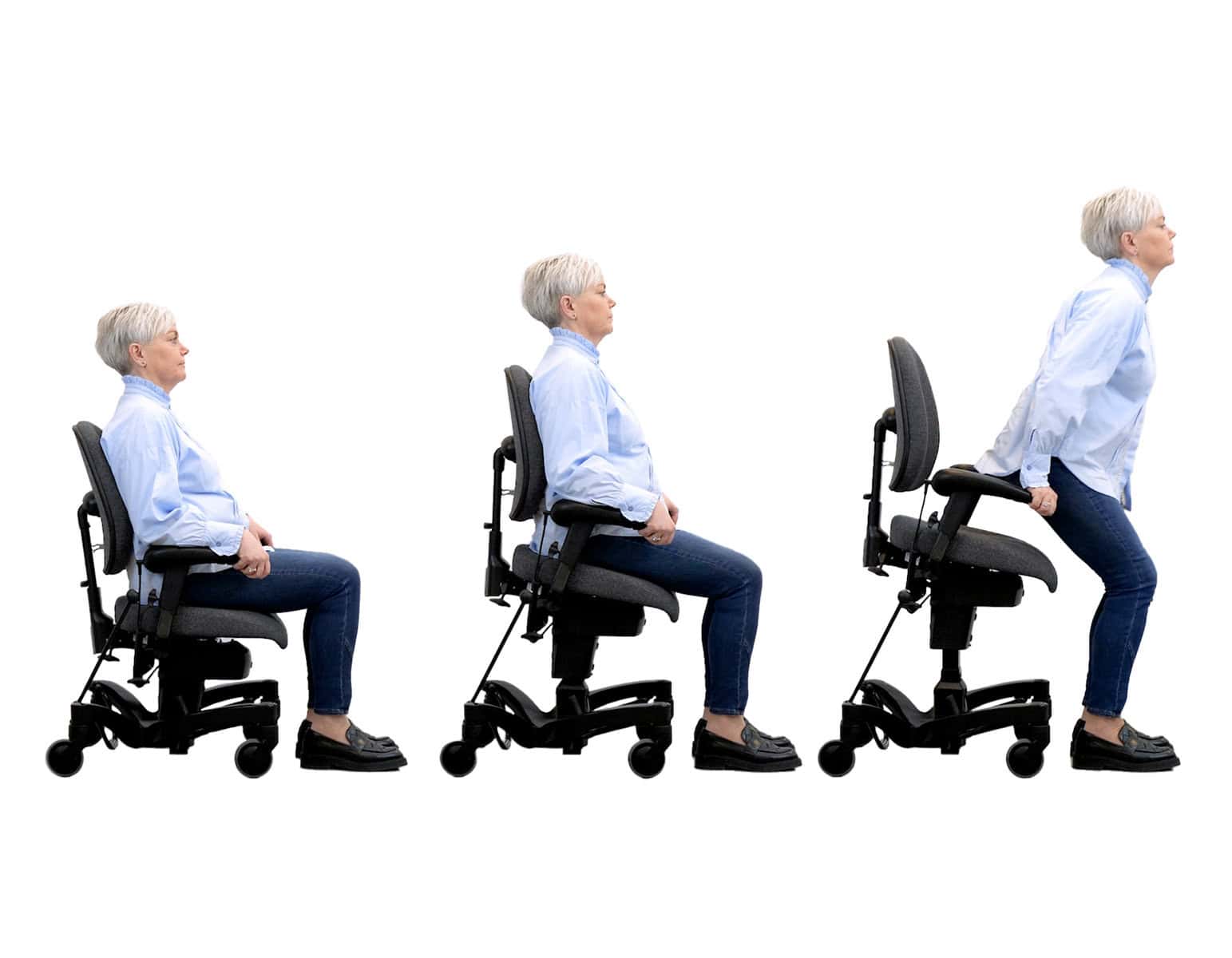
As seniors express a strong desire to age in place, the integration of supportive technologies like the VELA Chair can play a transformative role in prolonging independent living at home. With features such as electric height adjustability, centralized braking, and now smart mobility assistance, fall prevention sensors, predictive AI monitoring, and remote health support, these chairs are specifically designed to optimize day-to-day activities like cooking and dressing, helping individuals maintain a sense of dignity and autonomy. These features, together with hospital-at-home programs offering care such as IV therapy and wound management at home, mean nursing home admission can often be safely delayed, providing a comfortable and familiar environment for longer.[5] [1] [3] Mobility aids like the VELA Chair now incorporate advanced monitoring and accessibility features supporting affordability, monitoring, and safety—offering a practical, well-supported choice for enhancing life at home. For more on how such mobility solutions can benefit seniors, visit Enhancing Mobility for Seniors.