

Updated January 2026: We have updated the article to reflect the latest changes to the CMS Nursing Home Compare Five-Star Quality Rating System, including the transition to two-survey health inspection ratings, new chain-level transparency measures, recalibrated antipsychotic medication benchmarks, removal of COVID-19 vaccination measures, and the postponement of the January 2026 data refresh to February 5. Please consult the revised content for details and guidance on these updates.
Choosing the right nursing home: understanding the Nursing Home Compare 5-star rating
Choosing the right nursing home for a loved one is a momentous decision that requires careful consideration. The Nursing Home Compare 5-Star Rating System plays a pivotal role in assisting families by providing a comprehensive evaluation of nursing home quality. According to Centers for Medicare & Medicaid Services (CMS), “nursing homes with 5 stars are considered to have much above average quality,” while the top 10% of homes receive this distinguished rating. Understanding how these ratings are determined can empower families to make confident, well-informed decisions.
Understanding the Nursing Home Compare 5-Star Rating System
The CMS 5-star rating system is designed to give an overview of nursing home quality, simplifying the complex considerations that families must navigate. Since its inception, the system has been crucial in evaluating facilities, reflecting their compliance with health standards, staffing levels, and quality of care. According to Quality Insights, the system aims to help families gauge the level of care they can expect. As families face the emotional challenges of selecting a suitable facility, this system builds trust and aids in the decision-making process.
How the 5-star ratings are calculated
The CMS star ratings derive from three core evaluation domains: health inspections, staffing, and quality measures. Each domain receives its rating, which is then compiled into an overall score. According to Medicare.gov Care Compare, these domains are weighted to reflect the facility’s performance and the quality of care provided to residents. Health inspections evaluate compliance with regulations, staffing levels indicate the availability of care, and quality measures assess outcomes like pressure ulcers or vaccination rates. As of July 2025, the health inspection domain has changed: the rating is now calculated using only the two most recent standard surveys, with the most recent survey weighted at 75% and the second most recent at 25%. This adjustment removes the oldest data from the calculation, improving the rating’s timeliness and accuracy. The change was made to address the impact of COVID-19-related disruptions on survey schedules and to reflect more current performance. The multi-faceted approach ensures that a facility’s rating accurately reflects its operational standards and the quality of care residents ultimately receive. Polaris Group: July 2025 Survey Rating Changes
What does a 5-star nursing home rating mean for residents and families?
A 5-star rating signals superior quality and assures families that their loved ones will receive excellent care. According to GoAudits Nursing Home Ratings Blog, these ratings heavily influence family decisions, as higher-rated homes are associated with better healthcare and resident satisfaction. For example, a 5-star facility might offer tailored rehabilitation programs, extensive recreational activities, and a higher staff-to-resident ratio. However, variations in ratings occur due to state-by-state differences and between for-profit and non-profit facilities, underscoring the importance of thorough research. Beginning July 30, 2025, CMS is providing new transparency into nursing home ownership by publishing chain-level performance data on Nursing Home Care Compare. Consumers will have access to average overall ratings, as well as health inspection, staffing, and quality measures for chains, enabling better-informed decision-making. Families regularly share testimonials about how ratings guided their decisions, providing peace of mind and ensuring a supportive environment that feels like home. CMS QSO-25-20-NH Memo
Common questions about nursing home ratings
Families often inquire about the dynamic nature of nursing home ratings. How frequently are they updated, and what do changes signify? Traditionally, ratings have been updated as new data became available. However, as of July 30, 2025, updates to Nursing Home Care Compare and the Five-Star system are temporarily paused to allow CMS to transition their data systems, with updates expected to resume in October 2025. Additionally, due to data refresh delays and a federal government funding lapse, the January 2026 scheduled refresh has been postponed to February 5, 2026. Consumers should verify the most current ratings directly on Care Compare following these major updates. According to the NIC Blog on Skilled Nursing, ratings are based on recent data from inspections, staff inputs, and quality measures. A facility can improve or decline in rating depending on its performance, making it crucial for families to view ratings as part of a broader picture. For those dealing with a low-rated facility, it’s important to consider the reasons behind the rating and explore potential improvements or alternative options. CMS QSO-25-20-NH Memo Skilled Nursing News – Pause in Five-Star Updates
Exploring alternatives to nursing homes
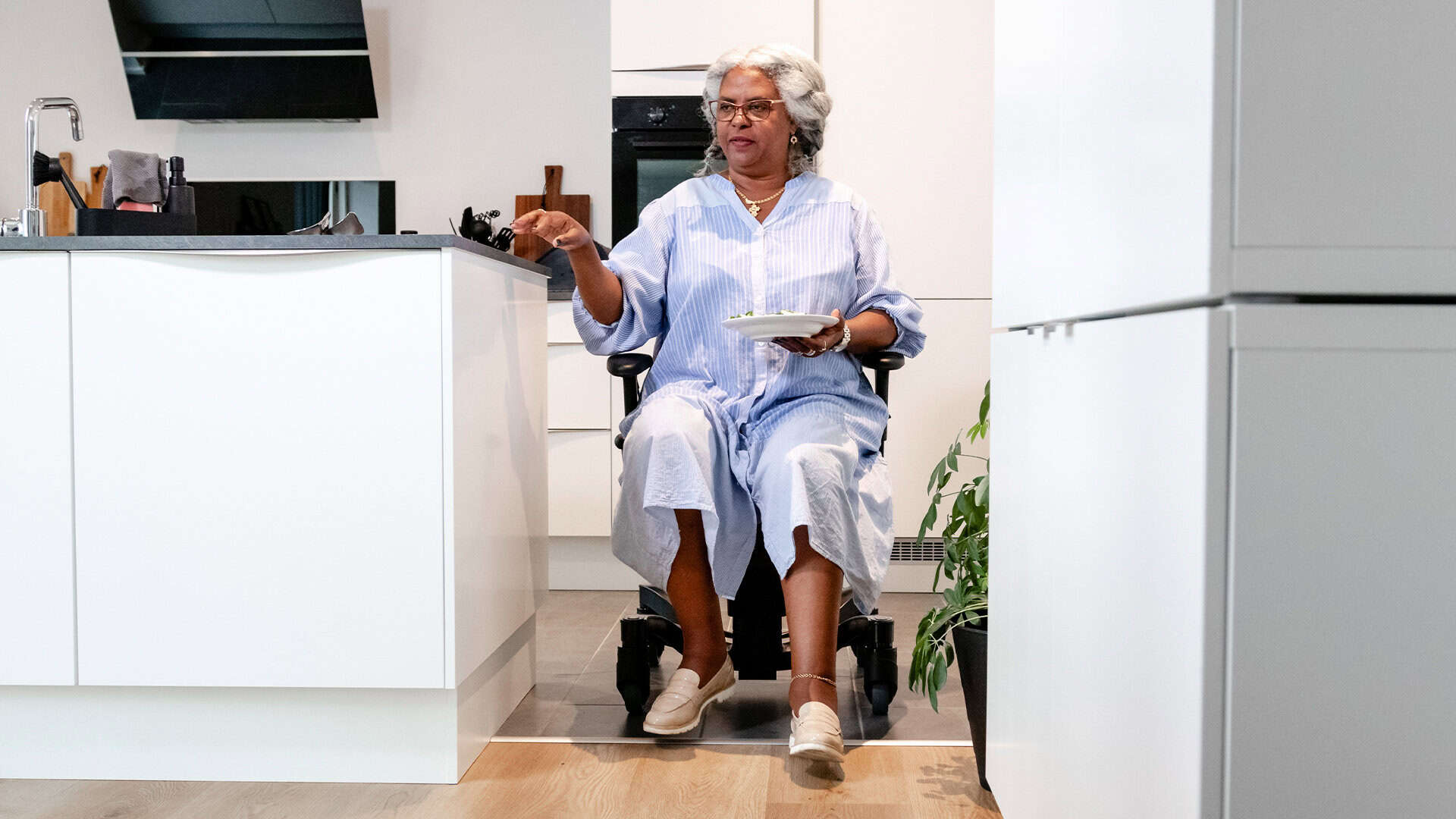
In many cases, supporting aging individuals to remain in their homes can provide significant quality of life benefits. The VELA Independence Chair addresses common concerns such as safety, energy conservation, and assistance with daily activities. Its central brake enhances security, while electric height adjustability accommodates tasks like cooking or getting up. The ease of movement while seated reduces risk during transfers, dramatically curbing unnecessary strain for both residents and their caregivers. Adopting such mobility solutions can delay the transition to nursing homes, offering dignity, autonomy, and energy savings for seniors. Though not the sole option available, VELA Chairs exhibit a proven capability to transform home care dynamics by supporting aging in place, which many consider an ideal scenario for maintaining comfort and familiarity.
Recent changes and additional considerations
The quality measure for long-stay residents who receive antipsychotic medications has been updated. It now integrates data from Medicare and Medicaid claims and encounters in addition to the Minimum Data Set (MDS). Performance is now benchmarked across 10 equal deciles, and the national use benchmark has been recalibrated to 16.98% to better reflect current usage and accuracy. CMS QSO-25-20-NH Memo In response to the COVID-19 pandemic’s changing status, COVID-19 vaccination status measures for residents and staff have been removed from the main Nursing Home Care Compare profiles as of July 2025. While there are no new specific updates to assistive devices, ergonomic designs, or rehabilitation practice cited in recent policy documents, these regulatory changes may influence how nursing homes prioritize quality measures and technology adoption in the future.
Sources
- Centers for Medicare & Medicaid Services (CMS)
- Quality Insights
- Medicare.gov Care Compare
- GoAudits Nursing Home Ratings Blog
- NIC Blog on Skilled Nursing
- Polaris Group: July 2025 Survey Rating Changes
- CMS QSO-25-20-NH Memo
- Skilled Nursing News – Pause in Five-Star Updates
- CMS Five-Star Quality Rating System
- CMS Nursing Home Compare User’s Guide (PDF, January 2026 Revisions)
- LeadingAge: Nursing Home Care Compare January Refresh Postponed
- AHCA/NCAL: CMS Posts Updates to the Nursing Home Five-Star Quality Rating System