

Updated January 2026: We have updated the article with the latest trends in assistive devices for nursing home residents, including smart technology integration in mobility aids and wheelchairs, AI-based fall detection and predictive health monitoring, robotic exoskeletons, remote monitoring wearables, and ergonomic transfer solutions. These updates reflect recent advances in supporting independence, safety, and personalized care in long-term nursing settings.
Nursing Home Gift Ideas: Enhancing Comfort and Connection
Finding the perfect gift for a loved one residing in a nursing home can be both a heartfelt and practical endeavor. Thoughtful gifts not only provide comfort but can significantly enhance the quality of life for nursing home residents. With the growing number of individuals in nursing care facilities—recent statistics from the Centers for Medicare & Medicaid Services highlight that nearly 1.3 million people reside in nursing homes across the U.S.—it’s essential to consider both emotional and practical gift ideas that cater to their unique needs. Here, we explore meaningful nursing home gift ideas to brighten the lives of these residents.
Enhancing comfort and practicality: Gift ideas for nursing home residents
Comfort is paramount in nursing homes, where residents spend much of their time in limited, often shared spaces. Comfort-focused gifts, such as soft blankets, ergonomic pillows, and weighted blankets, are appreciated for their warmth and soothing properties. These items offer physical comfort and a sense of security, reducing anxiety and aiding sleep.
Consider a scenario where a resident named Mary struggles with anxiety during the night. A weighted blanket could provide the pressure she finds comforting, helping to ease her restlessness.
Practical items also prove invaluable. Adaptive clothing designed for ease of wear and removal can greatly benefit those with limited mobility, while gripper socks with non-slip features ensure safety—an essential consideration to prevent falls. According to Cedar Haven, family testimonials frequently highlight the joy and utility these gifts bring, providing loved ones with comfort and dignity.
Innovation in assistive technology: Smart, connected, and adaptive gifts
Recent advances have transformed assistive technology offerings for seniors, setting a new standard for thoughtful gifts. Smart mobility aids now include features such as AI-based fall detection, GPS tracking, and real-time health alerts. Modern walkers and wheelchairs, equipped with sensor integrations and app connectivity, allow for proactive safety support, family notifications, and greater reassurance for caregivers. These innovative devices not only boost independence and confidence but also help mitigate isolation by enabling ongoing remote connection.[1][3][7]
The landscape now also includes robotic exoskeletons that provide enhanced gait support, alongside remote monitoring wearables capable of tracking vital signs and mobility patterns. These wearables, increasingly adopted in care settings, empower proactive intervention and further reduce the burden on caregivers.[1][4][7]
Smart home technology options, such as voice-activated assistants, fall-prevention lighting, and movement sensors, remain popular choices but are now joined by AI-driven care platforms. These platforms deliver personalized alerts and predictive monitoring to detect health or mobility decline early, keeping residents safer and more engaged in their care routines.[1][3][5][7]
Personal care essentials: Elevating wellness in nursing homes
Personal care and wellness gifts can significantly impact residents’ daily lives. For example, lip balm and hand lotions keep skin hydrated and comfortable, while manicure kits encourage self-care, allowing residents to maintain their grooming routines. Staff at Cedar Hill CCC note that these gifts promote autonomy and enhance self-esteem among residents, fostering an environment where personal wellness is at the forefront.
Wellness gifts that promote relaxation, such as aromatic candles or essential oil diffusers, create a tranquil atmosphere conducive to relaxation and peace of mind. Imagine a resident named John finding solace in the calming scent of lavender oil diffusing in his room, offering a moment of reprieve from his daily routine. In addition, adding wearable health and wellness monitors can further personalize support and foster proactive health management for residents.[4][1][7]
Engagement and entertainment: Activity-based gifts for seniors
Keeping the mind and body active is crucial for nursing home residents. Gifts that stimulate the mind—such as puzzles, games, art supplies, and large-print reading materials—provide hours of enjoyment and mental engagement. For residents like Emily, who love to read but struggle with traditional book sizes, an electronic e-reader preloaded with her favorite novels can be a cherished gift.
New digital tools now take senior engagement a step further. Entertainment and activity applications designed for older adults are often paired with tablet devices or integrated into smart TVs and connected systems, offering adaptive content and remote interaction. AI-powered platforms and accessible IoT devices—including smart pill dispensers and connected games—help foster connection, cognitive stimulation, and inclusion.[1][5][7]
According to the Joe and Bella blog, case studies reveal that engaging residents in these activities boosts mood and fosters a sense of community and interaction among peers.
Creating connections: Personalized and sentimental gift ideas
Nothing beats the sentimental value of personalized gifts. Photo albums, memory boxes, and customized experiences create treasured memories and provide a personal touch often cherished by residents. Personal items that evoke positive memories can be incredibly beneficial for residents with dementia, offering a sense of familiarity and comfort. According to Aging Care, these gifts bridge the gap between the past and present, helping retain connections with loved ones and moments they hold dear.
Gifts that help foster independence and mobility are increasingly favored—especially ergonomic transfer aids like hydraulic lifts and adjustable beds, which are now optimized for group use in nursing home environments. Additionally, AI-driven personalized care plans and noninvasive movement sensors in common areas provide residents with tailored support, boosting dignity, safety, and overall emotional well-being.[1][3][7]
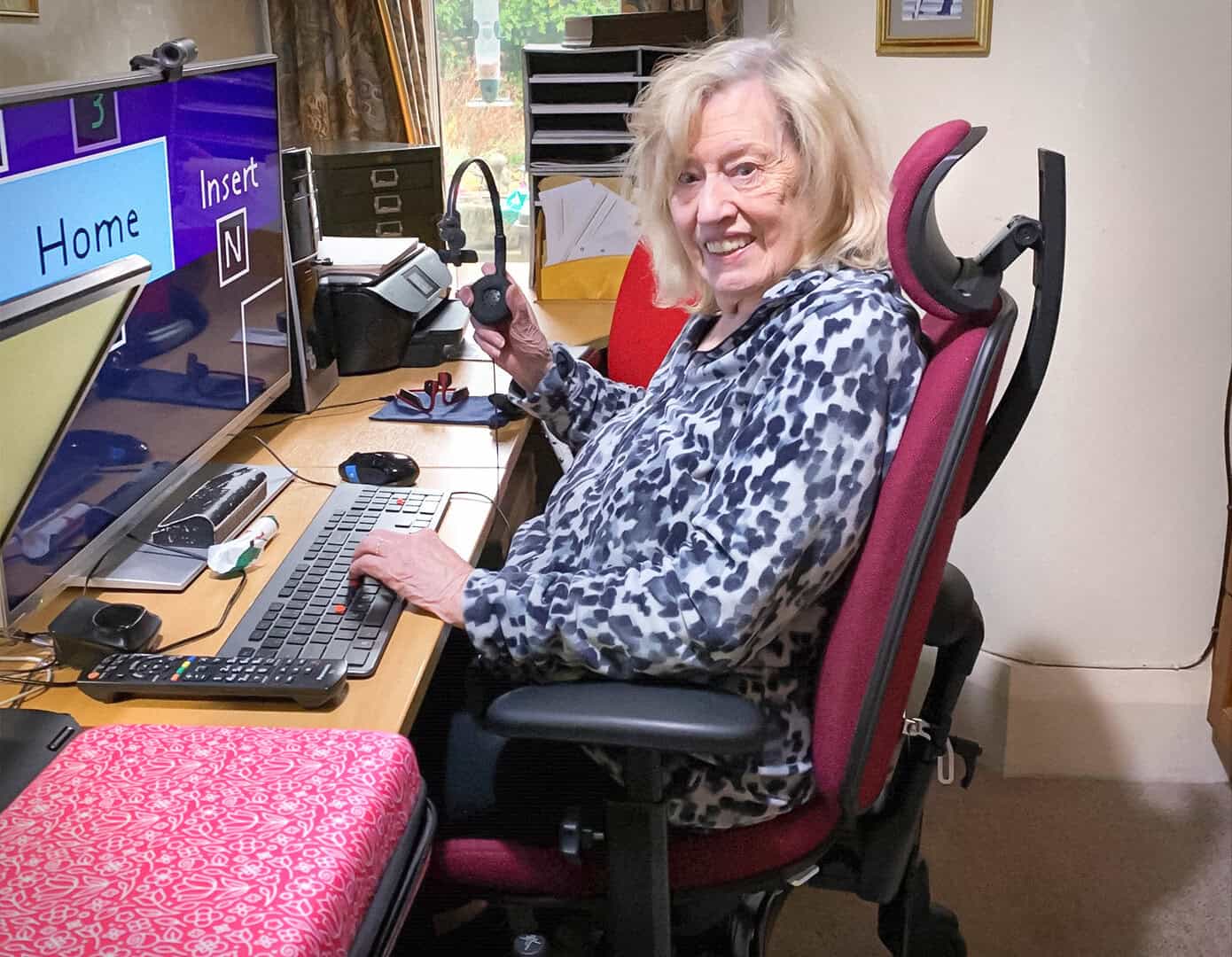
For seniors facing challenges in nursing homes, innovative solutions that aid mobility and foster independence are invaluable. One such option is the VELA Independence Chair, a medically approved mobility chair intended for home use. The chair is designed to enhance safety and support by providing freedom of movement while seated, which helps older adults manage daily tasks like cooking, dressing, or transferring. Additionally, it alleviates the burden on caregivers, making it easier for seniors to enjoy a more independent lifestyle in their own homes.
Breakthroughs in robotics and exoskeleton technology are now more accessible, supporting a holistic and personalized approach to long-term care. Affordable robotic aids and healthcare-linked smart devices are increasingly recommended in care settings to enable greater autonomy, daily comfort, and better rehabilitation outcomes for residents.[1][7]
How mobility solutions like VELA make a difference
VELA Chairs are instrumental in helping older adults maintain independence and extend their time at home. The chair’s central brake system ensures safety, while electric height adjustability allows users to perform tasks more comfortably. This reduces caregiver strain and empowers users by making activities like cooking or cleaning less taxing. VELA’s easy movement aids in preventing falls, a prevalent concern for seniors. Imagine a day where reaching for high shelves or transferring between rooms becomes seamless. Although not the sole solution, VELA represents a tested, practical option for those looking to enhance safety and maintain dignity at home. For more on enhancing elderly mobility and preventing falls, explore fall prevention strategies for seniors.
The future of gifting: Supporting independence through technology
Today’s digital transformation in senior care urges gift-givers to embrace AI-driven, smart, and connected assistive devices. Thoughtful gifts now range from advanced mobility aids and wearable monitors reporting real-time changes, to telehealth-linked platforms and residential robotics. As nursing home residents benefit from predictive health monitoring and proactive risk alerts, these modern gifts deliver far-reaching improvements in independence, caregiver support, and quality of life.[1][3][4][5][7]
References
- Top Durable Medical Equipment Trends for Aging Seniors in 2026
- SynchronyFL: The Future of Home Health Care: Trends to Watch in 2025
- Top Five Health Care Trends for 2026 (AANP)
- Long Term Care 2026 Trends and Outlook (Provider Magazine/AHCA/NCAL)
- 3 Trends in Senior Care Technology (LeadingAge)
- Everything Medical Online: The Latest Trends in Mobility Aid Technology for 2025
- NextMSC Market Report: Disabled and Elderly Assistive Device Market 2025–2030