

Updated January 2026: We have updated the article with new trends in smart mobility aids (including AI, GPS, and fall detection), robotic exoskeletons, AI-driven remote monitoring, and the latest CMS regulatory changes, including rating methodology updates and the repeal of the federal minimum staffing mandate. We also expanded information on technology-enabled rehabilitation, telehealth, and ergonomic shared-use devices for Greensboro nursing homes and home care.
Understanding Nursing Home Care in Greensboro, NC
Navigating the decision to find suitable long-term care for a loved one can be challenging, especially in a city like Greensboro, NC, where the senior population is burgeoning. As a significant hub for senior care in North Carolina, Greensboro offers nearly 60 nursing homes with variable amenities and care quality. According to Caring.com, the average community rating is 3.1 out of 5 stars, with costs ranging from $2,738 to $7,148 per month, making informed choices imperative.
Exploring Options for Nursing Home Care
The landscape for senior care in Greensboro is diverse, offering facilities that cater to a wide range of needs. Among the top-rated facilities, Whitestone A Masonic and Eastern Star Community stands out with a strong focus on community and diverse amenities tailored for long-term care. Similarly, Friends Homes West boasts a perfect 5-star rating, emphasizing skilled nursing and memory care, complete with a range of recreational activities to enhance quality of life. For those requiring rehabilitation services, Camden Health and Rehabilitation, although rated at 3 stars by Medicare.gov, offers extensive therapy options and accepts both Medicare and Medicaid to ease financial management.
New advances in senior care now feature the integration of AI-assisted technologies within nursing homes, such as voice-activated devices, smart medication dispensers, and wearable health monitors that provide continuous vital sign tracking. Since 2025, Greensboro facilities have adopted smart mobility aids—including walkers and wheelchairs equipped with fall detection, GPS localization, and AI-powered sensors—to enhance resident independence and injury prevention.[3] The use of robotic exoskeletons for gait support is also emerging, supporting rehabilitation and promoting safe mobility for seniors with significantly reduced ambulation. Many Greensboro facilities benefit from AI-driven remote health monitoring, which not only enables timely health interventions and seamless chronic disease management but also relieves caregiver workload through earlier detection of falls, infections, and mobility decline.[3]
By visiting these facilities, families can observe the environment firsthand, noting aspects such as cleanliness, the friendliness of staff, and the engagement levels of current residents. For instance, families often find the social environment at Friends Homes West appealing, as residents are actively involved in community activities that promote socialization, such as gardening clubs and arts and crafts sessions.
Navigating Ratings and Services in Greensboro
When exploring nursing home options, understanding the rating systems is crucial. According to the North Carolina Department of Health and Human Services, ratings reflect health inspections, staffing adequacy, and measurable quality outcomes. Facilities like Friends Homes West and Whitestone excel in these areas with higher staffing ratios and regular quality inspections, demonstrating a commitment to exceptional care.
Recent regulatory updates from the Centers for Medicare & Medicaid Services (CMS), effective since mid-2025, have changed the Five Star nursing home rating methodology to focus only on the two most recent standard surveys for health inspection ratings. This approach more accurately captures current performance and has impacted about 20% of homes’ ratings in North Carolina and nationally. CMS now also publishes nursing home chain-level performance data on the Care Compare website and issues updated surveyor guidance addressing medical director roles, admission and discharge, and infection control practices.[2] As of early 2026, the federal minimum staffing mandate for nursing homes has been repealed due to rural workforce shortages, though facilities must still assess and document resident-specific care needs.[4][8][10] Families are advised to review nursing homes’ latest ratings and assessments, especially for changes after July 2025, to ensure up-to-date insights into care quality.
Beyond ratings, many facilities offer specialized programs like memory care and rehabilitation services integral for conditions such as dementia. These programs now increasingly leverage AI monitoring and predictive analytics to tailor care, monitor mobility patterns, and enable early interventions for falls, wounds, or infection risk.[3] Rehabilitation spaces are adopting ergonomic transfer and shared-use devices—such as hydraulic lifts and powered sit-to-stand aids—to ensure comfort and safety during group therapy sessions and daily routines, particularly as resident acuity levels rise. Staff training now frequently includes protocols for utilizing these advanced tools and systems for remote communication and telehealth integration, further enhancing resident support.
Making Informed Financial Choices
Cost is a significant factor in choosing a nursing home. According to FamilyAssets.com, monthly costs in Greensboro range from $2,738 to $7,148, with Medicaid and Medicare providing substantial financial assistance options. Understanding the factors that influence pricing, such as location, the extent of care, and included services, is crucial.
User reviews offer valuable insights into the real-life experiences of families and residents. A family’s testimonial about the compassionate care at Friends Homes West can provide assurance beyond what ratings alone convey, highlighting exemplary staff and supportive community programs.
Supporting Aging in Place with the VELA Chair
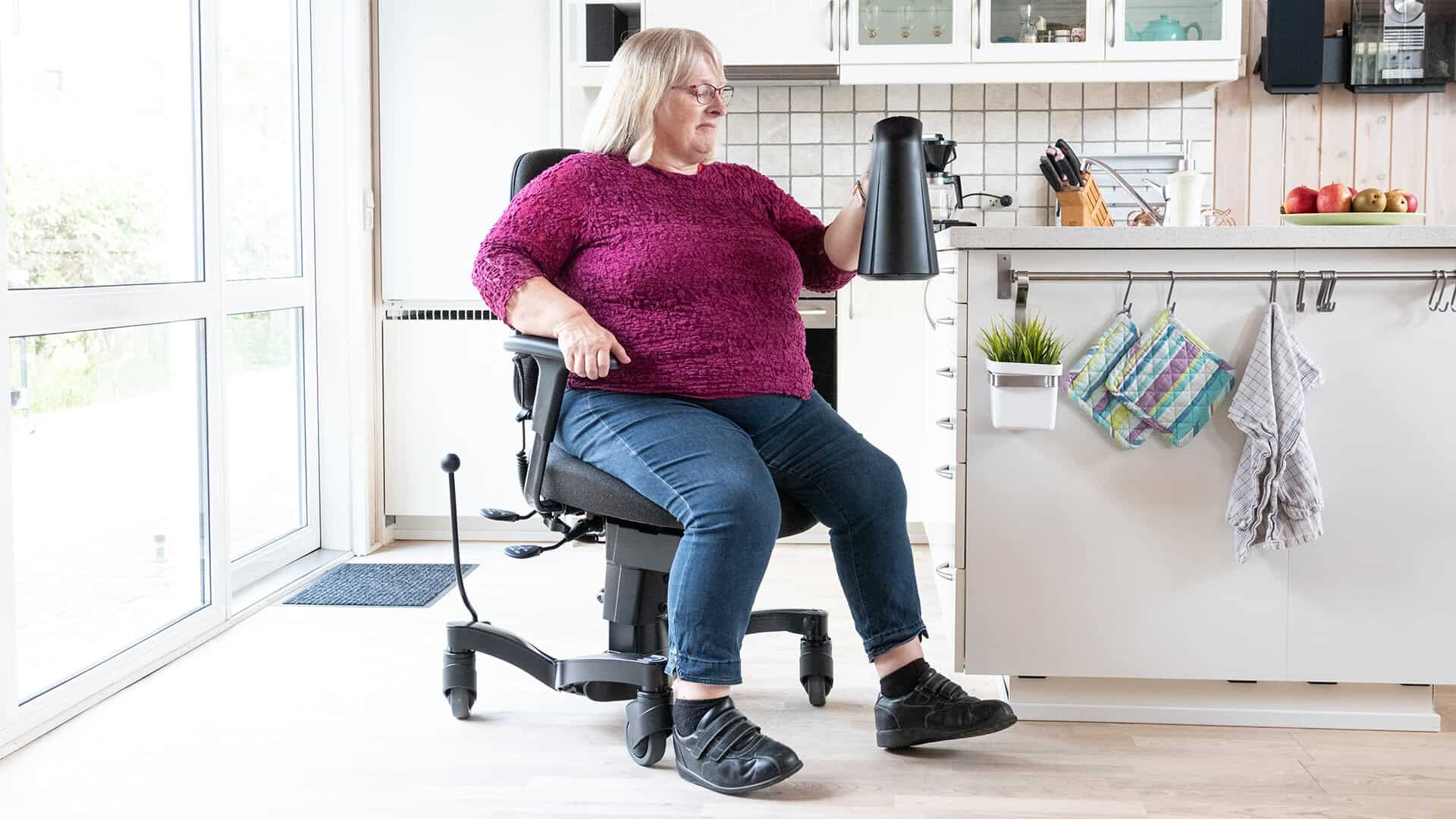
As families consider long-term care arrangements, it’s essential to look beyond traditional nursing facilities to find solutions that encourage independence. The VELA Independence Chair offers a promising alternative for seniors wishing to remain in the comfort of their own homes. The VELA Chair is a medically approved mobility device designed for home use, enhancing safety and supporting daily activities like cooking and dressing. It significantly aids in reducing caregiver burden by allowing for freedom of movement while seated, thanks to features that ease transitions between activities.
A Practical Solution for Aging at Home
The VELA Chair provides seniors with an effective tool to maintain independence, potentially delaying the need for nursing home admission. With features like a central brake for stability, electric height adjustability, and maneuverability while seated, it addresses key challenges such as safety and energy conservation. These practical elements not only reduce the risk of falls but also enhance daily activities, allowing seniors to engage in tasks like cooking and cleaning with greater ease.
Recent trends in home and community-based care emphasize integrating technology—such as smart home devices, AI-powered assistants, and telemedicine platforms—alongside ergonomic support equipment like the VELA Chair to create safer and more connected living environments. In 2026, AI-enabled wearables and smart mobility aids (with fall detection and GPS), robotic exoskeletons, and remote health monitoring are now standard solutions for safety and independence, whether in the home or as part of transitions between care settings.[3] These technologies further support seniors’ independence and enable timely health management without leaving home.
Life with a VELA Chair can transform everyday routines, preserving dignity and freedom, in stark contrast to the limitations some experience without such support. Although VELA is not the sole solution, it represents a proven, practical choice for aging individuals and their families. For those interested in exploring all possibilities, understanding effective care tips for elderly residents in nursing environments can offer valuable insights into maintaining quality of life.
Ultimately, by considering innovative solutions like the VELA Chair and embracing the latest technology-enabled care tools, families can help their loved ones age in place with safety and comfort, potentially postponing the transition to nursing home care.
Sources:
- SynchronyFL, “The Future of Home Health Care: Trends to Watch in 2025” (April 2025)
- ButterflyMX, “Senior Living Technology Trends 2025” (July 2025)
- Heisinger Bluffs, “The Future of Senior Living: Trends to Watch in 2025” (January 2025)
- Reed Smith, “Recent Legislative and Regulatory Updates for Long-Term Care Facilities” (June 2025)
- CMS.gov, “CMS Makes Updates to Nursing Home Care Compare and Five Star” (June 2025)
- CMS.gov, “Revised Long-Term Care Surveyor Guidance” (effective February 2025)
- MyCareConcierge.org, “How Technology Will Transform Senior Care in 2025” (February 2025)
- National Association of Counties, “HHS Releases Rule Repealing Federal Nursing Home Staffing Mandate” (December 2025)
- Skilled Nursing News, “Top Trends That Will Shape the Skilled Nursing Sector in 2026” (January 2026)
- Center for Medicare Advocacy, “CMS Rescinds Nursing Home Nurse Staffing Rule” (February 2026)
- Medicare Rights Center, “CMS Rescinds Nursing Home Staffing Requirements” (December 2025)