

Updated January 2026: We have updated the article with new 2026 findings on infection control protocols, risk-based cleaning frequencies, enhanced sanitation of mobility aids, preventive maintenance checklists, kitchen/food safety standards, and the use of digital audit tools for compliance and maintenance in nursing home housekeeping.
Core Responsibilities of Nursing Home Housekeepers
Maintaining an impeccably clean environment in nursing homes is not merely a basic requirement; it’s essential for resident health, safety, and overall well-being. Housekeeping staff play a pivotal role in achieving these high standards. According to the Centers for Medicare & Medicaid Services (CMS), cleanliness is integral to meeting Medicare/Medicaid certifications. The responsibilities of nursing home housekeepers extend significantly beyond surface-level tidying. They involve meticulous cleaning of resident rooms, common areas, and bathrooms, diligent floor care, proper waste disposal, and rigorous surface disinfection. These tasks are crucial for maintaining hygiene and are integral to infection control. Recent standards emphasize the use of motorized and sensor-based cleaning devices, ergonomically designed for environments with reduced mobility residents, to reduce physical strain for staff and improve precision and safety outcomes (source 7).
Housekeepers ensure every surface is sanitized in coordination with CMS guidelines. As detailed by Community Health Services, housekeeping duties also include maintaining equipment and reporting any maintenance needs, which helps prevent potential health hazards. Their diligence reflects a commitment to a safe and sanitary environment, which is particularly important in facilities receiving a 4.2% increase in Medicare funding for 2025, as noted by the National Investment Center. This funding underscores the growing recognition of the importance of maintaining high care standards in nursing facilities. Current best practices also recommend digitalized cleaning schedules and checklists, supporting clearer assignment of responsibilities and greater accountability among cleaning staff (source 8).
In alignment with 2026 infection control protocols, housekeeping staff now follow risk-based cleaning frequencies for high-touch surfaces such as handrails, wheelchairs, walkers, and medical equipment (source 2, source 5, source 6). Regular two-step cleaning and disinfection—first removing organic material, then applying EPA-registered disinfectants—has been integrated. Weekly sanitization of therapy and mobility equipment is essential to reduce risk of healthcare-associated infections (HAIs), and digital tracking tools are commonly used for audits, maintenance logs, and checklists, ensuring consistent compliance with regulatory standards.
Balancing Resident-Centered Care and Cleaning Schedules
In nursing homes, residents deserve both privacy and cleanliness, presenting housekeepers with the challenge of balancing these dual priorities. One effective strategy involves communicating with residents to understand and respect their personal space and preferences. Southview Senior Communities emphasize the importance of adapting cleaning schedules to align with residents’ daily routines, minimizing disruptions to their comfort and activities.
Effective communication is crucial. Housekeepers who engage with residents foster trust and cooperation, often becoming integral to the caregiving team. Anecdotal evidence from housekeeping staff highlights the importance of courtesy and empathy, illustrating how personalized interactions can transform routine cleaning into a valued service that enhances the residents’ quality of life. For instance, a housekeeper might rearrange their cleaning route to accommodate a resident’s favorite TV show or meal time, demonstrating care that goes beyond mere cleaning tasks. Incorporating inclusive housekeeping tools and adjustable equipment allows both staff and residents with varying physical abilities to participate more actively and safely in maintaining their living environment (source 5, source 2).
Implementing Safety Protocols and Infection Control
Housekeepers stand on the frontline of infection control and safety protocol implementation within nursing homes. They navigate essential health and safety requirements, including adhering to COSHH (Control of Substances Hazardous to Health) regulations. Their training includes identifying and reporting hazards promptly to mitigate risks and ensure resident safety. Understanding infection control procedures is particularly significant. Housekeepers are tasked with preventing the spread of infections through rigorous cleaning standards, which is especially pertinent during flu season or when dealing with highly contagious viruses. Updated national standards from 2025 now require comprehensive training for all staff in infection control, safe use of ergonomic assistive devices, and adaptive cleaning protocols tailored for high-risk populations. Ongoing education in these areas is now mandatory and is reinforced through the use of digital tools for schedule management and compliance tracking (source 7, source 8, source 3).
Recent guidance highlights specialized protocols for high-touch areas and mobility equipment. This includes: two-step cleaning followed by disinfection for handles, rails, and shared devices; terminal cleaning after resident discharge or in rooms of infectious individuals; and scheduled, documented deep cleans. Infection control responsibilities for housekeepers now encompass preventive maintenance and regular sanitation of mobility aids (wheelchairs, walkers), therapy devices, and any equipment assisting resident movement (source 2, source 5, source 6). Housekeepers also play a vital role in preventing scalds by helping to monitor that hot water does not exceed 120°F and in legionella prevention by flushing taps and checking system temperatures.
In addition to infection control, updated kitchen and food safety standards require enhanced surface sanitization, strict temperature monitoring, implemented cleaning SOPs, and regular compliance reviews using digital audit tools (source 4).
Career Pathways in Nursing Home Housekeeping
The path to a career in nursing home housekeeping provides numerous opportunities for growth and development. Typically, entry-level positions require minimal formal qualifications but emphasize training and safety certifications. According to Ultimate Care NY, career advancement often necessitates gaining experience and obtaining additional credentials, such as specialized training in infection control or management.
For those committed to the field, career prospects are promising. Advancement can lead to roles such as lead housekeeper or supervisory positions. The job market for housekeeping staff in nursing homes is stable, with job satisfaction deriving primarily from the fulfilling nature of contributing to resident welfare and facility operations. The tangible impact housekeepers have on residents’ lives—such as knowing their efforts help prevent illnesses—gives this job purpose beyond just cleaning duties. With the rise of digitally managed cleaning schedules and the adoption of sensor-based, ergonomic cleaning equipment, staff are now provided with greater support and reduced risk of injury, improving both working conditions and quality of care (source 8).
Now, routine use of software-enabled checklists not only helps document when cleaning tasks are performed but also triggers maintenance actions for high-risk equipment and accessibility features such as handrails and emergency call systems (source 2). Proactive preventive maintenance reduces regulatory risks and supports resident safety.
Conclusion: Elevating Resident Care Through Housekeeping Excellence
In summary, the role of housekeeping in nursing homes transcends simple cleanliness. These professionals are vital agents in infection control, safety protocol implementation, and upholding a respectful, resident-centered atmosphere. By recognizing and supporting the complex responsibilities these individuals manage daily, facilities can offer enhanced care environments that ensure health and dignity for every resident. Looking ahead, incorporating innovative solutions—such as assistive cleaning technologies, robust training, and digitalized management—alongside traditional housekeeping duties will continue to enhance resident well-being, paving the way for enriched living experiences within nursing homes.
Through detailed and empathetic housekeeping practices, ergonomic and inclusive equipment, robust health and safety protocols, and modern digital tracking, nursing home residents can experience an improved quality of life and greater peace of mind, knowing their living environments are both clean and respected.
Supporting Aging in Place: A Practical Option
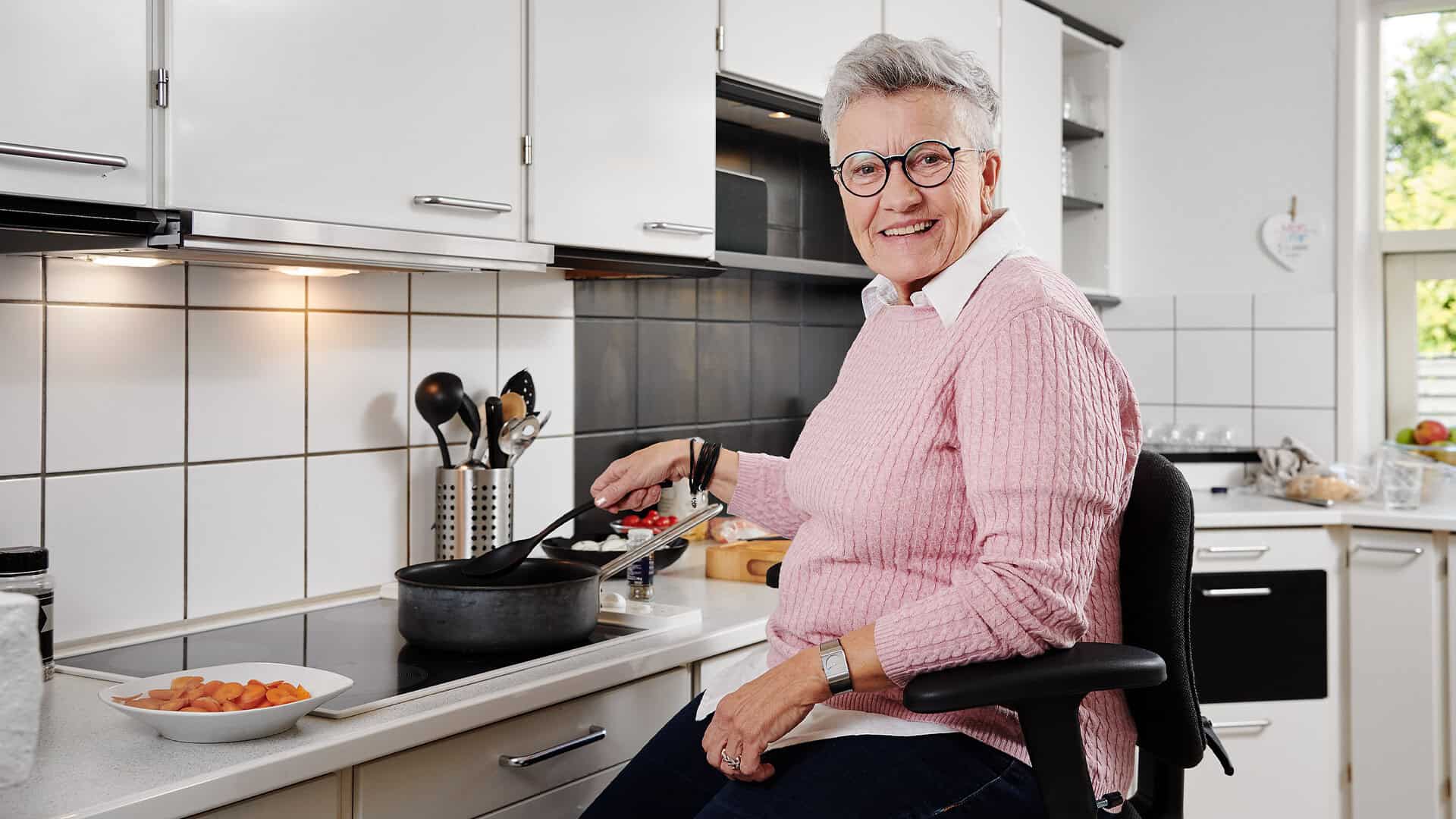
For individuals wishing to remain independent in their homes as they age, mobility solutions like the VELA Chair provide a tangible benefit. VELA chairs offer specific features—such as a central brake for safety, electric height adjustability, and ease of movement while seated—which collectively address safety and mobility challenges. These chairs enable older adults to perform daily activities like cooking and dressing with greater ease and safety, possibly delaying the need for nursing home care. By enhancing freedom, saving energy, and maintaining safety, VELA chairs support dignity and independence, helping individuals stay at home longer and reduce the burden on caregivers. While VELA is not the only solution, it represents a proven and practical option that promotes aging in place effectively. Mobility Solutions for Nursing Homes, focusing on fall prevention, illustrate the value of integrating such innovative tools into everyday life.
Sources:
- National Standards of Healthcare Cleanliness 2025 [source 7]
- Best Practices for Housekeeping in Healthcare Facilities [source 8]
- The Ultimate Guide to Cleaning in Care & Nursing Homes [source 2]
- Senior Living Housekeeping Best Practices [source 3]
- House Cleaning for Seniors: 10 Best Tips in 2025 [source 5]
- Nursing Home Maintenance Checklist 2026 [source 2]
- Infection Control in Nursing Homes: CDC Guidelines & Best Practices [source 5]
- Complete Guide to Medical Facility Cleaning Standards 2026 [source 6]
- Guide to Nursing Home Kitchen Regulations for Food Safety in 2026 [source 4]