

Updated January 2026: We have updated the article to reflect the repeal of federal minimum nursing home staffing requirements (effective February 2026), the continued importance of facility assessments, significant changes in CMS Five Star rating details, and the latest innovations in smart mobility aids, remote monitoring, and care technology trends for Jersey City nursing homes.
Updated August 2025: We have updated the article with new insights into AI-powered mobility aids, smart home care technologies, recent CMS regulatory changes, and advances in telemedicine shaping nursing home care in Jersey City. Details on updated nursing home quality ratings, remote monitoring innovations, and technology adoption trends are included to reflect the 2025 care and policy landscape.
Understanding the landscape of nursing homes in Jersey City
Jersey City is a dynamic and diverse urban center with a significant aging population necessitating comprehensive nursing home services. According to demographic studies, the city has over 280,000 residents, a substantial number of whom are entering their senior years. The average nursing home in Jersey City carries a rating of 3.5 out of 5 based on feedback from 3,004 reviews. This reflects mixed satisfaction levels among current residents and their families. For prospective residents or their families navigating these options, Medicare.gov offers a standardized comparison system highlighting staffing ratios, inspection scores, and care quality measures, ensuring choices are informed by credible data.
Understanding New Jersey’s specific regulations is paramount for those considering nursing home care in Jersey City. The New Jersey Department of Health (NJDOH) provides robust insights into regulatory compliance and facility licensing. These reports are instrumental in making informed decisions about care quality and safety. The testimonials from local healthcare professionals and families stand as valuable anecdotal evidence, providing a human touch to complement official ratings and inspections.
As of early 2026, the regulatory environment for nursing homes in Jersey City reflects substantial changes. A key development is the repeal of the 2024 federal minimum staffing requirements for nursing homes by the Centers for Medicare & Medicaid Services (CMS), effective February 2, 2026. Federal requirements now revert to the prior standard of a registered nurse (RN) on site for at least eight consecutive hours daily, instead of a round-the-clock RN presence. CMS continues to require each facility to conduct individualized facility assessments to determine appropriate staffing based on resident acuity and needs. This policy change may affect care standards and staffing levels, especially in rural and urban facilities in New Jersey. The CMS Five Star rating and Care Compare systems have also been significantly updated: survey and inspection weighting now focus on the most recent results, recent antipsychotic medication use data (from October 2025), and the system no longer considers prior vaccine data. These changes bring current, transparent indicators for families monitoring care quality and facility operations (AHA; Reed Smith; NACO; Medicare Advocacy; Medicare Rights Center; Health Industry Washington Watch, 2025; CMS.gov; PAltMed.org; AHCA).
Spotlight on top-rated nursing facilities and their services
Among Jersey City’s top-rated facilities are Peace Care St Joseph’s and St. Ann’s Home for the Aged. Peace Care St Joseph’s is known for its specialized focus on rehabilitation and memory care, maintaining a respectable service reputation. According to facility-specific quality measures, it holds a rating of 3.9, which reflects overall satisfaction with the care provided. In contrast, St. Ann’s Home for the Aged, which boasts a 4.7 rating on Caring.com, is celebrated for its semi-acute rehab services and welcoming, family-run atmosphere.
Manhattanview Nursing Home, noted for its multilingual staff and unique therapy services, is also a prominent option. This facility’s ability to cater to a linguistically diverse population is a significant draw for many residents in the multicultural tapestry of Jersey City. These facilities exemplify the city’s capacity to address diverse health needs with specialized services.
The personalized care and engaging community programs frequently cited by residents and their families serve as key trust indicators, reinforcing these facilities’ status as reputable care providers.
Nursing homes in Jersey City in 2026 are advancing technology adoption at an accelerated pace. Facilities increasingly integrate smart mobility aids such as walkers and manual or powered wheelchairs equipped with fall detection, GPS tracking, and AI sensors to assess movement patterns and prevent incidents. Robotic exoskeletons are now utilized to support resident gait and mobility where appropriate, promoting rehabilitation and safe walking. Many nursing homes have adopted digital platforms that link these devices directly to nursing stations for rapid response in the event of a fall or emergency. Wearable devices for real-time health monitoring and ergonomic transfer aids—such as hydraulic lifts—are mainstream, empowering independence and reducing caregiver injury risk. These interconnected systems, along with AI-driven predictive care alerts for staff, are significantly enhancing safety, individualized care, and healthy aging for Jersey City’s residents (SynchronyFL; Everything Medical Online; MyCareConcierge).
Financial considerations and future expectations for nursing home care
Planning for nursing home care necessitates a clear understanding of financial obligations. The average monthly cost for a private room in New Jersey is $11,254, influenced by the urban context and higher labor costs in areas such as Jersey City. According to Caring.com, these price points reflect the services on offer, such as specialized therapy or bilingual staff, designed to meet residents’ unique needs.
Analysts from the National Investment Center for Seniors Housing & Care predict occupancy rates will continue to rise, reaching approximately 84.5% by 2025. This sustained demand underscores the necessity for quality care, despite accompanying challenges like staffing shortages and reimbursement adjustments (ACPlus).
Families should explore various financial aid options, including Medicaid assistance and veterans benefits, highlighting the proactive measures needed to secure affordable care for loved ones.
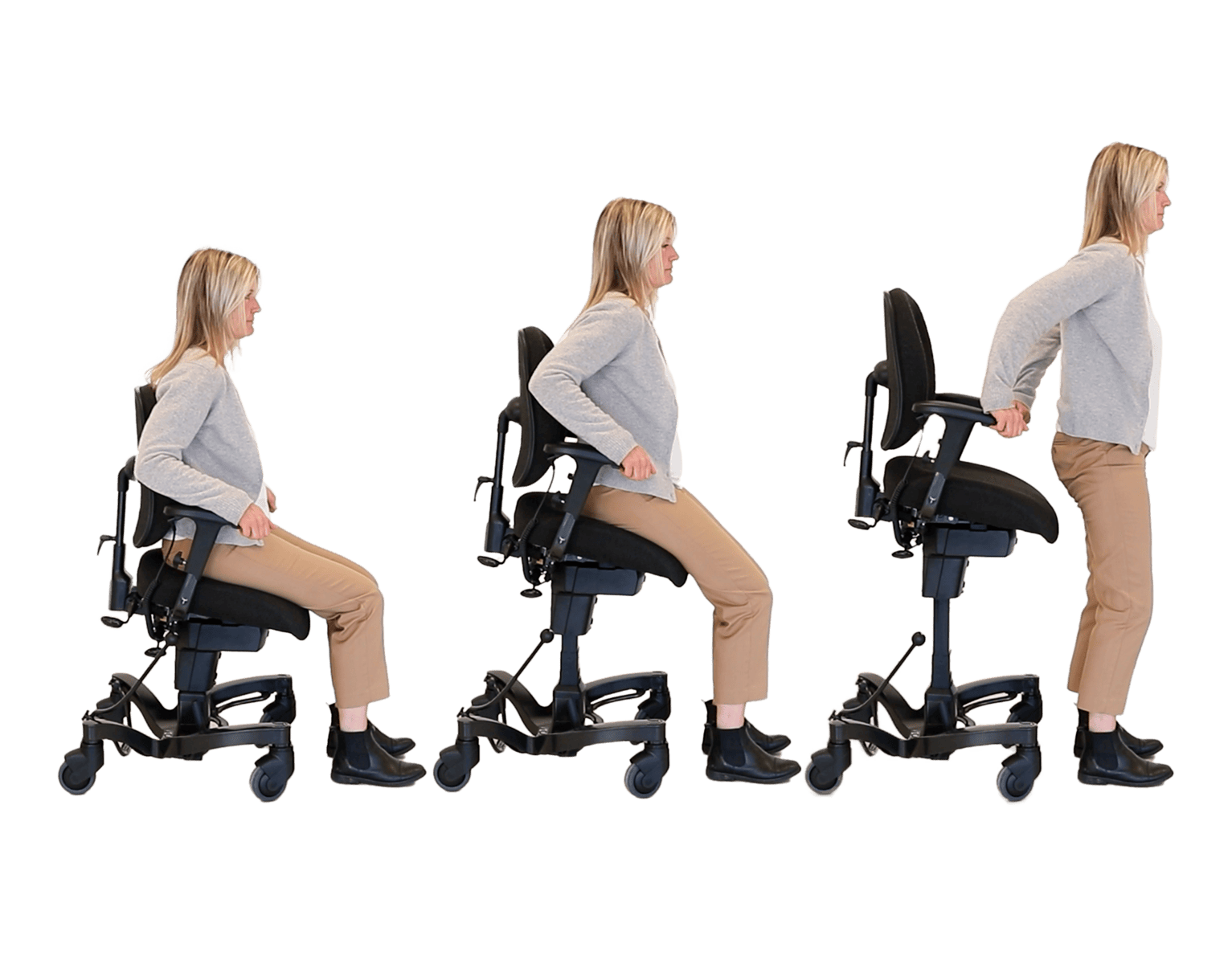
With these challenges, many families are also exploring alternatives that allow older adults to stay longer in their homes, potentially delaying the transition to full-time care facilities. Solutions like the VELA Independence Chair offer an innovative approach. This medically approved mobility chair is designed for use at home, providing enhanced safety and freedom of movement while seated. It supports daily activities like cooking, dressing, or transferring, significantly reducing the physical load on informal caregivers—an attractive option for those seeking to maintain independence without compromising on safety.
The landscape in 2026 also demonstrates a deepening integration of telemedicine, virtual healthcare, and wearable health monitors, enabling remote monitoring and active family engagement in care planning. Devices are increasingly personalized and interoperable, promoting a shift from traditional facility-centric care toward hybrid service models that blend home and nursing home support based on resident needs. This evolution allows more seniors to remain safely at home while leveraging rapid-response tools and predictive care technologies, further reducing reliance on 24/7 staff presence. Ergonomic transfer aids and telehealth-linked platforms now streamline care coordination and lower caregiver injury risk, responding to both resident and workforce needs (Harvard Business Review Health Care; SynchronyFL).
Staying independent at home with support
Mobility solutions such as the VELA Independence Chair provide practical support to seniors wishing to age in place. With features like a central brake for added safety and electric height adjustability, these chairs make everyday tasks simpler and safer, allowing seniors to navigate their homes with ease. Imagine the freedom of moving comfortably from cooking a family meal to enjoying a leisurely afternoon without worrying about stability or energy depletion.
By reducing the need for continuous hands-on assistance, VELA Chairs cater to the dignity and autonomy of seniors, thereby delaying the urgency to move into nursing facilities. While not the only solution, these proven mobility aids are impactful in fostering confidence and reducing caregiver burden, affirming their role in supporting a cherished lifestyle of independence. Through enhancements for safety and ease-of-use, seniors remain active participants in their lives, fostering an environment where aging at home becomes a viable and respectable choice.
References
- SynchronyFL. “The Future of Home Health Care: Trends to Watch in 2025” (Apr 2025).
- Health Industry Washington Watch. “Recent Legislative and Regulatory Updates for Long-Term Care Facilities” (Jul 22, 2025).
- Harvard Business Review Health Care. “The Future of Senior Living: Trends to Watch in 2025” (Jan 2025).
- PAltMed.org. “CMS Announces Key Revisions to Nursing Home Surveyor Guidance” (Nov 2024).
- MyCareConcierge.org. “How Technology will Transform Senior Care in 2025” (Feb 2025).
- CMS.gov. “Revised Long-Term Care Surveyor Guidance” (Nov 2024 PDF).
- Everything Medical Online. “The Latest Trends in Mobility Aid Technology for 2025” (May 2025).
- American Health Care Association (AHCA). “CMS Makes Updates to Nursing Home Care Compare and Five Star System” (Jun 18, 2025).
- AHA. “CMS Repeals Minimum Staffing Requirements for Skilled Nursing and Long-Term Care Facilities” (Dec 2, 2025).
- Reed Smith. “Recent Legislative and Regulatory Updates for Long-Term Care Facilities” (Dec 2025).
- NACO. “HHS Releases Rule Repealing Federal Nursing Home Staffing Mandate” (Dec 2025).
- Medicare Advocacy. “CMS Rescinds Nursing Home Nurse Staffing Rule” (Dec 2025).
- Medicare Rights Center. “CMS Rescinds Nursing Home Staffing Requirements” (Dec 11, 2025).