

Updated January 2026: We have updated the article with the latest insights on AI-powered mobility aids, smart monitoring technologies, and robotic exoskeletons transforming nursing home care. The article now addresses major industry trends such as telehealth integration, regulatory changes including the CMS staffing rule repeal and star rating updates, increased use of wearables and digital health platforms, and the growing adoption of advanced ergonomic and disinfectable transfer aids in Las Vegas nursing homes. Enhanced guidance is provided on tech-enabled environments that support both residents and caregivers.
Understanding the landscape of nursing homes in Las Vegas
As Las Vegas continues to attract a growing number of retirees, understanding the landscape of nursing homes is more crucial than ever. According to the Nevada Division of Health Care Financing and Policy, the state’s 65+ population has seen significant growth, boosting the demand for nursing home services. This demographic shift necessitates an exploration of local facilities offering quality care and support for the elderly. Resources such as Medicare.gov Care Compare provide essential insights into facility ratings and comparisons, helping families make informed decisions about long-term care options.
Top-rated nursing homes: quality and services comparison
When comparing nursing homes in Las Vegas, it’s important to consider quality measures, staffing levels, and available services. Delmar Gardens of Green Valley and North Las Vegas Care Center emerge as top performers due to their comprehensive care models and high star ratings. According to CMS Care Compare, these facilities boast impressive staffing ratios and quality measures that set them apart. For example, Delmar Gardens maintains low antipsychotic use and a high rate of improvement in residents’ functional capabilities. Special programs such as short-term rehabilitation and memory care cater to a variety of resident needs, further enhancing their offerings.
Inspection data from ProPublica Nursing Home Inspect shows these facilities maintain excellent records and promptly address any deficiencies, ensuring their residents receive consistent, high-quality care.
The methodology for nursing home quality ratings has been revised by CMS in 2025. The Five Star Quality Rating System now bases its calculations on only the two most recent health inspections, rather than the previous three, and has updated its weighting to better reflect current care quality. In addition, chain-level data is now included to provide increased transparency on facility performance across organizations. These updates allow families to better assess care quality based on the most recent and relevant information.
Health Industry Washington Watch, 2025, American Health Care Association, 2025
Navigating the costs of nursing home care in Las Vegas
Cost is a significant factor when considering nursing home care. According to the Nevada Division of Health Care Financing and Policy, Medicaid daily reimbursement rates in Las Vegas range from $111.23 for Tier I residents to $326.26 for Tier III, translating to approximately $3,337–$9,788 per month. Understanding these tiers is crucial as they reflect the level of care required by residents. Additionally, CMS Care Compare provides detailed cost comparisons, helping families plan financially for this critical transition.
Medicare coverage is generally limited to short-term stays and rehabilitation services following a hospital stay, while Medicaid assists with long-term care for individuals meeting specific income and asset criteria. It’s essential for families to explore these options to maximize benefits and minimize out-of-pocket expenses.
Key considerations for selecting a nursing home in Las Vegas
Selecting the right nursing home involves weighing various factors to ensure the best fit for seniors’ needs. Key considerations include location, quality of care, and the presence of specialized services. The importance of staff-to-resident ratios cannot be overstated, as they significantly impact care outcomes. According to Medicare.gov Care Compare, optimal staffing levels are associated with better resident satisfaction and health outcomes.
Navigating waitlists and availability also plays a crucial role, especially given the high occupancy rates reported by the National Investment Center for Seniors Housing & Care. Understanding facility-specific offerings, like specialized memory care or rehabilitation programs, can influence decision-making. For instance, a facility’s ability to offer personalized therapy sessions or engaging social activities may greatly enhance a resident’s quality of life.
Recent policy developments have introduced significant changes that affect nursing home operations and care delivery. In 2026, the Centers for Medicare & Medicaid Services (CMS) repealed the minimum staffing standards for long-term care facilities, which may influence staffing patterns and resource allocation. These regulatory updates are expected to alter the way facilities manage care and may have downstream effects on quality, caregiver workloads, and patient experiences.
Skilled Nursing News, 2026, Reed Smith, 2026, Federal Register, 2025, Medicare Advocacy, 2025, Medicare Rights Center, 2025
Enhancing the experience of nursing home living
It’s important to recognize the day-to-day realities faced by residents in nursing homes. Typical environments include shared or private rooms, communal dining, and social activities that foster a sense of community. Facilities often tailor their activities to meet the interests and abilities of residents, ranging from fitness classes to arts and crafts. Additionally, residents may receive personalized medical attention, ensuring that both their physical and emotional needs are met.
In line with industry trends toward upscale and tech-enabled environments, recent innovations have transformed the resident experience in Las Vegas nursing homes. AI-powered mobility aids are now standard, including smart wheelchairs and walkers equipped with fall detection, GPS navigation, and integrated health monitoring sensors. These smart devices combine safety features such as automatic collision avoidance with adaptive support that adjusts to individual resident patterns, enabling greater independence and reducing risks of falls.
Skilled Nursing News, 2026, EverythingMedicalOnline, 2025
Facilities are widely adopting robotic exoskeletons for enhanced mobility and rehabilitation, supporting residents with limited strength to walk or perform daily activities. AI-driven real-time monitoring platforms and wearables—such as smartwatches or passive biosensors—provide early detection of falls, infections, and changes in gait, enabling timely intervention and reducing hospitalizations. These tools also ease the administrative and physical burden for caregivers, allowing staff to focus on personalized care.
Skilled Nursing News, 2026
Rehabilitation services now commonly leverage telehealth and digital platforms for remote monitoring and continuous engagement, enabling therapy and proactive health management while minimizing travel and disruption for residents. These advancements contribute to greater satisfaction, improved quality of life, and support healthy aging in place.
Skilled Nursing News, 2026
Additional trends include implementation of ergonomic, easy-disinfect transfer aids in shared environments, and integrated digital platforms for care management, which promote resident safety, support caregiver workflows, and streamline communications.
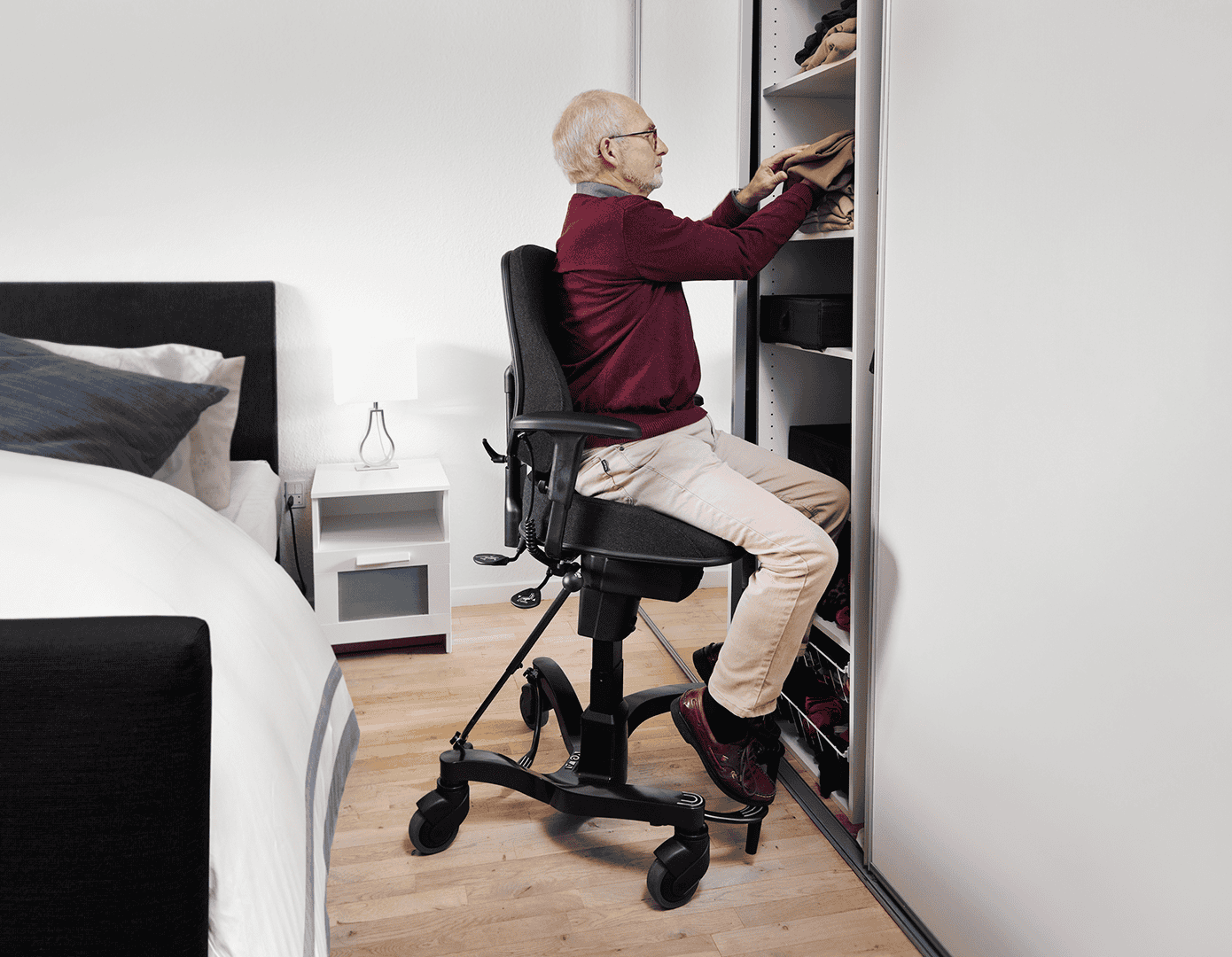
Navigating the challenges of nursing home living often underscores the quest for alternatives that preserve independence for longer. As care needs increase, solutions that prioritize safety and freedom at home become desirable, especially those that reduce strain on caregivers while supporting daily activities. One such solution is the VELA Independence Chair, a medically approved mobility chair designed for use at home. It provides enhanced safety features, freedom of movement while seated, and substantial support for activities like cooking, dressing, or transferring, all while minimizing the load on family caregivers.
Reducing caregiver burden through smart seating
Supporting older adults in maintaining independence at home can be significantly enhanced by smart solutions like the VELA Independence Chair. By addressing critical needs such as safety, energy conservation, and ease of movement, these mobility chairs can effectively delay the necessity for nursing home care. Features such as a secure central brake, electric height adjustability, and seamless movement while seated foster a dignified and active lifestyle. These chairs are particularly valuable in everyday scenarios like cooking and cleaning, offering not only physical support but also preserving the resident’s energy and autonomy.
While VELA chairs offer a promising approach to aging in place, they are part of a broader spectrum of solutions dedicated to supporting the elderly at home. They exemplify the balance between innovative technology and the essential human values of independence and safety. Explore the benefits of enhancing independence in care facilities with the VELA Independence Chair, ensuring a practical and valued experience for both residents and caregivers.
Sources
- Nevada Division of Health Care Financing and Policy
- Medicare.gov Care Compare
- CMS Care Compare
- ProPublica Nursing Home Inspect
- National Investment Center for Seniors Housing & Care
- Synchrony Homecare, 2025
- Health Industry Washington Watch, 2025
- ButterflyMX Blog, 2025
- MyCareConcierge, 2025
- PaltMed, 2024
- American Health Care Association, 2025
- EverythingMedicalOnline, 2025
- Kaiser Family Foundation, 2025
- Skilled Nursing News, 2026
- Reed Smith, 2026
- Federal Register, 2025
- Medicare Advocacy, 2025
- Medicare Rights Center, 2025