

Updated January 2026: We have updated the article with the latest advancements in AI-driven personalized care, robotics-assisted therapy, mainstream wearable health devices, smart home integration, the expansion of “Hospital at Home” programs, and enabling technology benefits, reflecting trends from late 2025 and early 2026 in elder care and mobility solutions.
The Unique Rise of Nursing Home Memes in the Digital Age
In today’s digital era, where humor touches every corner of life, “nursing home memes” have found a special place on social media platforms such as TikTok. These memes, commonly tagged with “nursing home humor,” feature the lighter side of senior care, highlighting the playful, quirky, and heartfelt moments behind the scenes. Their growing popularity reflects a collective need for laughter and appreciation of the unique challenges and resilience in this field. According to the National Investment Center for Seniors Housing & Care, nursing homes have seen a rise in occupancy rates, reaching 84.5% in late 2024. This increase demonstrates ongoing demand for quality care solutions, making humor a vital tool for both caregivers and residents.
How Humor Enhances the Nursing Home Experience
Humor inherently permeates the environment of nursing homes, thriving in both daily interactions and online communities. Serving more than just entertainment, it is a crucial coping mechanism. Within elder care settings, laughter provides therapeutic benefits—relieving stress, enhancing morale, and creating deeper connections between staff and residents. Humor becomes an effective tool against the emotional challenges of caregiving. As discussed by Nurseslabs, humor helps nurses prevent burnout by transforming tense situations into lighthearted moments. A nurse shared, “During daily rounds, those unexpected giggles remind us of our humanity, even during tough days.”
In practical scenarios, this means a caregiver might share a playful joke to lighten the mood when assisting residents with daily activities like dressing or dining, thus aiding in creating a comfortable and supportive atmosphere.
Decoding the Popularity of Nursing Home Memes
Nursing home memes encapsulate real snippets, albeit exaggerated, infused with relatable truths. Typically, these memes portray humorous exchanges or moments of irony, seasoned with affection and a hint of mischief. On platforms like TikTok, they garner significant engagement, captivating those familiar with or curious about aged care. However, addressing aging and care with humor requires balancing sensitivity with respect.
These memes often depict humorous banter between staff and residents, shedding light on common nursing home challenges in a playful manner. Their cultural significance lies in normalizing and humanizing the aging process, inviting outsiders into a world frequently obscured by stereotypes of frailty and decline.
The Positive Effects of Laughter in Elder Care Settings
The advantages of humor on well-being are well-established. In nursing homes, laughter acts as a dynamic catalyst for positive change, imparting both physiological and psychological benefits. Laughter can alleviate pain, boost mood, and foster a sense of community. Integrating humor into daily routines can cultivate a supportive environment, encouraging resident engagement and wellness. Insights from ACPlus suggest that amidst the industry’s staffing shortages and operational challenges, humor serves as an invaluable asset in elevating care quality.
Innovations and Regulatory Shifts: Modernizing Nursing Home Care
Recent years have seen significant advances in nursing home and aging-in-place care, driven by rapid growth in assistive technology and new regulatory approaches. The integration of artificial intelligence (AI) and smart devices is transforming senior care environments:
- AI-powered personalized care plans and real-time monitoring: The integration of AI now powers highly individualized care, using real-time health and environmental data to predict and meet resident needs. This approach enhances both safety and well-being for seniors.
Synchrony Financial - Robotics-assisted therapy and smart mobility aids: Robotics, including exoskeletons and advanced mobility equipment, now support physical rehabilitation and daily movement, directly contributing to increased independence.
Synchrony Financial - Wearable health devices and sensors: Continuous monitoring of vital signs has become mainstream through wearable technologies. These devices deliver health updates and alerts, improving timely intervention and proactive care.
Synchrony Financial - Smart home integration: Voice-activated assistants, fall detection systems, smart locks, and video doorbells are now widely adopted. These tools not only enable autonomy for those with mobility limitations but also enhance emergency response and safety.
ButterflyMX | UnitedHealthcare Community & State - “Hospital at Home” programs: Hospital-level care services, including IV therapy, wound care, and post-surgical monitoring, are increasingly available in home and community-based settings. This allows many older adults to avoid institutionalization.
Synchrony Financial - AI-powered assistants for daily management: Digital assistants are playing a vital role for seniors with low vision, cognitive challenges, or complex daily routines, streamlining communication and supporting independent living.
LetsEnvision
These advancements support greater independence, dignity, and well-being for residents—aligning with a wider adoption of person-centered care models. Current guidelines emphasize each resident’s right to autonomy in scheduling daily routines, health care decisions, and personalized activity planning. This cultural shift also encourages facilities to offer reasonable adjustments, such as flexible meal times or tailored social programs, further enhancing individuals’ quality of life.
Justice in Aging | Shepherd Premier Senior Living
Policy evolution is evident in new Centers for Medicare & Medicaid Services (CMS) survey methodologies, which focus oversight on risk assessment and resident safety, and encourage a proactive approach to the improvement of care practices.
Centers for Medicare & Medicaid Services
Best practices for fall prevention in nursing homes now incorporate comprehensive risk assessments, individually tailored care plans, and modern environmental adaptations such as non-slip flooring, secure handrails, improved lighting, and integrated smart fall detection technologies.
Lisclare
In behavioral management, there is stronger support for non-pharmaceutical interventions as alternatives to antipsychotic medications. Strategies such as music therapy, individualized activities, and supervised community outings help address behavioral needs while supporting resident dignity and engagement.
Justice in Aging
Rehabilitation and senior living design now prioritize holistic, wellness-focused environments—emphasizing natural light, green spaces, and exercise programs tailored to mobility and endurance, promoting both physical and mental well-being. Regulatory emphasis has also shifted toward inclusive product development, personalized nutrition, and opportunities for socialization, ensuring resident autonomy and preferences are respected.
Shepherd Premier Senior Living | Sadie G. Mays
Ergonomic and Mobility Solutions to Enhance Elder Care
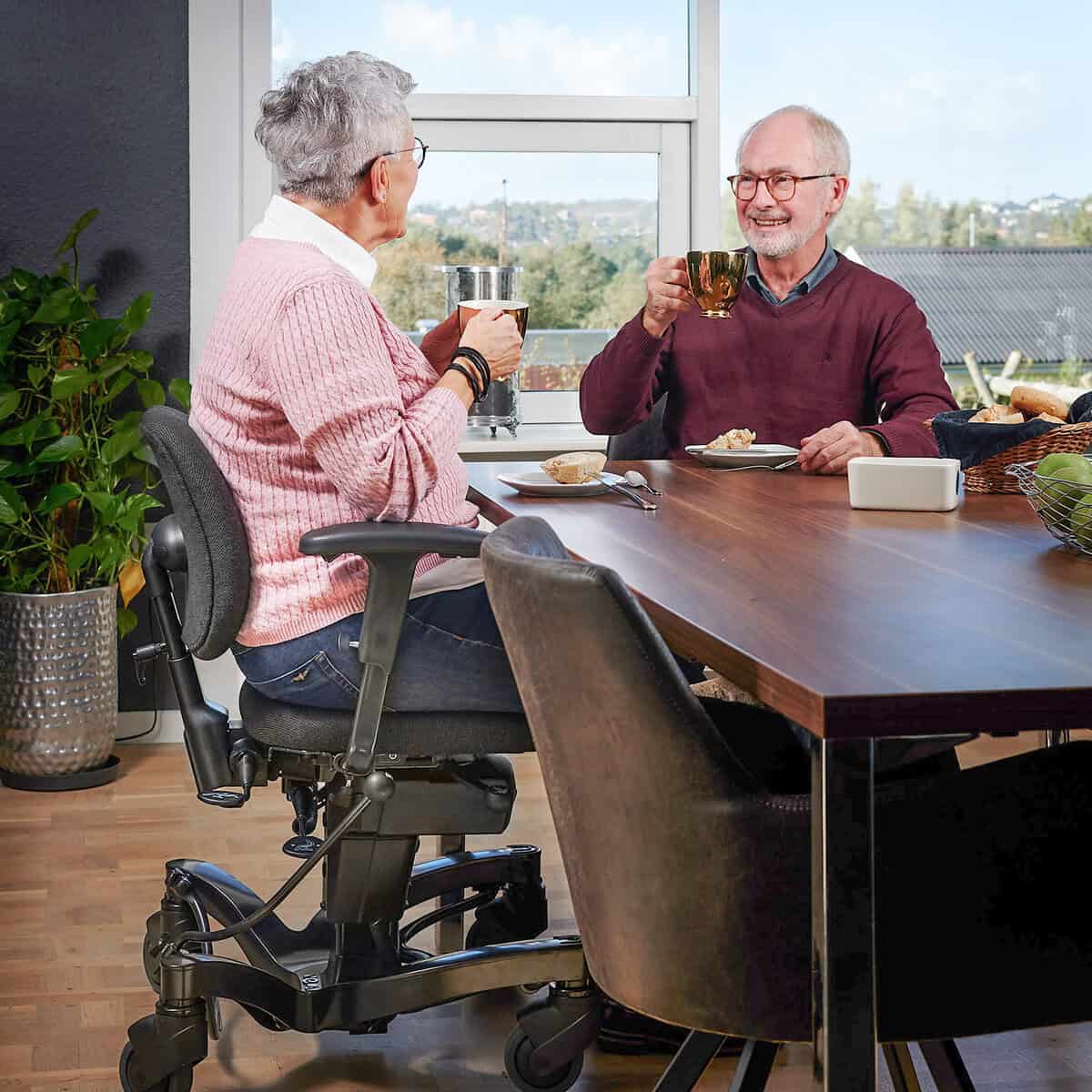
As nursing homes grapple with challenges such as staffing shortages, creative solutions are essential to aid older adults in remaining independent at home and improving the quality of life. VELA Independence Chairs are an effective solution in this realm. These medically approved mobility chairs are specifically designed for home use, providing enhanced safety, freedom of movement while seated, and critical support for daily activities like cooking, dressing, and transferring. This design not only promotes independence among older adults but also reduces the strain on informal caregivers who support these daily tasks.
The most recent developments in assistive mobility equipment now include smart wheelchairs and aids equipped with AI features such as health telemetry, predictive safety alerts, and seamless integration with remote monitoring or telehealth platforms. These solutions empower users to manage their mobility proactively and extend independence, while caregivers and healthcare providers can respond more swiftly to any arising risks or concerns.
Everything Medical Online | ButterflyMX | Heisinger Bluffs | Synchrony Financial
Supporting Aging in Place: A Practical Option
Mobility solutions like VELA Independence Chairs offer a viable alternative for elderly individuals wanting to maintain independence at home. These chairs incorporate features such as a central brake for safety, electric height adjustability, and ease of movement, addressing concerns about safety and conserving energy for daily tasks. By allowing easier navigation in activities such as cooking and cleaning, they provide the comfort and autonomy necessary for remaining at home longer. In doing so, they potentially delay the necessity for transitioning into nursing home care, supporting the dignity and freedom valued by many seniors. While VELA is one of several solutions available, it stands out as a proven and practical option within this growing need.
Moreover, these ergonomic and mobility features also significantly alleviate the burden on caregivers, providing them with peace of mind and enabling them to focus on their relationship with the seniors in their care, rather than being solely task-oriented. By investing in such versatile solutions, the quality of life for both seniors and caregivers is enhanced, showcasing a thoughtful approach to modern aging challenges. The incorporation of AI-powered health monitors, telehealth connectivity, and ergonomic design in mobility equipment continues to play a central role in proactive, person-centered senior care.
Heisinger Bluffs | Synchrony Financial