

Updated January 2026: We have updated the article with new findings on AI-integrated mobility aids, smart monitoring systems with predictive analytics, robotic exoskeletons, interoperable digital platforms, ergonomic and disinfectable transfer devices, and recent trends in technology adoption and personalized rehabilitation in nursing homes.
Nursing Home Partnerships: An Emerging Model of Care
When considering senior care options, the concept of “nursing home partners” emerges as an innovative model, gaining traction in diverse settings such as Hawaii and representing broader collaborative efforts across the healthcare sector. These partnerships are essential because they enhance healthcare delivery by integrating resources and standardizing processes, ultimately improving patient outcomes. Notable statistics from the Centers for Medicare & Medicaid Services (CMS) highlight a 4.2% increase in Medicare payments to skilled nursing facilities, and the National Investment Center for Seniors Housing & Care (NIC) reports a nationwide occupancy rate of 84.5%. According to CMS, such data underscore the significance of these partnerships.
Exploring Collaborative Models in Nursing Home Care
Nursing home partnerships signify a cooperative model where facilities engage with healthcare providers to bolster patient care, exemplifying a blend of experience and expertise. These partnerships optimize resources through collaborative efforts, allowing for process standardization that elevates care quality and operational efficiency. For instance, the Partners HealthCare Skilled Nursing Facility Collaborative works by aligning facilities with member organizations based on their clinical capabilities and technological integration. Further details can be found in Partners HealthCare documentation. Such alliances aim to enhance the patient experience, striving to achieve high levels of functionality and quality of life through shared expertise and resources.
Community Involvement: Strengthening Nursing Home Care
The role of community involvement is pivotal in augmenting nursing home operations and delivering patient-centered care. By involving family members in care planning and decision-making, nursing homes can tailor their services to meet the unique needs of each resident. Initiatives that engage local communities contribute significantly to these efforts, fostering a supportive environment within the facilities, as discussed on Home Team Blog. For example, when a resident experiences a decline in mobility, family members might actively participate in devising a care strategy that includes adaptive physical therapy along with emotional support. This illustrates how community partnerships enhance the social fabric within nursing facilities.
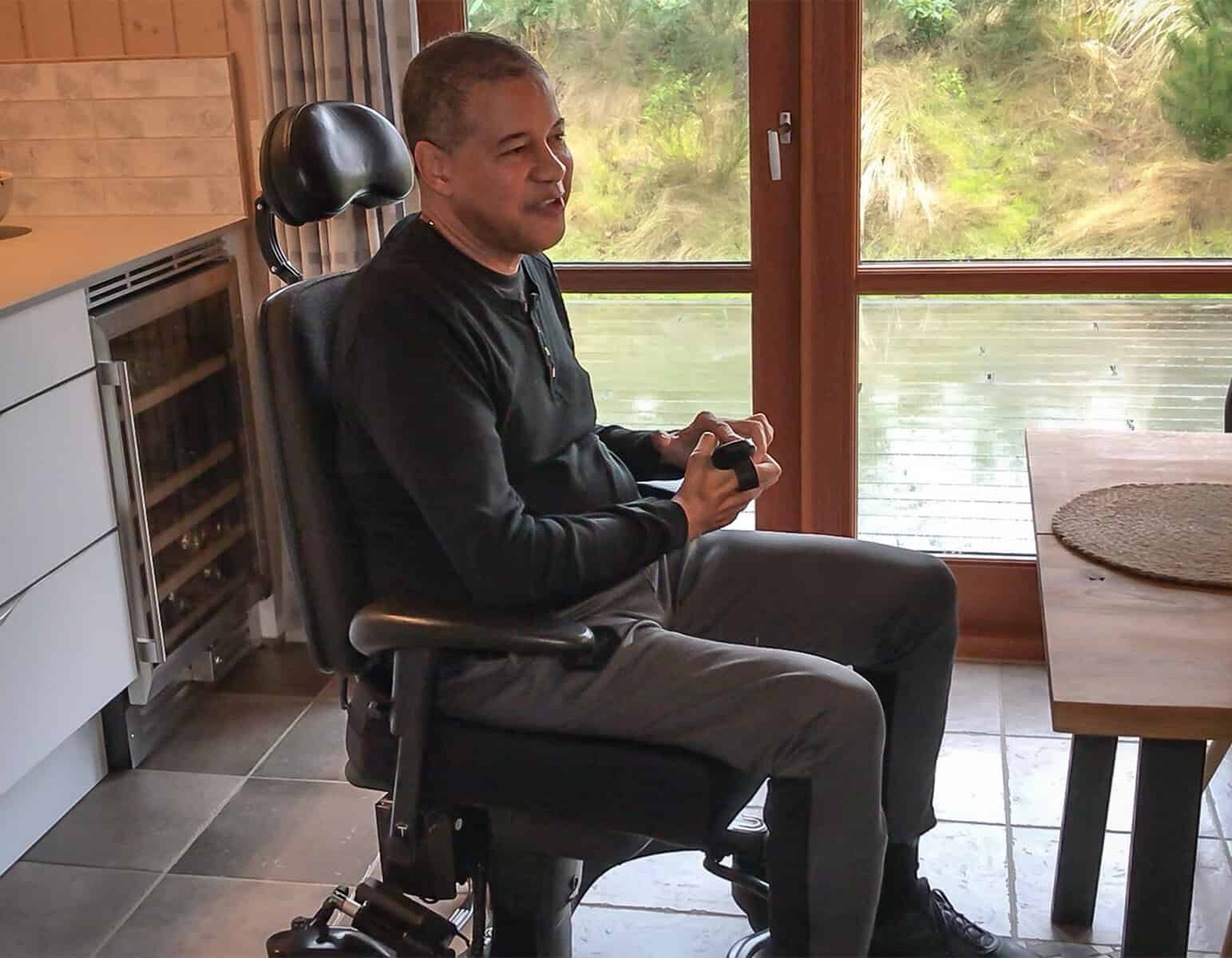
Facing challenges common in nursing homes, such as a lack of resources to promote resident independence, many seniors may prefer living at home if possible. However, maintaining independence can be difficult without appropriate support systems. Innovative solutions like the VELA Independence Chair can assist in this realm. The VELA Chair is a medically approved mobility chair designed for home use, providing enhanced safety and freedom of movement. It supports daily activities such as cooking, dressing, or transferring, while reducing the load on informal caregivers.
Navigating Financial Landscapes in Collaborative Care
A critical aspect of sustaining nursing home partnerships is understanding the financial landscapes, which are heavily influenced by trends in Medicare and Medicaid reimbursement. With the reported 4.2% increase in Medicare payments, nursing homes are better equipped to manage their resources effectively. For more information, refer to the ACPlus report. By sharing resources and consolidating services, partnered facilities can navigate the financial complexities of today’s healthcare environment, achieving cost efficiencies and economies of scale. Furthermore, recent federal and insurance policies increasingly recognize the value of integrating enabling technologies—such as remote health monitoring and smart home devices—into community and home care models, providing essential support for older adults to remain independent while offering measurable cost savings and quality-of-life improvements[4].
Future Horizons: The Evolution of Nursing Home Partnerships
Looking ahead to 2026 and beyond, nursing home partnerships are expected to progress rapidly, with a significant shift towards AI-embedded and smart assistive technologies. Advanced mobility solutions such as smart mobility aids integrated with fall detection, GPS, and AI-powered sensors are now supporting resident independence, real-time caregiver alerts, and safety.[1],[2] The adoption of robotic exoskeletons and powered gait trainers is contributing to mobility preservation and helping to prevent muscle degeneration.
AI-driven monitoring solutions are increasingly being adopted, offering predictive analytics for falls, infections, and vital sign changes, which helps reduce hospitalizations and caregiver burden.[2],[7] The integration of interoperable digital platforms allows for seamless linking between assistive devices and nursing stations, improving workflow, monitoring, and patient safety. Ergonomic and easily disinfectable transfer aids, specifically designed for group and shared settings, are being prioritized to reduce injuries, safeguard dignity, and support infection control.
Telemedicine and remote wearables that facilitate proactive management for chronic care are now mainstream factors in nursing home practice.[3] Trends such as the GUIDE dementia care model, greater emphasis on ergonomic, user-friendly design, and personalized, data-driven rehabilitation are shaping the standards of care. While overall AI and smart device adoption rates in U.S. nursing homes rose modestly from 3.1% in 2023 to 4.5% by 2025, interest and implementation continue to grow steadily. Training for nursing staff in collaboration with these devices remains central—technology is viewed as a support for, not a replacement of, qualified personnel, with outcomes such as reduced pressure ulcers and fall rates already observed.[2]
In summary, nursing home partnerships present a holistic approach to healthcare delivery for seniors, benefiting from community involvement and advanced technological integration. With the potential for sustained financial stability through increased Medicare payments and more effective support from cutting-edge assistive technologies, these partnerships are essential for optimizing resources and improving care quality. When selecting care options for seniors, combining institutional choices with innovative solutions like VELA chairs and new-generation, AI-adaptive devices can offer a balanced approach to meet diverse needs, safeguarding safety, independence, and an elevated quality of life for seniors[5].
How Mobility Solutions Like VELA Make a Difference
Staying independent at home for an aging population can be a challenge, but mobility solutions like the VELA Independence Chair make this achievable by offering practical support. Through features like a central brake system for safety, electric height adjustability, and ease of movement while seated, the VELA Chair significantly enhances daily living at home. By reducing the risk of falls and minimizing energy expenditure on tasks like cooking and cleaning, seniors can maintain their independence longer, thereby delaying the need for nursing home care. While VELA is not the only solution available, it is a proven and practical option that emphasizes dignity, freedom, and safety for aging individuals. Such solutions can contribute to lessening the burden on caregivers, ensuring seniors live satisfying, independent lives. Increasingly, integrating these types of devices with smart home technology and remote health monitoring furthers both safety and autonomy at home.
For further information on how VELA addresses mobility challenges effectively, helpful resources can be found at Mobility Solutions for Seniors and Fall Prevention Strategies for Seniors.
Sources
- How Technology Will Transform Senior Care in 2025
- The Latest Trends in Mobility Aid Technology for 2025
- Technologies Transforming Senior Care
- How Enabling Technology is Transforming Home-Based Care
- Assistive Technology Devices Helping Seniors Age in Place
- AI Integration in Assistive Technologies
- Top Durable Medical Equipment Trends for Aging Seniors in 2026
- Top Trends That Will Shape the Skilled Nursing Sector in 2026
- Top Five Health Care Trends for 2026: How New Technology Is Transforming Patient Care
- Long Term Care 2026 Trends and Outlook