

Updated January 2026: We have updated the article with new advances in AI-powered assistive devices and smart mobility aids, the latest regulatory changes affecting nursing homes—including rescinded federal staffing mandates and revised CMS Five Star rating criteria—and recent trends in VR/AR therapy, wearables, and Philadelphia’s adoption of cutting-edge technologies such as 5G/IoT remote monitoring for enhanced care and independence.
Navigating Nursing Home Options in Philadelphia
Navigating the journey to find an appropriate nursing home can be daunting, especially in a vibrant city like Philadelphia—the largest city in Pennsylvania, known for its diverse healthcare offerings. For families seeking quality nursing home options in this area, it is essential to consider key factors such as cost, quality ratings, levels of care, and available services. According to Medicare.gov Care Compare, the median cost for a private room in a nursing facility nationwide is $361 per day, while a semi-private room costs $314 per day. Although Philadelphia’s prices might fluctuate, they generally align with these national figures.
Navigating Philadelphia’s Nursing Home Landscape
When scrutinizing nursing home options in Philadelphia, it’s important to understand the variety of choices available and their distinct offerings. From facilities nestled near the historic districts to those integrated into bustling, modern neighborhoods, Philadelphia presents a wide variety of nursing facilities, underscoring the importance of Medicare and Medicaid coverage. The Centers for Medicare & Medicaid Services (CMS) uses a Five-Star Quality Rating System to evaluate nursing homes on metrics like health inspections, staffing, and quality measures. As of July 2025, CMS has revised its Five Star Quality Rating methodology to include only the two most recent health inspections and now publishes chain-wide nursing home ratings, promoting increased transparency and consumer-friendly reporting. This tool is invaluable for families wanting to make informed choices. Many local families share personal stories and emphasize the role of firsthand visits and consultations in effectively evaluating their options.
Philadelphia’s Leading Nursing Homes: Quality and Care
Philadelphia is home to several top-tier nursing facilities. St. Luke’s Rehabilitation and Nursing Center, for example, is renowned for its exceptional staffing ratios and specialty care services. In general, high-rated facilities often feature superior staffing ratios and affiliations with specialty rehabilitation programs, ensuring personalized and high-quality care for residents. In 2026, federal minimum nurse and aide staffing hours per resident day are no longer mandated, following the nationwide rescission of CMS minimum staffing requirements. However, facilities are still required to assess resident acuity and adjust staffing as appropriate. Recent regulatory changes also clarify the responsibilities of medical directors and admission policies, supporting compliance and enhancing quality of care.
Modern Philadelphia nursing homes increasingly adopt advanced technologies such as AI-powered assistive devices—including smart walkers, robotic mobility aids, and predictive fall detection platforms—which support individualized care and help reduce preventable hospitalizations. Facilities are also integrating other innovations like 5G and IoT remote monitoring, enabling real-time oversight and swift intervention for residents at risk, particularly those with disabilities or high mobility needs. Trends further include virtual and augmented reality (VR/AR) for rehabilitation and wearable sensors that track health metrics, underlining the shift toward tech-enabled, person-centered support. These tools reflect a broader industry pivot toward maximizing independence with smart technology amid ongoing workforce shortages.
ButterflyMX, 2025
CMS.gov, 2025
Reed Smith, 2025
The CMS Special Focus Facility Program highlights nursing homes with significant quality issues, aiding potential residents in avoiding centers with documented concerns.
The Financial Landscape of Nursing Home Care in Philadelphia
Understanding the financial implications of nursing home care is crucial, given Philadelphia’s costs are substantial. According to SeniorLiving.org, Philadelphia’s nursing homes often figure within the mid-to-high range of national averages, with private room costs generally hitting around $10,965 monthly and semi-private rooms at approximately $9,555 monthly. Options like Medicare, Medicaid, and private pay offer diverse ways for families to cover these expenses. Due to recent legislative changes and the extended revalidation deadline (now January 1, 2026), families are advised to verify facility Medicaid status and plan for possible gaps in benefit coverage. Local experience suggests that recent policies, such as the “Big Beautiful Bill,” may lead to minor timing delays in benefit approvals, so temporary cash bridge arrangements may be needed for a seamless transition. Family case studies often underline the importance of thorough financial planning when navigating these costs.
Reed Smith, 2025
Exploring Alternatives: Home-Based and Part-Time Care in Philadelphia
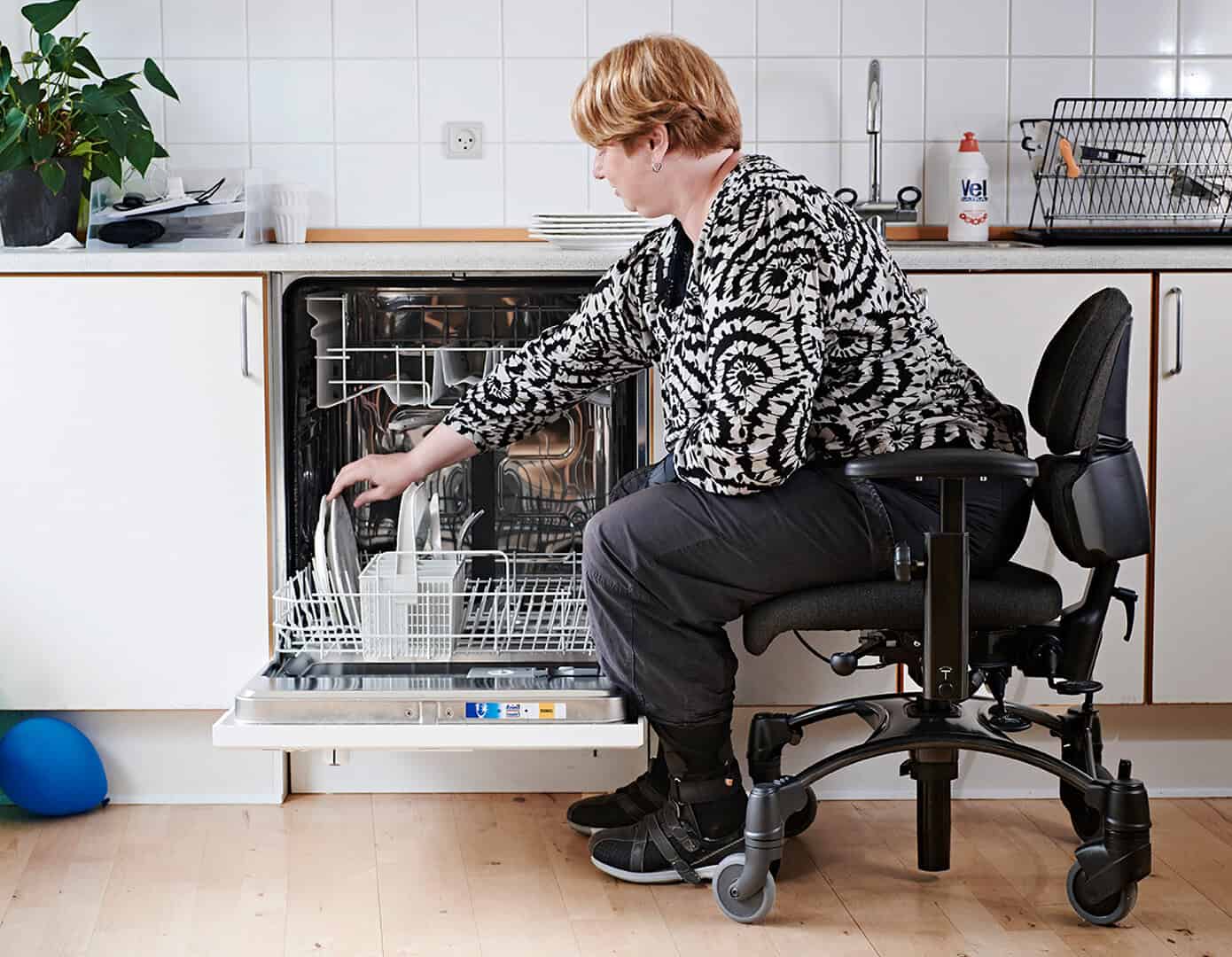
Given these complexities and the substantial cost of nursing home care, many Philadelphia families look toward alternatives that empower older adults to maintain independence and dignity at home. Advances in assistive technology, such as AI-powered smart wheelchairs with GPS navigation, collision detection, real-time health monitoring, and adaptive controls that learn user behavior, are now supporting residents with disabilities or reduced mobility both in nursing homes and at home. Smart home systems—leveraging voice assistants, smart lighting, and integrated IoT sensors—can enable safer, more independent living for seniors. Wearable devices and VR/AR platforms for rehabilitation are gaining traction, providing engaging, personalized therapy and monitoring at home. One solution is the VELA Independence Chair, a medically approved mobility chair designed for home use. It provides enhanced safety and freedom of movement while seated and supports daily activities such as cooking, dressing, or transferring, thereby reducing the load on informal caregivers. These inclusive technologies contribute to a broader trend toward person-centered, tech-enabled aging in place.
EverythingMedicalOnline, 2025
SynchronyFL, 2025
UnitedHealthcare Community & State, 2025
Reed Smith, 2025
ButterflyMX, 2025
Staying Independent at Home with Support
VELA Independence Chairs play a transformative role in helping seniors remain in their homes longer by offering a blend of safety, mobility, and self-sufficiency. These chairs are equipped with features such as a central brake system that enhances safety, electric height adjustability for ease in transferring, and smooth movement while seated. With the growing adoption of smart mobility devices and predictive analytics that anticipate health risks by tracking behavior and mobility patterns, timely interventions can help prevent falls and health decline. Telehealth services and remote health monitoring are now common, allowing real-time vital sign tracking and continuous connection to healthcare providers, which helps reduce hospitalizations and support independence. Wearables, AI, and 5G remote connectivity are strengthening the safety net for Philadelphia seniors choosing to age in place.
This mobility solution addresses common challenges faced by the elderly, such as fall risks and the effort required to perform daily tasks. By preserving energy and reducing hazards, VELA chairs allow seniors to enjoy activities like cooking, cleaning, and relaxing with greater ease, potentially delaying the transition to nursing home care. While no single solution fits every situation, VELA Independence Chairs represent a proven, practical option for supporting aging in place, promoting freedom, dignity, and enhanced quality of life. For additional insights about how furniture can improve mobility and safety, reference Fall Prevention in Nursing Homes to explore practical applications in both home and professional care environments.
ButterflyMX, 2025
Reed Smith, 2025