

Updated September 2025: We have updated the article with the latest developments in neurological-based rehabilitation approaches, integration of AI and telehealth technologies, VR-assisted therapy, and holistic, preventive care trends in nursing home physical therapy. The article now also reflects current best practices in fall prevention, the rise of personalized, data-driven therapy, and strategies to address workforce challenges.
The Role of Physical Therapy in Nursing Home Care
Physical therapy is indispensable in nursing home settings, serving as a fundamental pillar to enhance and sustain residents’ quality of life. Through specialized interventions such as rehabilitation, mobility training, and fall prevention, physical therapy empowers residents to regain independence and improve functional abilities. These interventions significantly enhance residents’ physical health and emotional well-being. According to the American Physical Therapy Association (APTA), physical therapy encompasses more than just exercises—it’s a holistic approach tailored to cater to each resident’s unique needs (APTA).
For instance, in a nursing home environment, a resident who once relied entirely on a wheelchair might gradually progress to walking with minimal assistance through a tailored physical therapy program. These transformations, often shared by experienced physical therapists, showcase the profound impact specialized therapeutic interventions can have on enhancing residents’ mobility and confidence.
Current Physical Therapy Workforce Challenges in Nursing Homes
The demand for physical therapy services in nursing homes often surpasses the available workforce capacity. As reported by the APTA, there was a shortage of 12,070 full-time physical therapists in 2022, with projections indicating an increase to 19,700 by 2027 (APTA Physical Therapy Supply and Demand Forecast). This shortage severely challenges the maintenance of high-quality care and the ability to meet residents’ needs.
Moreover, regional disparities further exacerbate these challenges. According to McKnight’s Long-Term Care News, there are significant geographic imbalances in the availability of physical therapists, leading to care gaps in certain regions. Nursing home administrators frequently identify staffing struggles as a major barrier, resulting in depleted resources and amplified strain on current staff. In practice, this may lead to delays in resident care or limited therapy session availability, ultimately affecting resident outcomes. To address these workforce challenges and an increasing elderly population, facilities are turning to advanced technologies and innovative therapy delivery models that help manage higher patient loads efficiently without sacrificing quality (Net Health, 2025).
Impact of Medicare Reimbursement Changes on Physical Therapy Services
Changes in Medicare reimbursement are poised to substantially impact the delivery of physical therapy services. The Centers for Medicare & Medicaid Services (CMS) announced a 2.83% reduction in reimbursement rates for physical therapy in 2025 (CMS). Such financial shifts could impede nursing homes’ operational capabilities, potentially curtailing the range of physical therapy services accessible to residents.
In response to these challenges, many nursing homes are actively seeking innovative models to adapt. By integrating telehealth services and optimizing the use of physical therapist assistants, facilities can continue providing essential services without compromising quality. Real-world examples include facilities employing virtual therapy sessions to reach more residents effectively, ensuring continuous care while navigating fiscal limitations. The adoption of hybrid and remote models has expanded access to therapy, enabling broader and more flexible care delivery (PR Newswire, 2025).
Future Trends in Nursing Home Physical Therapy Delivery
The future landscape of physical therapy in nursing homes is evolving with emerging trends and innovations. The APTA forecasts that the demand for physical therapy services will grow faster than the population, necessitating creative solutions to mitigate staffing shortages and bolster service delivery (APTA Physical Therapy Supply and Demand Forecast).
Recent advancements emphasize a neurorehabilitation paradigm focused on retraining the connections between the brain and body, utilizing neuroplasticity-based therapies. Specialized devices such as the NEUBIE have demonstrated promise for both orthopedic and neurological patients by leveraging electrical stimulation to enhance natural movement patterns and support functional recovery (NeuFit, 2025). Personalized, data-driven therapy programs are now made possible with artificial intelligence, which enables real-time feedback, customizes exercises to unique patient biomechanics, and predicts injury risk to optimize outcomes (Sprypt.com, 2025).
Innovations such as virtual reality for therapeutic exercises and robotic aids for rehabilitation are anticipated to revolutionize therapy delivery. For instance, VR technology allows residents to engage in immersive rehabilitation sessions, boosting engagement and recovery rates, while smart health devices offer continuous monitoring to support independence and safety (Shepherd Premier Senior Living, 2025). These advancements promise to enhance therapy provision and could potentially bridge the staffing gap, enabling therapists to manage a larger caseload effectively. Telehealth and hybrid care models further expand access, providing vital continuity of care outside traditional therapy settings (Great Northern Rehab, 2025).
Enhanced Fall Prevention and Inclusive Design
Fall prevention continues to be a central priority in nursing homes. Recent best practices integrate comprehensive risk assessments, regular staff education, and environmental modifications, such as properly installed handrails and non-slip flooring, to create a safer living environment (Lisclare, 2025). The adoption of smart monitoring devices and ergonomic, inclusive design principles further supports mobility and safety, reinforcing independent living and reducing risk factors for falls.
Integration of VELA as a Mobility Solution
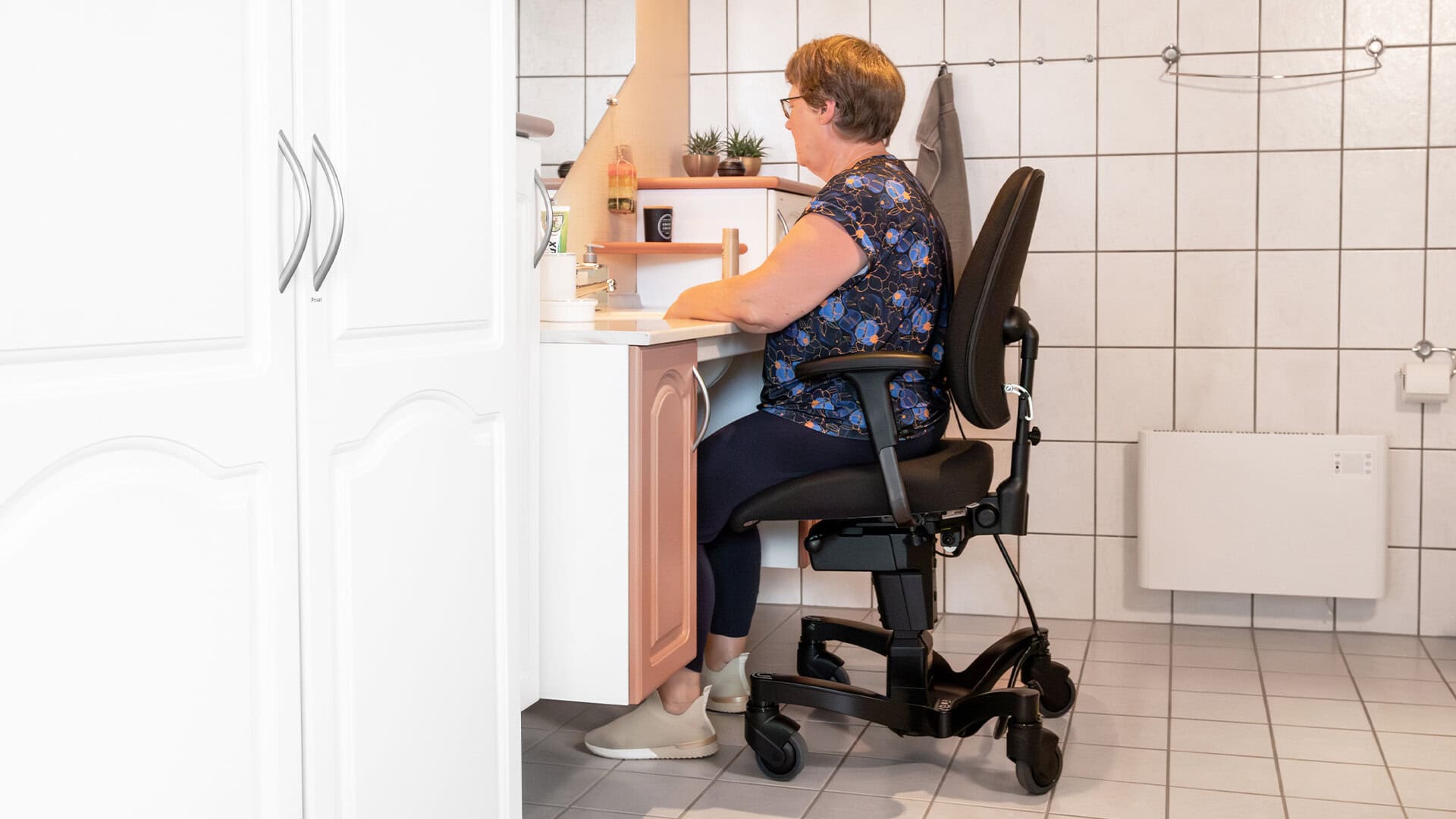
Addressing the multifaceted challenges in nursing homes, solutions that empower older adults to remain independent in their homes are increasingly vital. One promising option is the VELA Independence Chair, a medically approved mobility chair designed for home use. It offers enhanced safety and freedom of movement while seated, which supports daily activities like cooking, dressing, or transferring. This aids in reducing the caregiving load on informal caregivers. By keeping the focus on independence and providing necessary support, the VELA Chair emerges as a practical tool to help seniors maintain a good quality of life at home.
Impact of PT Services on Resident Outcomes and Community Discharge
Physical therapy services play a critical role in facilitating successful community discharges and improving overall resident outcomes. According to the Medicare Payment Advisory Commission (MedPAC), skilled nursing facilities must prioritize improving discharge rates to enhance care and facilitate resident reintegration into the community (MedPAC).
Nursing homes with robust physical therapy programs often achieve higher discharge success. This success is frequently attributed to a focus on continuity of care and personalized rehabilitation plans. Enhanced physical therapy services, such as tailored exercise regimens and balance training, can reduce readmission rates and promote a stronger recovery post-discharge, ultimately supporting residents’ reintegration into the community. The trend toward holistic care now means that therapy plans frequently incorporate mental health support and lifestyle adjustments, further boosting long-term outcomes (Great Northern Rehab, 2025).
Supporting Aging in Place: A Practical Option
For many older adults, the goal is to remain independent at home for as long as possible, and tools like the VELA Independence Chair make this feasible. The chair’s features directly address common issues such as safety and ease of movement. Notably, its central brake ensures safety, while electric height adjustability aids in tasks like cooking and cleaning, reducing falls risk and conserving energy. Living life with a VELA Chair can profoundly shift everyday experience—household chores become manageable, and relaxation is more accessible. This smart seating solution helps delay the need for nursing home care, providing both dignity and a sustained sense of freedom. While several options exist to support aging in place, the VELA Chair remains a practical, proven choice for many seeking independence and safety at home.