

Updated January 2026: We have updated the article to include the December 2025 repeal of minimum staffing standards for long-term care facilities and January 2026 CMS billing and quality measure updates, highlighting regulatory shifts that may affect compliance and reinforce the importance of mobility solutions and adaptive devices in senior care.
Navigating Nursing Home SIC Codes and Emerging Mobility Solutions
Understanding the SIC (Standard Industrial Classification) code system is essential for accurately classifying nursing homes and ensuring regulatory compliance. SIC codes play a crucial role in distinguishing between different types of eldercare facilities, impacting how these facilities are regulated and operate within the healthcare industry. According to the National Investment Center for Seniors Housing & Care, the rising demand for eldercare services has led to occupancy rates reaching 84.5% in Q3 2024. This underscores the importance of comprehending how nursing homes are classified and aligning operations with these classifications.
What Is the SIC Code for Nursing Homes?
According to the NAICS Association, nursing homes are primarily classified under SIC code 8059, which encompasses “Nursing and Personal Care Facilities, Not Elsewhere Classified.” This classification is for establishments providing nursing or health-related care but not the full scope of services available in skilled care facilities. SIC code 8051 is designated for “Skilled Nursing Care Facilities,” which provide comprehensive health and nursing care services, as noted by the U.S. Securities and Exchange Commission and detailed by the SIC Code. Recent regulatory developments from the Centers for Medicare & Medicaid Services (CMS) have introduced updated reporting and compliance standards specifically affecting facilities under these SIC codes (CMS Memo QSO-25-20-NH).
It’s important to understand the distinction between SIC and NAICS (North American Industry Classification System) codes. While SIC codes are traditionally used within the U.S., NAICS offers a more contemporary classification system used across North America. The U.S. Census Bureau notes that NAICS code 623312 specifically covers “Assisted Living Facilities for the Elderly.”
How Are Nursing Homes Classified Under SIC and NAICS?
The classification of nursing homes under SIC and NAICS codes is critical for regulatory compliance, particularly in billing and licensing processes. According to the OSHA SIC Manual, these codes not only differentiate between facility types but also guide facilities in fulfilling various operational requirements. For instance, a skilled nursing facility under SIC code 8051 must meet specific Medicare and Medicaid billing standards, unlike those classified under SIC code 8059, which face different compliance demands. Recent CMS updates, effective October 2025, require facilities to account for chain-level performance and use revised inspection rating cycles, having direct implications for ongoing compliance and quality reporting (CMS Memo QSO-25-20-NH).
Key Industry Trends and Data for Nursing Homes
The nursing home industry is experiencing significant transformations due to evolving policies and demographic changes. Occupancy rates have increased as baby boomers age, and industry trends show a growing focus on reimbursement structures and policy shifts affecting SIC code utilization. These elements directly influence facility categorization and funding, as reported by NIC. Additionally, the latest CMS regulations emphasize greater transparency in quality reporting and updated clinical guidelines recommend regular reassessment of care and assistive technologies by multidisciplinary teams for optimal compliance and resident outcomes.
Adapting to these changes is crucial for maintaining compliance and optimizing operations. Facilities must stay informed about regulatory developments, including data reporting improvements and the shift towards two most recent inspection surveys, to ensure they align with industry best practices and sustain high-quality care delivery.
Alternatives to Traditional Nursing Homes: The Role of Mobility Solutions
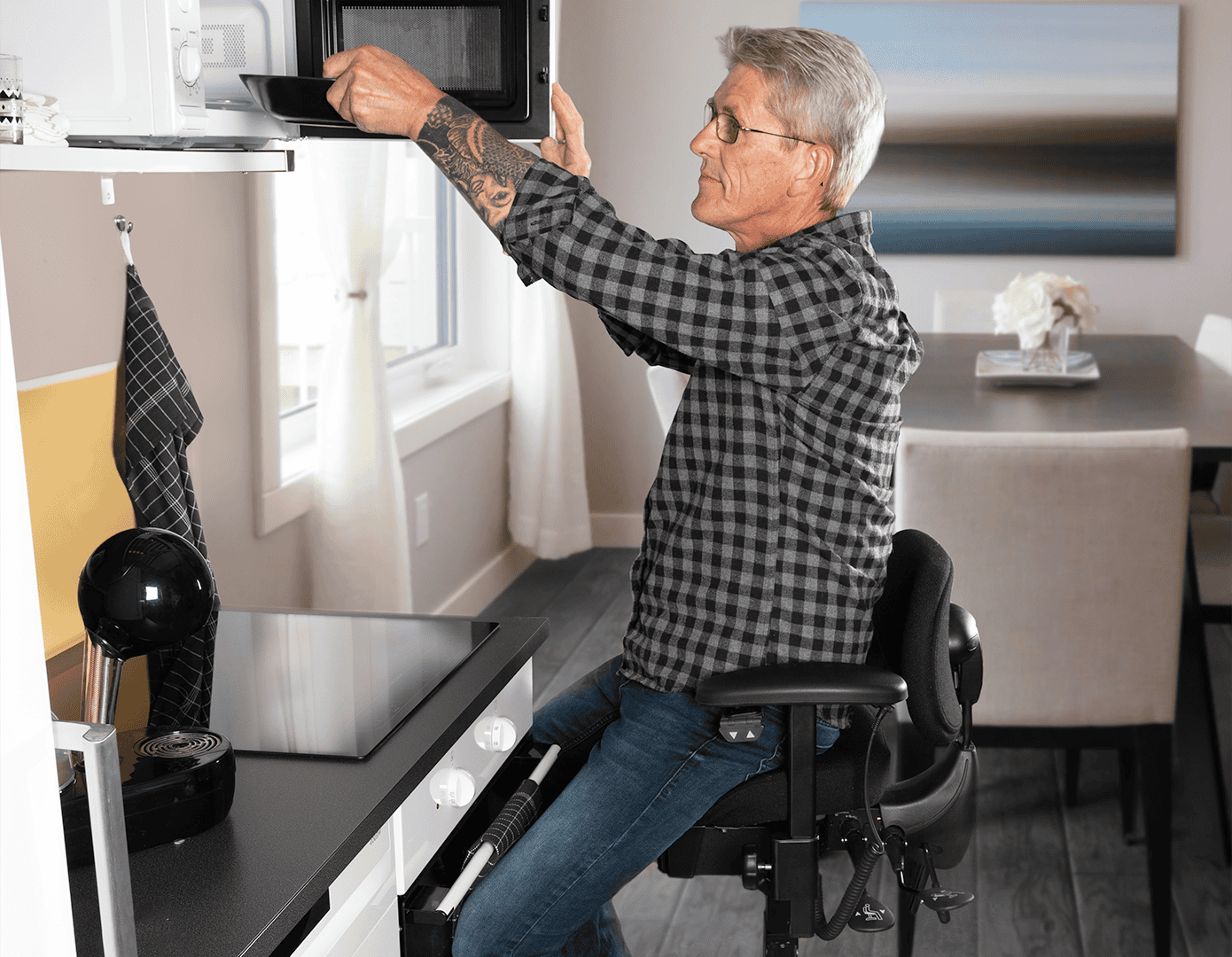
When considering alternatives to the challenges posed by traditional nursing homes, it’s important to explore solutions that allow older adults to maintain their independence in a familiar environment. One poignant solution is the VELA Chair, a medically approved mobility chair designed for home use. This innovative chair enhances safety and freedom of movement while seated, providing vital support for daily activities such as cooking, dressing, or transferring. By easing the physical demands on both the user and informal caregivers, the VELA Chair encourages aging in place, thus delaying the need for higher-acuity institutional care.
The Importance of Balancing Traditional and Innovative Care
The landscape of eldercare is evolving, with traditional nursing homes coexisting alongside modern alternatives like VELA chairs. Both play vital roles in addressing the diverse needs of the aging population. Recent advances in assistive technology highlight the importance of inclusive, user-centered design and ergonomic features, resulting in greater comfort, adaptability, and cultural appropriateness for a broad range of residents. Personalized, technology-enabled rehabilitation, such as robotic-assisted therapy and sensor-integrated mobility aids, is becoming standard practice for supporting functional independence and recovery within nursing home settings. Understanding how SIC codes influence the classification and operation of nursing homes is paramount for providers aiming to deliver quality care. Likewise, exploring innovative solutions, such as adaptive seating, can significantly enhance the aging experience by fostering independence and reducing reliance on institutionalized care.
It is noteworthy that, as of December 2025, the Centers for Medicare & Medicaid Services (CMS) issued an interim final rule repealing minimum staffing standards for long-term care facilities (Federal Register: Repeal of Minimum Staffing Standards). This regulatory change reduces certain compliance burdens, potentially shifting greater focus toward technology and adaptive devices to help address gaps in care and resident needs. In addition, CMS introduced January 2026 updates to Skilled Nursing Facility Consolidated Billing (Part B MAC) and Nursing Home Compare quality measures, including new HCPCS codes for remote therapeutic monitoring and revised antipsychotics quality measures (effective January 28, 2026), which further support the integration of innovative care approaches (CMS: 2026 Part B SNF Consolidated Billing Updates; CMS Compliance Group: January 2026 Nursing Home Compare Users’ Guide).
In conclusion, integrating traditional care practices with novel mobility solutions and staying current on regulatory standards is essential for meeting seniors’ complex needs while ensuring compliance and operational efficiency in the nursing home industry. Regular reevaluation of assistive devices and ergonomic interventions by multidisciplinary teams further strengthens outcomes and compliance with quality standards. This balanced approach will continue to drive the development of eldercare services, catering to individual preferences and enhancing the quality of life for our aging population.
How Mobility Solutions Like VELA Make a Difference
Using a VELA Chair can significantly impact the quality of life for older adults opting to remain in their homes. This adaptive seating solution addresses critical issues such as safety, energy conservation, and ease of movement. With features like a central brake for stability, electric height adjustability for seamless transfers, and smooth maneuverability while seated, it offers unparalleled support for daily tasks. These functionalities help reduce the likelihood of falls and injuries, making home life safer and more accessible. Furthermore, by alleviating physical strain, the VELA Chair can delay the transition to nursing homes, allowing individuals to enjoy the dignity, freedom, and comfort of their own space longer. Although VELA is not the only solution, its proven efficacy and user-centered, ergonomic design, in line with recent evidence and guidelines, make it a practical option for those aiming to balance independence with effective care (Mobility Solutions for Elderly Care).