

Updated January 2026: We have updated the article to include the latest trends in assistive technology for nursing home care, such as AI-driven monitoring, wearables, smart devices, and inclusive design for mobility and safety. The article now reflects how these innovations are being integrated by nursing staff to enhance care quality, independence, and efficiency, including personalized rehabilitation and ethical considerations.
Nursing Home Staff: Roles, Demographics, and Trends
Nursing home staff form the backbone of care delivery for our elderly population, ensuring that residents receive the comprehensive medical and supportive attention they need. Nursing home teams are composed of various roles critical to the smooth functioning of these facilities. Common positions include Registered Nurses (RNs), Licensed Practical Nurses (LPNs), Certified Nursing Assistants (CNAs), and administrative personnel. According to AHRQ, nursing assistants and aides make up 27% of staff, licensed nurses 19%, and direct care staff 13%.
The demographic composition of nursing home staff is diverse, incorporating a wide range of ages, genders, and ethnic backgrounds, which contributes to a rich and multifaceted working environment. This diversity extends to tenure, with about 25% of staff boasting over 11 years of service at a single facility AHRQ. As highlighted by the U.S. Bureau of Labor Statistics, there is a projected growth in employment for these roles, signifying an increasing demand for skilled workers in a post-pandemic landscape.
Current Challenges in Nursing Home Staffing
Nursing homes are currently grappling with significant staffing challenges. A substantial 84% report shortages, while 96% face hiring difficulties, according to The Senior List. This shortage often results in the heart-wrenching dilemma of having to turn away potential residents due to inadequate staffing—54% of homes report experiencing this issue The Senior List.
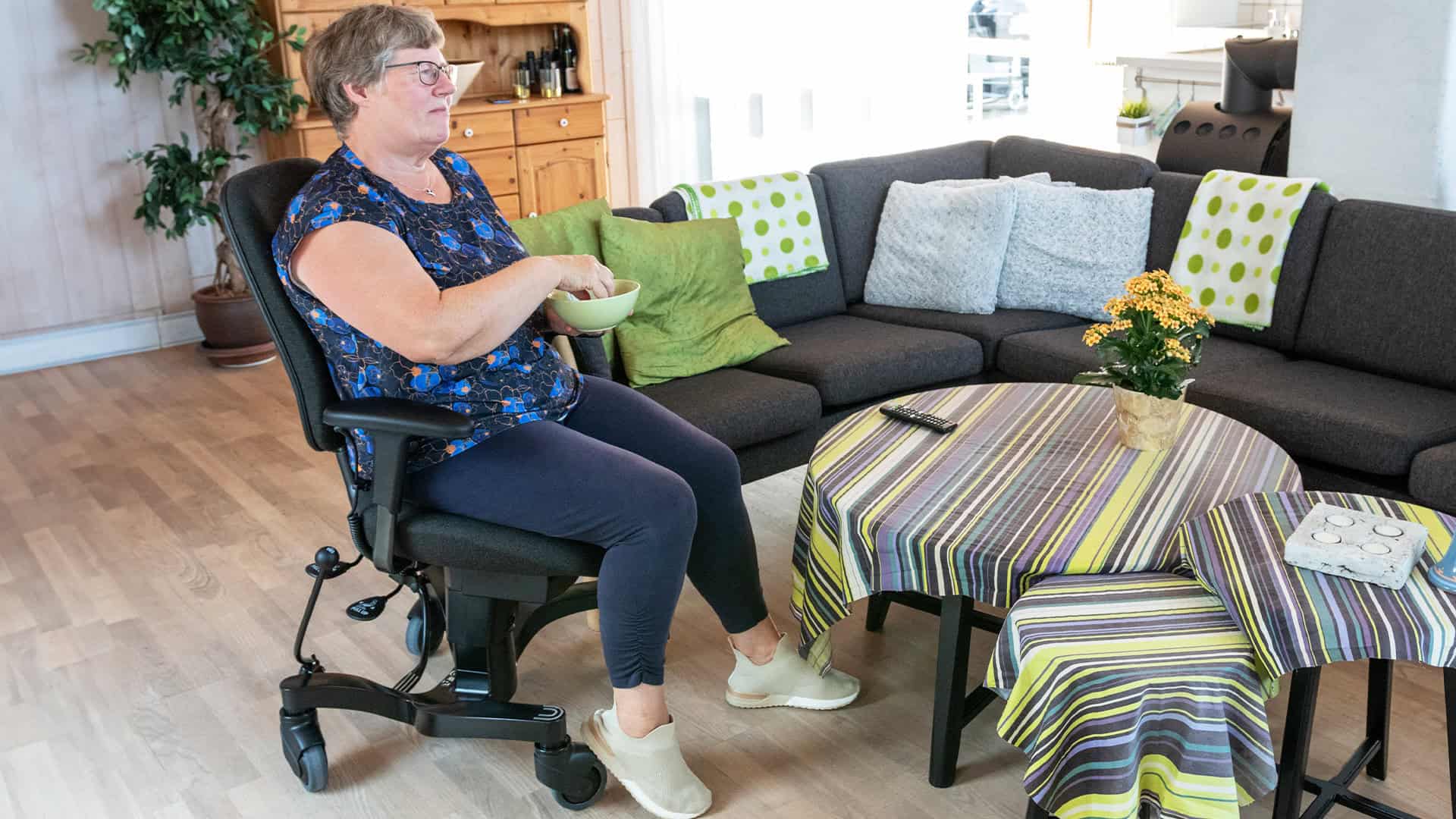
High staff turnover rates further exacerbate these challenges. The AHCA/NCAL predicts that staffing levels may not return to pre-pandemic status until 2027. Contributing factors to turnover include challenging working conditions, inadequate support, and insufficient wages. In response, many facilities are exploring innovative solutions to manage these difficulties, such as the introduction of specialized equipment to aid mobility and reduce physical strain on staff. Recent trends show that smart assistive devices, including wheelchairs equipped with GPS, voice control, and collision-avoidance features, are becoming more common in nursing home and senior care settings. Facilities are also increasingly adopting AI-powered analytics for better fall risk assessment and optimizing staffing levels, along with remote health monitoring and telehealth, now central to modern care delivery. The mainstream adoption of wearables and smart monitoring systems allows nursing homes to track residents’ vital signs and activity levels in real-time, supporting preventative care and reducing staff burden.[1][2][3][6][9] As these challenges persist, families increasingly seek alternatives that allow older adults to remain independent at home, minimizing their need for residential care facilities and the ensuing staffing pressures. The VELA Independence Chair emerges as a notable solution, offering a medically approved mobility chair designed for home use. It promotes enhanced safety and freedom of movement while seated, supporting daily activities like cooking, dressing, or transferring. By reducing the physical load on informal caregivers, devices like the VELA Chair offer a practical means to support seniors in maintaining their independence.
Impact of Staffing Levels on Resident Care
The correlation between staffing levels and the quality of care provided in nursing homes is unmistakable. Adequate staffing ensures residents receive personalized attention, leading to better health outcomes, whereas insufficient staff can result in neglect and increased safety risks. The CMS stresses the significance of maintaining staffing standards to uphold quality care. Moreover, the demographic makeup of staff plays a pivotal role in resident outcomes, where a diverse staff can enhance cultural responsiveness and care quality. Integration of smart devices and AI-assisted monitoring now enhances safety and care precision, helping staff respond quickly to evolving resident needs and streamlining routine care through predictive tools and remote monitoring.[1][2][3][6][7][9] AI is being used for predictive assessment of mobility declines and behavioral risks, supporting earlier interventions and more personalized rehabilitation plans led by nurse practitioners.[1][4][6][7][9]
Retention, Turnover, and Workforce Development Strategies
Effective management of workforce challenges involves strategic efforts in recruitment, training, and retention. Improving working conditions, offering competitive compensation, and internal promotions are strategies that foster employee loyalty and reduce turnover. Investment in continuous professional development and education opportunities is also crucial.
Technology and innovations serve as essential tools in addressing workforce issues. The MakeShift Blog highlights that technology in scheduling and care delivery can lower turnover rates. Adaptive equipment like ergonomic chairs can reduce physical demands on staff, thereby supporting job satisfaction and retention. The most recent advances now include mainstream AI-driven wearables for continuous mobility and health monitoring, as well as smart home devices with motion sensors for contactless observation. These inclusive designs greatly benefit residents with reduced mobility, allowing for enhanced independence and early risk detection.[1][3][6][7][9] Nurse practitioners are increasingly involved in leading technology adoption, ensuring ethical integration into daily care routines and guiding digital literacy efforts among staff.[1][7] Rehabilitation and activity tracking have expanded beyond the facility, supporting “hospital at home” models and proactive care for higher acuity needs.[4][6][7][9] While these solutions offer enormous potential to improve staff efficiency and resident well-being, their adoption is tied to digital literacy, data privacy standards, inclusive development, and affordability—issues now recognized as central by experts and policy makers.[1][3][6][7][9]
Frequently Asked Questions about Nursing Home Staff
- What Roles Do Staff Members in Nursing Homes Typically Have?
Nursing homes employ RNs, LPNs, CNAs, support staff, and administrators, each playing a vital role in resident care. - How Severe Are Staffing Shortages and What’s Being Done to Address Them?
Staff shortages are widespread, prompting facilities to explore technology and innovations such as AI-powered analytics, smart mobility devices, remote health monitoring, and inclusive smart home systems to manage workload effectively and improve staff retention.[1][2][3][4][6][7][9] - How Do Staff Demographics Impact Resident Care?
A diverse staff can bring varied perspectives and enhance care quality, fostering a culturally responsive environment. - What Qualifications Are Required for Different Staff Roles?
CNA positions frequently require certification, while RNs and LPNs need formal nursing degrees and appropriate licensing. - How Do Turnover Rates Affect Nursing Home Operations?
High turnover disrupts continuity of care and increases recruitment and training costs, impacting overall facility performance.
Empowering Nursing Home Staff for Better Resident Care
In conclusion, nursing home staff are vital for providing quality elderly care, yet they face numerous challenges like staffing shortages and high turnover. By adopting innovative solutions, such as specialized equipment and supportive workforce strategies, facilities can empower their staff, ensuring high-quality care for residents. The adoption of AI-powered tools, smart mobility aids, wearables, and telehealth services is now vital to achieving efficient care delivery and supporting staff in day-to-day operations. Nurse practitioners and multidisciplinary task forces are driving ethical and inclusive implementation of these technologies for improved outcomes. Balancing internal improvements with alternative care solutions will stabilize staffing levels and enhance the overall care experience. Addressing challenges tied to digital literacy, privacy, equitable access, and ethical AI use remains essential to maximizing the benefits of these new technologies.[1][2][3][5][6][7][9]
How Mobility Solutions Like VELA Make a Difference
The choice of remaining at home rather than transitioning to a nursing home can greatly impact a senior’s quality of life, preserving their dignity and autonomy. Mobility solutions like the VELA Chair empower elderly individuals to maintain independence in their daily routines, potentially delaying or eliminating the need for nursing home care. Today’s innovations go beyond traditional designs, offering smart chairs and connected devices that sync with apps for real-time adjustments and support, as well as robust safety features, integrated AI-driven fall prevention, wearables for activity tracking, and remote monitoring options for proactive care.[1][3][6][9] Equipped with features like a central brake for enhanced safety and electric height adjustability for ease, these chairs support older adults in performing activities with greater confidence and less strain. For instance, preparing meals while easily moving and adjusting one’s seat can significantly enhance the comfort and efficiency of everyday tasks. While the VELA Chair provides an exemplary solution for many, various mobility aids exist that can contribute similarly to maintaining independence and reducing the caregiving burden. For those desiring continued self-sufficiency in familiar settings, such choices can facilitate a safer, more fulfilling life.[1][3][4][6][9]