

Updated September 2025: We have updated this article to reflect recent advances in AI-enhanced and ergonomic assistive devices, new CMS nursing home regulations including revised quality ratings and psychotropic medication oversight, ongoing changes in state-level assisted living regulations, and current trends in long-term care preferences including the rise of CCRCs.
Deciphering Care Options for Aging Adults
Navigating the myriad care options available for aging adults is often a complex endeavor. Families are often faced with critical decisions regarding the appropriate care setting for their loved ones, which ultimately hinges on understanding the core differences between nursing homes and assisted living facilities. According to A Place for Mom, the national median cost of assisted living is $5,190 per month, whereas a private room in a nursing home can cost up to $10,965 monthly. By illuminating these distinctions, families can align care settings with the unique needs and resources of their loved ones.
What Is the Difference Between Assisted Living and Nursing Homes?
Assisted living facilities and nursing homes each serve specific purposes and cater to different resident needs. Assisted living is often best suited for seniors who maintain a level of independence but require assistance with daily activities such as dressing, bathing, or medication management. According to Sunrise Senior Living, these environments foster a community atmosphere that encourages social engagement while providing essential support.
In contrast, nursing homes are tailored for individuals needing round-the-clock medical care and supervision. As documented by WTOP, nursing homes are staffed with nurses, therapists, and medical specialists who deliver comprehensive care for seniors with complex medical conditions or chronic illnesses. This continuous care model is ideal for individuals whose health status necessitates constant professional oversight.
Growing trends show that assisted living facilities are increasingly equipped with user-centered, ergonomic designs and innovative assistive technologies—such as AI-enabled devices and unobtrusive sensors for real-time health monitoring—to enhance resident independence and safety. Nursing homes, meanwhile, are incorporating advanced rehabilitation tools and stricter clinical oversight to meet evolving regulatory standards and deliver higher levels of medical care (PowWow LLC).
Level of Care: Medical Supervision, Services, and Staffing
A notable distinction between nursing homes and assisted living facilities lies in the level of medical supervision and staffing. Nursing homes are equipped with licensed nurses and healthcare professionals who provide constant medical care. These facilities often resemble small hospitals in terms of operations, emphasizing clinical care and resident safety. For further safety, fall prevention strategies in nursing homes are critically evaluated to protect elderly residents from risks.
Recent updates by the Centers for Medicare & Medicaid Services (CMS) emphasize strengthened staffing standards, monitoring through Payroll Based Journal reporting, and increased focus on minimizing inappropriate transfers and discharges. There is also tighter scrutiny on the appropriate use of psychotropic medications and public reporting through revised quality ratings, affecting accountability and transparency in care (Sandberg Phoenix; Health Industry Washington Watch).
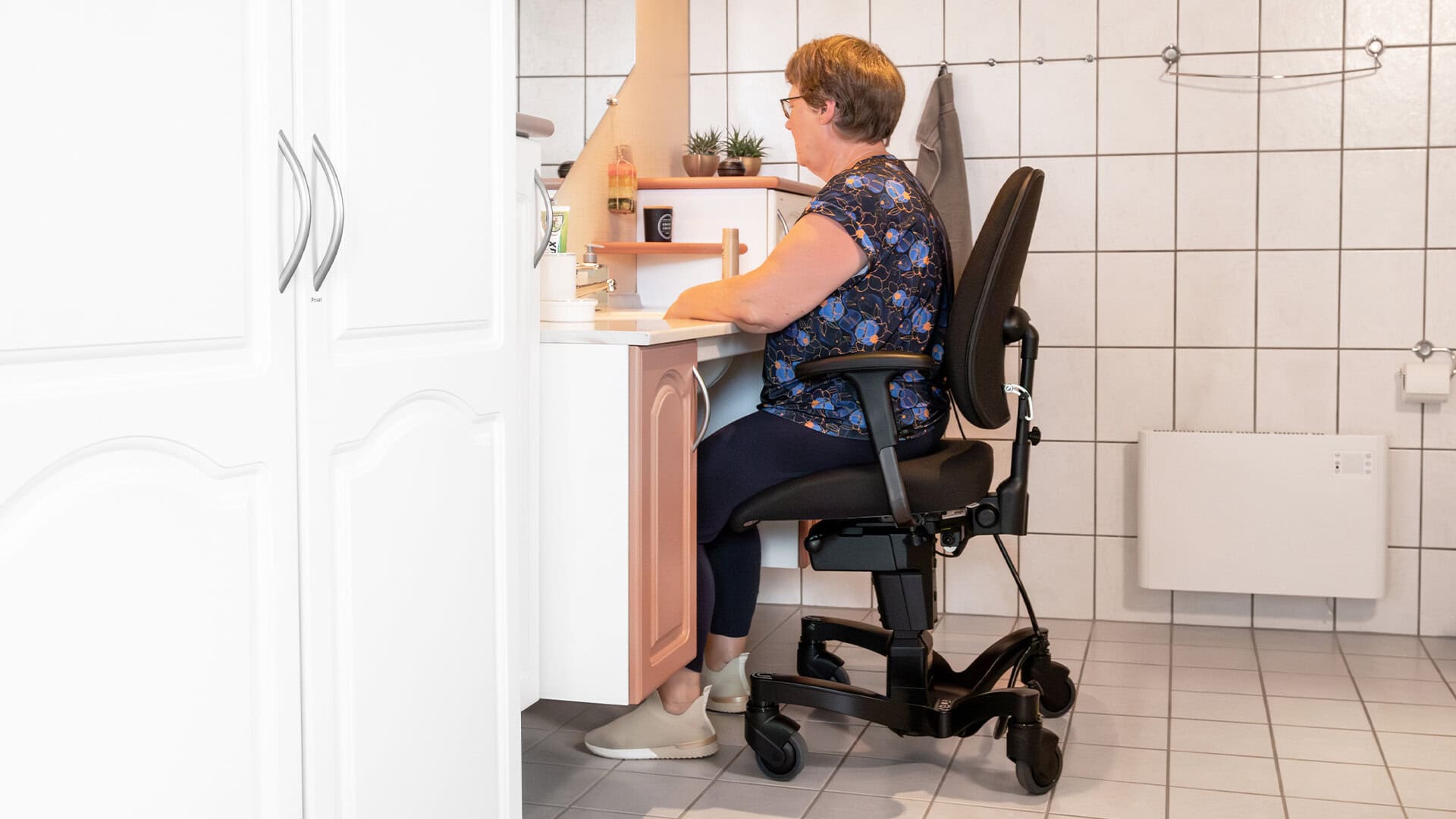
Conversely, assisted living facilities emphasize promoting resident autonomy within a supportive environment. Staff members, mainly aides, assist residents with non-medical daily activities, allowing for greater independence. Facilities increasingly integrate ergonomic assistive technology and resident-centered designs to support comfort, minimize injury risk, and foster a homelike atmosphere, all while adopting best practices in safety and wellness monitoring. These facilities often focus on quality of life rather than intensive medical treatment. For seniors who wish to maintain their freedom while addressing safety at home, mobility options like the VELA Chair serve as beneficial alternatives. The VELA Independence Chair is a medically approved mobility chair designed for use at home, providing enhanced safety, freedom of movement while seated, and support for daily activities like cooking, dressing, or transferring—all while reducing the load on informal caregivers.
Facilities of both types are adopting inclusive product development and clinical practices that balance skilled nursing, rehabilitation, appropriate medication use, and encouraging resident autonomy, with special attention to health equity and transparent care quality reporting.
Cost Comparison: Assisted Living vs Nursing Home Expenses
Financial considerations are pivotal when weighing the choice between assisted living and nursing homes. Assisted living is generally more affordable, with costs primarily allocated to housing, meals, and basic care services, ranging from $4,000 to $8,000 per month. In contrast, nursing homes, offering more intensive medical supervision, are pricier, with semiprivate rooms averaging $9,555 monthly (SeniorLiving.org). These costs typically include extensive medical care and therapy services, reflecting the elevated level of care provided.
Since July 2025, CMS has also adjusted nursing home quality ratings to be based on more recent survey data, directly affecting how performance is reported and potentially influencing reimbursement and facility choices (Health Industry Washington Watch).
How to Choose: Assessments, Family Considerations, and Physician Input
Selecting the right care setting involves a multifaceted assessment process. Comprehensive individual assessments are crucial for understanding a senior’s physical and mental health needs. Family discussions are indispensable, allowing for alignment between personal preferences and long-term care goals. According to Medicare.gov, involving a healthcare professional ensures that medical needs will be adequately met, tailoring the choice to the individual’s health requirements.
When evaluating facilities, be aware that assisted living regulations vary widely by state, with updated emergency preparedness and quality standards adopted in some states between 2023 and 2024. Federal oversight for assisted living remains minimal compared to nursing homes, but there is a notable movement toward standardized best practices and public transparency in inspections (SeniorSite).
Tools such as checklists and decision matrices are valuable for objectively evaluating options. These resources consider factors like care quality, cost, location, and amenities, empowering families to make informed decisions that prioritize the well-being of their loved ones. There is also an increasing interest in continuing care retirement communities (CCRCs), which offer integrated models accommodating changing needs over time (PowWow LLC).
Weighing the Options
To conclude, both nursing homes and assisted living facilities play pivotal roles in elder care. They cater to varying levels of independence and medical necessity. Understanding the distinctions in care levels, costs, regulations, technology integration, and living environments is essential for making informed decisions. These choices should consider individual medical, emotional, and financial requirements. With numerous, evolving options available—including innovative assistive devices and the rise of CCRCs—families can select a care environment that prioritizes the health and comfort of their loved ones (Healthline).
Supporting Aging in Place: A Practical Option
Mobility solutions like the VELA Chair enable seniors to remain independent at home longer, delaying or even negating the need for nursing home care. This chair’s features, such as a central brake for safety, electric height adjustability, and ease of movement while seated, specifically address challenges like safety, energy expenditure, and transferring between activities. Imagine daily life with the security and ease of movement the chair provides compared to the struggle and risk without it. By maintaining dignity, freedom, and energy-saving capabilities, VELA Chairs offer real-world benefits in cooking, cleaning, or simply relaxing. While VELA is a tested solution to support aging in place, it is important to view it as part of a broader landscape of options that enhance life quality and reduce caregiver burden. For more insights, see how seniors maintain independence with assisted living for elderly independence.
Sources:
- CMS Revisions to Nursing Home Surveyor Guidance and Medication Oversight Updates (2025)
- CMS Quality, Safety and Oversight Updates & Five Star Rating Changes (2025)
- State-by-State Assisted Living Regulatory Updates (2023–2025)
- Comparison of Nursing Home, Assisted Living and CCRC Care Models with Trends (2025)
- Healthline’s overview highlighting differences and care contexts (2024)