

Updated January 2026: We have updated the article with new Virginia regulatory changes effective July 2025, current Medicaid eligibility limits for 2026, federal and state staffing standards, advances in smart mobility and AI-powered care technology, and recent trends in home and community-based care for seniors.
Updated August 2025: We have updated the article with new advances in AI-powered assistive devices, expanded technology trends in nursing homes such as telehealth and remote monitoring, 2024–2025 Virginia regulatory updates, Medicaid eligibility information, and the continuing importance of quality assurance and legal protections in elderly care.
Finding the Right Nursing Home in Virginia Beach: A Comprehensive Guide
When searching for a nursing home in Virginia Beach, ensuring that your loved one receives high-quality care is paramount. Choosing the correct facility from the 48 available options, each with varying levels of service, requires a well-informed approach. According to Medicare.gov Care Compare, the average nursing home in Virginia Beach is rated 3.6 out of 5 stars. Leveraging resources like these provides authoritative insight into finding a trustworthy and suitable facility for your loved one.
Overview of Virginia Beach Nursing Home Options
Virginia Beach offers a wide array of nursing homes that cater to differing senior needs, whether they require skilled nursing, memory care, or rehabilitation services. The Caring.com Senior Living Directory provides a detailed layout of these facilities, ensuring families can find conveniently located options. Notably, Atlantic Shores is among the top-rated facilities, with accolades from residents and families describing the staff as “kind, helpful, patient, and polite.” It boasts a 4.6 out of 5 rating from 31 reviews, illustrating not just the quality of care but also providing peace of mind through genuine testimonials.
Understanding Nursing Home Ratings and Quality Metrics
Understanding nursing home ratings and quality metrics is essential to making an informed decision. The Centers for Medicare & Medicaid Services (CMS) utilize a 5-star rating system, as accessible on Medicare.gov Care Compare. This system evaluates health inspections, staffing levels, and resident care quality. For instance, family members have found that closely reviewing staffing ratios and health inspection results has helped them choose facilities that mitigate potential care issues, ensuring personalized attention for their loved ones.
Cost of Nursing Home Care in Virginia Beach
Understanding the financial aspect is crucial when selecting a nursing home in Virginia Beach. The Genworth Cost of Care Survey 2025 indicates the national median cost for a private room is $10,965 per month, with Virginia figures generally lower. Costs are influenced by factors such as eligibility for insurance, including Medicare and Medicaid, as well as potential financial assistance programs. Medicaid eligibility for nursing home care in Virginia, as of 2026, is determined by strict income and asset limits, with limits set at $2,000 in countable assets and a $2,982 monthly income cap for single applicants. Virginia’s Home and Community Based Services (HCBS) Waivers offer alternatives for those needing nursing facility level care. Families are encouraged to review programs outlined at MedicaidLongTermCare.org to help manage care expenses without compromising quality.
Current Challenges and Innovations in Virginia’s Nursing Home Industry
Virginia’s nursing home industry confronts significant challenges, including staffing shortages and inspection backlogs. As detailed by the Virginia Department of Health (VDH), the state has experienced an increase in overdue inspections, with nearly half of all facilities rated below average by CMS standards. Legislative efforts and regulatory updates—such as those for assisted living facilities effective 2024–2025 and forthcoming involuntary discharge regulations—are aimed at improving oversight and care quality (Virginia Department of Social Services; SandsAnderson).
As of July 2025, Virginia has implemented significant regulatory changes, including enhanced penalties for repeat violations of up to $10,000, expanded enforcement authority for the Virginia Department of Health, and new staffing requirements mandating at least 3.08 hours of direct care per resident each day, adjusted for case mix. Federal staffing standards are also scheduled to take effect, with non-rural facilities required to meet 3.48 hours per resident day by May 2026. These measures are designed to address persistent workforce challenges and improve the quality of care in nursing homes.
To address these challenges, innovative solutions that incorporate advanced assistive technology have become increasingly significant. AI-powered assistive devices, smart mobility aids equipped with fall detection, GPS tracking, and emergency alert systems, and integrated care platforms are now mainstream. These advances link resident equipment with nursing stations for rapid response to medical events and support caregivers through behavioral pattern analysis, remote patient monitoring, and medication adherence tools. This integration allows caregivers to focus more on direct care activities (EverythingMedicalOnline; SynchronyFL).
Nursing homes and at-home settings also benefit from enhanced smart home devices, such as voice-activated assistants, automated lighting, fall detection systems, and remote monitoring. These technologies further support resident safety and rehabilitation, and the use of telehealth and real-time health monitoring, including remote medical consultations and continuous vital sign tracking, has now become standard practice for more proactive, person-centered care (ButterflyMX; UnitedHealthcare).
With ongoing concerns regarding care quality, reports highlight that cases of neglect and malpractice—including those involving serious health conditions—have led to lawsuits in Virginia. Ensuring robust regulatory compliance and high standards of care remains essential to protect residents (NursingHomeAbuseCenter).
Alongside institutional models, home and community-based care options continue to expand. “Hospital at Home” programs now provide IV therapy, wound care, and post-surgical monitoring in the comfort of seniors’ homes. Remote patient monitoring and telehealth are standard for managing chronic conditions and tracking health changes, giving families and seniors greater flexibility and timely intervention.
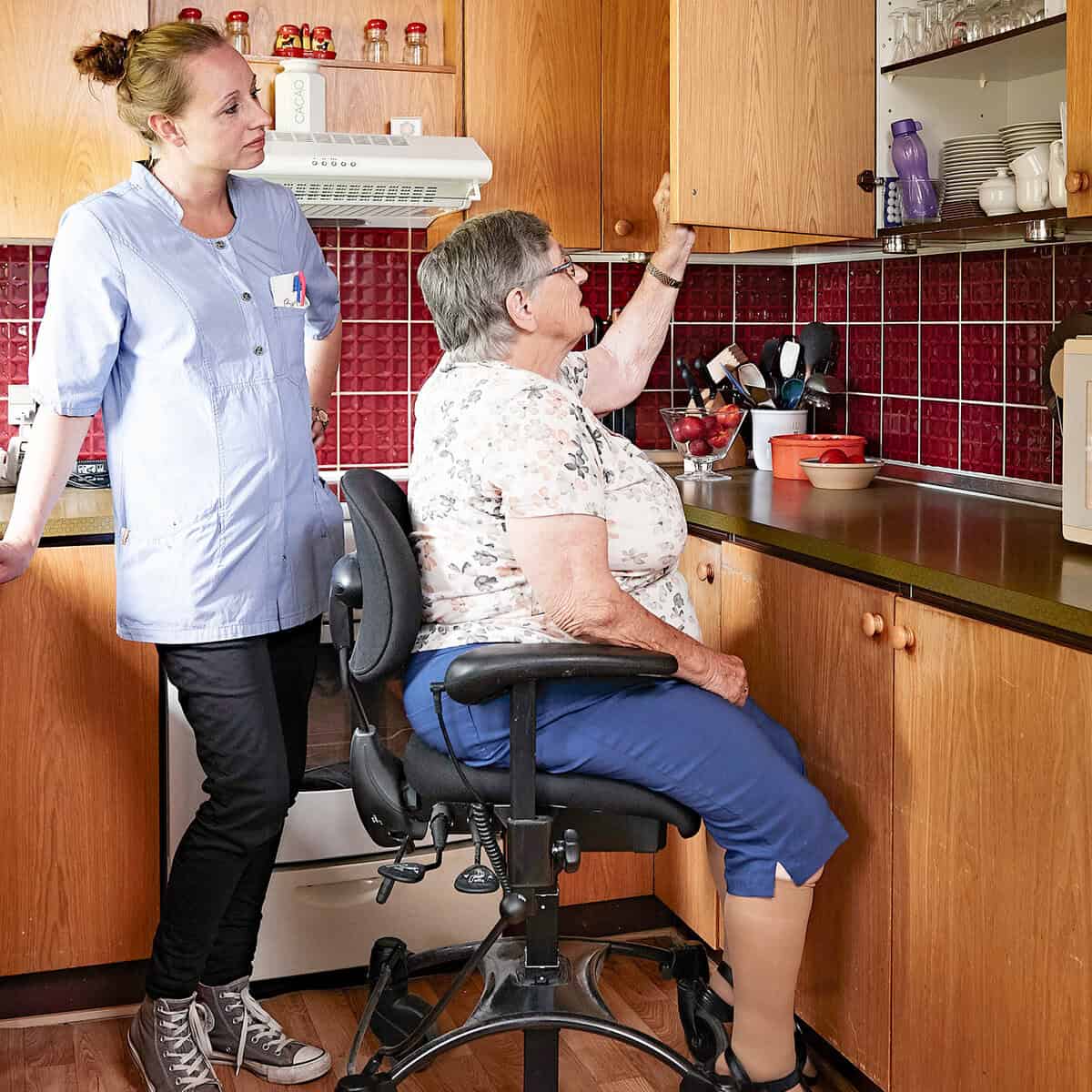
In this evolving landscape, advanced mobility aids such as the VELA Independence Chair continue to play a key role by allowing older adults to maintain autonomy at home and within care facilities, potentially reducing the reliance on nursing home care. These adaptive solutions, part of a larger trend toward personalized, AI-driven and ergonomic mobility tools, offer enhanced user safety and support daily activities, lessening the burden on caregivers (EverythingMedicalOnline).
Ensuring Quality of Life for Seniors
To choose the right nursing home in Virginia Beach, a balanced approach is required, weighing the benefits of traditional care against alternative solutions. It’s crucial to understand the intricacies of ratings, manage costs with available financial programs such as Medicaid, and embrace modern innovations. Taking advantage of connected assistive technologies and smart home systems, in addition to robust care environments, can improve monitoring, independence, and engagement for seniors. Considering both traditional and innovative care options ensures the highest quality of life for your loved ones, promoting their physical well-being and preserving their dignity and happiness.
How Mobility Solutions Like VELA Make a Difference
In a time when maintaining independence is crucial for seniors, solutions like the VELA Independence Chair are invaluable. In addition to traditional features, the integration of smart technologies and ergonomic design, which is increasingly user-adaptive, provides further comfort and support. Designed to help older adults stay independent at home longer, this chair offers features like a central brake for safety and electric height adjustability, ensuring safer transfers and reducing energy expenditure. By providing ease of movement while seated, the VELA Chair assists in daily activities such as cooking or relaxing, enhancing both safety and freedom. These capabilities complement the broader emergence of AI-powered mobility aids and home-based technologies, and can delay the need for a nursing home by upholding a senior’s ability to manage personal care tasks, fostering dignity and independence (SynchronyFL; EverythingMedicalOnline). While VELA is not the only solution, its practical applications make it a trusted option for many families seeking to support aging loved ones at home. Senior Chairs for Independence are essential in overcoming challenges of maintaining a life full of activity and self-esteem in the comfort of one’s home.