

Updated January 2026: We have updated the article to reflect the latest advances in assistive technologies, including AI-powered remote monitoring, wearable devices for fall detection and vital signs, therapeutic VR for memory care, and smart sensors for early detection of health issues. The article now highlights how these innovations are blurring the distinctions between nursing homes and retirement homes by supporting person-centered, tech-enabled care and enhancing autonomy, mobility support, and rehabilitation.
Nursing Home vs. Retirement Home: Understanding the Differences for Optimal Senior Care
Selecting the right living environment for seniors can significantly impact decisions about health, autonomy, and quality of life. A frequently posed question in this arena is the distinction between nursing homes and retirement homes. According to A Place For Mom, the median monthly cost of a private room in a nursing home is $10,646, while assisted living averages $5,190 per month. Choosing the appropriate option involves understanding these differences and what each environment uniquely offers.
What Is a Nursing Home? Defining Services, Care, and Residents
Nursing homes, often known as skilled nursing facilities, provide specialized, round-the-clock care focusing on medical needs. According to the National Institute on Aging, these facilities serve individuals requiring constant medical supervision and assistance with daily activities due to significant health issues or chronic illnesses. Residents may include those recovering from surgery or needing rehabilitation. Staffed with healthcare professionals, nursing homes offer rehabilitative therapy, medical assessments, and personal care, ensuring health and safety are priorities.
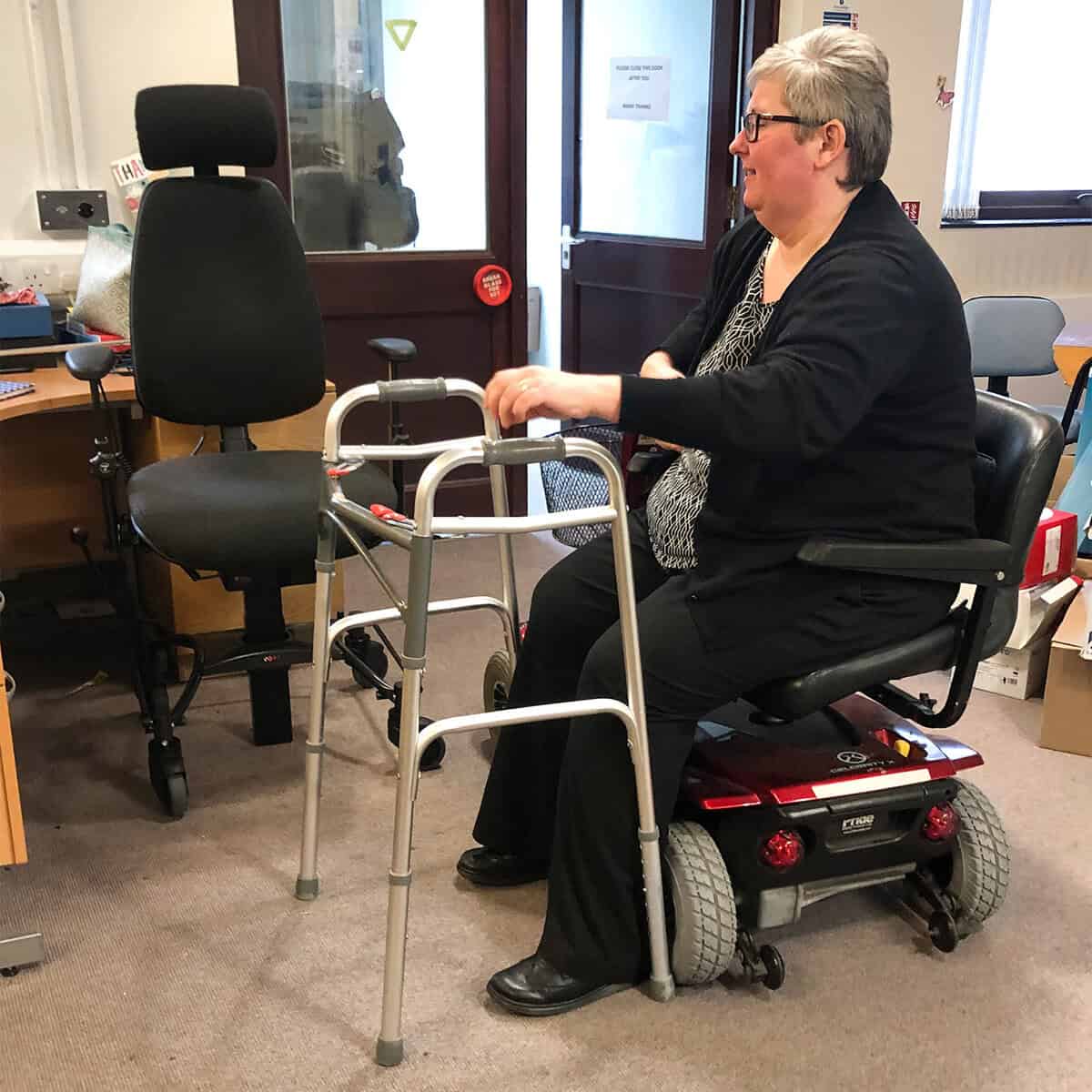
In addition to traditional medical support, nursing homes are increasingly equipped with modern assistive technology. AI-powered smart mobility aids, such as advanced wheelchairs with GPS, collision avoidance, real-time health monitoring, and remote customization, are rapidly becoming common. Voice control, Bluetooth connectivity, and automatic braking features now support resident safety and independence. Innovations including motion sensors and fall-detection systems further enhance care for residents with cognitive impairments, providing timely assistance and decreasing caregiver workload. Regulatory guidance now supports integration of enabling technologies under Medicaid and other long-term care plans, increasing access to customized digital supports dedicated to promoting autonomy and dignity.[6][8][2][6][14][8][12]
Recent trends show the implementation of AI-powered remote monitoring systems, wearable devices for automatic fall detection and vital sign assessment, as well as therapeutic virtual reality for memory care and rehabilitation. Smart sensors alert staff of health changes, enabling early interventions that have been shown to reduce hospital visits and support safer, more person-centered care, even for residents with complex conditions.[6][12][8]
In practical terms, residents in nursing homes often face stringent schedules due to medical needs, such as specific medication times or therapy sessions. Additionally, nursing homes typically feature clinical environments with accessible equipment and safety installations, such as grab bars and emergency call systems, to support complex care requirements.
What Is a Retirement Home? Lifestyle, Independence, and Community
Conversely, retirement homes promote an independent lifestyle within a supportive community setting. As outlined by StoryPoint, these facilities emphasize personal freedom and social activities for seniors who are largely independent. Residents can access amenities such as fitness centers, dining facilities, and social events to bolster quality of life, with limited medical support as needed.
Retirement home environments are now also adopting smart technology to promote enhanced safety, autonomy, and quality of life. Voice-activated features and motion detection systems help support residents with cognitive impairments or limited mobility. Fall-detection technology offers proactive safety advantages by notifying staff quickly when incidents occur. Rehabilitation and therapy options are more frequently delivered onsite or through partnerships, allowing seniors to access professional therapy services without needing to relocate. Retirement homes in 2026 are integrating AI platforms for care personalization, wearable devices for real-time monitoring, and therapeutic VR—making these settings more inclusive for those with mild to moderate disabilities and facilitating transitions for aging in place. This person-centered, tech-enabled care reduces reliance on full-time nursing and offers improved early detection of health issues and more proactive safety interventions.[4][7][6][12][8]
Residents in retirement homes typically enjoy customizable residences where they can maintain personal living habits. Community living enhances their lifestyle with optional socialization opportunities, fostering connections among peers while still upholding personal autonomy.
Key Differences: Nursing Home vs. Retirement Home
The primary differences between nursing homes and retirement homes rest on the level of care and independence offered. Nursing homes focus on clinical care, monitoring, and medical supervision, benefiting those with ongoing medical conditions. Advanced mobility aids, real-time health monitoring, AI-powered wearables, and integrated safety technologies in nursing home settings further support residents with complex needs. Meanwhile, retirement homes emphasize social engagement and independent living, now reinforced by assistive technologies such as voice-activated controls, fall-detection, AI-enabled monitoring, and therapy partnerships that accommodate health needs without compromising autonomy. With the adoption of these new tools, the traditional distinctions are increasingly blurred, as both types of facilities move toward inclusive, responsive, and technologically enabled environments.[6][14][12]
For seniors facing the challenges of maintaining autonomy in nursing and retirement homes, innovations like the VELA Independence Chair offer practical solutions that support prolonged independent living at home. The VELA chair is a medically approved mobility solution designed to enhance safety and freedom of movement while seated, aiding daily activities like cooking, dressing, and transferring—qualities that also reduce the load on informal caregivers.
How to Choose: Factors to Consider for You or Your Loved One
Choosing between a nursing home and a retirement home involves weighing several factors. The level of medical need and degree of independence desired are primary considerations. Determine if professional healthcare support is required daily or if the environment should focus more on lifestyle and community engagement.
Expanding Medicaid and insurance guidance is now making technology-assisted supports more widely available to those planning for long-term care or trying to delay institutionalization. Financial considerations remain critical. Nursing homes often incur higher costs due to the extensive care provided. Reviewing options for insurance coverage, including Medicare or Medicaid, is essential. For example, Medicare.gov provides guidance on the coverage available for skilled nursing facilities but not for most services in retirement homes. Consulting resources like A Place For Mom is helpful when asking questions related to staffing levels, emergency procedures, and resident satisfaction during evaluations.[2]
Increasingly, both settings are using new technological solutions—such as wearable sensors, telehealth platforms, and AI-based care coordination—to mitigate staff burnout, improve care outcomes, and reduce unnecessary hospitalizations.[12]
Summary of Key Differences
Choosing between a nursing home and a retirement home depends on an individual’s specific medical needs and lifestyle preferences for independence. Nursing homes provide comprehensive medical care suited for those needing continuous attention, along with new integrated assistive technologies for enhanced safety and autonomy, including AI, real-time monitoring, and smart sensors. In contrast, retirement homes focus on a community-driven, independent lifestyle emphasizing social enrichment, increasingly supported by person-centered technology solutions like wearable devices, voice-activated controls, and rehabilitation delivered onsite. These advances mean retirement homes are more viable for early disability needs, while nursing homes can now offer proactive, less intrusive monitoring for complex cases. Both serve vital roles but cater to different aspects of senior living.[6][7][6][12]
The decision should be guided by understanding health requirements, lifestyle preferences, and financial resources. As you evaluate options, consider how enhancements like VELA chairs and other smart assistive devices can enhance both mobility and quality of life, ensuring the selected environment supports comfort and independence.
By clearly distinguishing facts and offering realistic scenarios, this article aims to articulate the nuances of senior living choices, grounded in reliable sources and practical insights, to ensure trustworthy, comprehensive guidance.