

Updated January 2026: We have updated the article to reflect the 2025 repeal of federal minimum nursing home staffing requirements and CMS regulatory changes, now affecting facility staffing and public quality reporting. New sections address recent advances in AI-powered and connected assistive devices, wearable health technologies, robotics for mobility, and smart home integration, highlighting trends supporting aging in place and enhanced fall prevention.
Nursing Home Winter Haven: A Comprehensive Guide
When searching for the right nursing facility, understanding the landscape is crucial, especially in a city like Winter Haven, Florida. Known for its beautiful Chain of Lakes, Winter Haven is a community that offers a range of options for senior care. Choosing the right nursing home can significantly impact the quality of life for seniors and their families. Making an informed decision is paramount, as evidenced by the starting costs of $8,745 per month for a semiprivate room in Winter Haven. According to Medicare’s Care Compare tool and Elder Guide, these statistics highlight the necessity to balance quality with affordability.
Discovering Nursing Homes in Winter Haven: An Overview
Winter Haven is nestled in central Florida and offers a variety of nursing home facilities tailored to different needs. The city hosts numerous facilities that provide specialized services, ranging from long-term care to rehabilitation and memory care. According to Elder Guide, Winter Haven boasts a respectable B-grade for its nursing homes, reflecting strong Medicare ratings and quality measures. The facilities provide diverse care options, supported by insightful testimonials from residents and their families, assuring potential residents of the quality care they can expect.
Exploring the Top-Rated Nursing Facilities in Winter Haven
For those seeking top-quality care, Winter Haven has several facilities that stand out. Among them are the Astoria Health and Rehabilitation Center and Spring Lake Rehabilitation Center, which are often highlighted for their excellent services. Astoria Health receives commendable ratings for its all-around healthcare services, making it a standout option. Spring Lake Rehabilitation Center is well-regarded for its excellent quality rating and robust medical staffing, as noted by Caring.com, which emphasizes the supportive environment provided by dedicated staff.
Breaking Down Nursing Home Costs in Winter Haven
Understanding the financial commitment required for nursing home care is essential for families planning for long-term care. Winter Haven presents a starting monthly rate of $8,745 for a semiprivate room, as reported by Paying for Senior Care, which is competitive compared to state and national averages. Additionally, Medicare and Medicaid can provide financial relief, along with various assistance programs, enabling seniors and their families to manage expenses effectively.
Specialty Care and Amenities at Winter Haven Nursing Homes
The quality of life in a nursing facility often hinges on the specialty care and amenities offered. Facilities in Winter Haven provide a variety of therapy services, including occupational, physical, and speech therapies, ensuring comprehensive care. Many facilities boast vibrant activity centers and outdoor areas, promoting an active lifestyle for residents. Proximity to healthcare institutions, such as the Winter Haven Hospital located just 0.8 miles from Spring Lake Rehabilitation Center, ensures prompt access to advanced medical care, further enhancing resident wellbeing.
Recent advancements in assistive technologies and care approaches are transforming nursing home environments. Facilities are increasingly integrating AI-enabled assistive devices, including smart walkers and robotic exoskeletons with features such as sensor-based navigation, collision avoidance, voice control, AI-powered health monitoring, and remote caregiver alerts, which support greater mobility, fall prevention, and personalized rehabilitation.[1][3][5][7] Wearable devices, such as predictive analytics wristbands and emergency response pendants, now provide real-time health tracking and fall detection, empowering caregivers and clinicians to intervene more promptly and more effectively.[1][3][5] Augmentative and Alternative Communication (AAC) tools, including eye tracking and predictive text, deliver vital communication support for seniors with speech impairments.[3] In addition, smart home integration—such as sensor-equipped grab bars, walk-in tubs, voice-activated lighting, automated systems, and adaptive furniture—enhances independence and security in both facility and private home settings.[1][3][5][7]
Innovations extend beyond the facility: virtual and hybrid therapy options, at-home robotics for rehabilitation, and broader smart home systems now enable many seniors to age safely in place. These integrated solutions have proven effective in promoting independence, improving fall prevention, and reducing unnecessary hospitalizations through early detection and remote care management.[1][3][5][7]
The regulatory climate for nursing homes has experienced substantial shifts. In December 2025, the Centers for Medicare & Medicaid Services (CMS) repealed the federal minimum nursing home staffing requirements that had been imposed in 2024.[2][4][6][10][12] Effective February 2026, the prior requirements (such as a minimum of 3.48 total nurse hours per resident per day and 24/7 registered nurse coverage) are no longer in effect. Instead, nursing homes are again only required to provide at least eight hours of registered nurse coverage daily, with ongoing facility-level assessments to determine staffing appropriateness for resident acuity.[2][4][6][10][12] This change may result in increased variability in staffing and care quality, particularly in rural and under-resourced settings, and highlights the importance of evaluating individual facilities and reviewing up-to-date public quality and performance data.
To support transparency, CMS has also updated its Five-Star rating system, which now incorporates recent survey findings and antipsychotic use data while focusing star ratings on the two most current health inspections.[4][5][6] Chain-wide performance data is now available to help potential residents and families compare options. Updated surveyor guidance further emphasizes infection control, oversight of medical directors, and robust quality assurance processes.[4]
Together, these clinical, technological, and policy innovations support a more connected and individualized approach to elder care. The continued adoption of remote monitoring, telehealth, predictive analytics, and smart assistive devices positions both nursing home and home care settings to better meet the changing needs of older adults, their families, and care teams.[1][3][5][7]
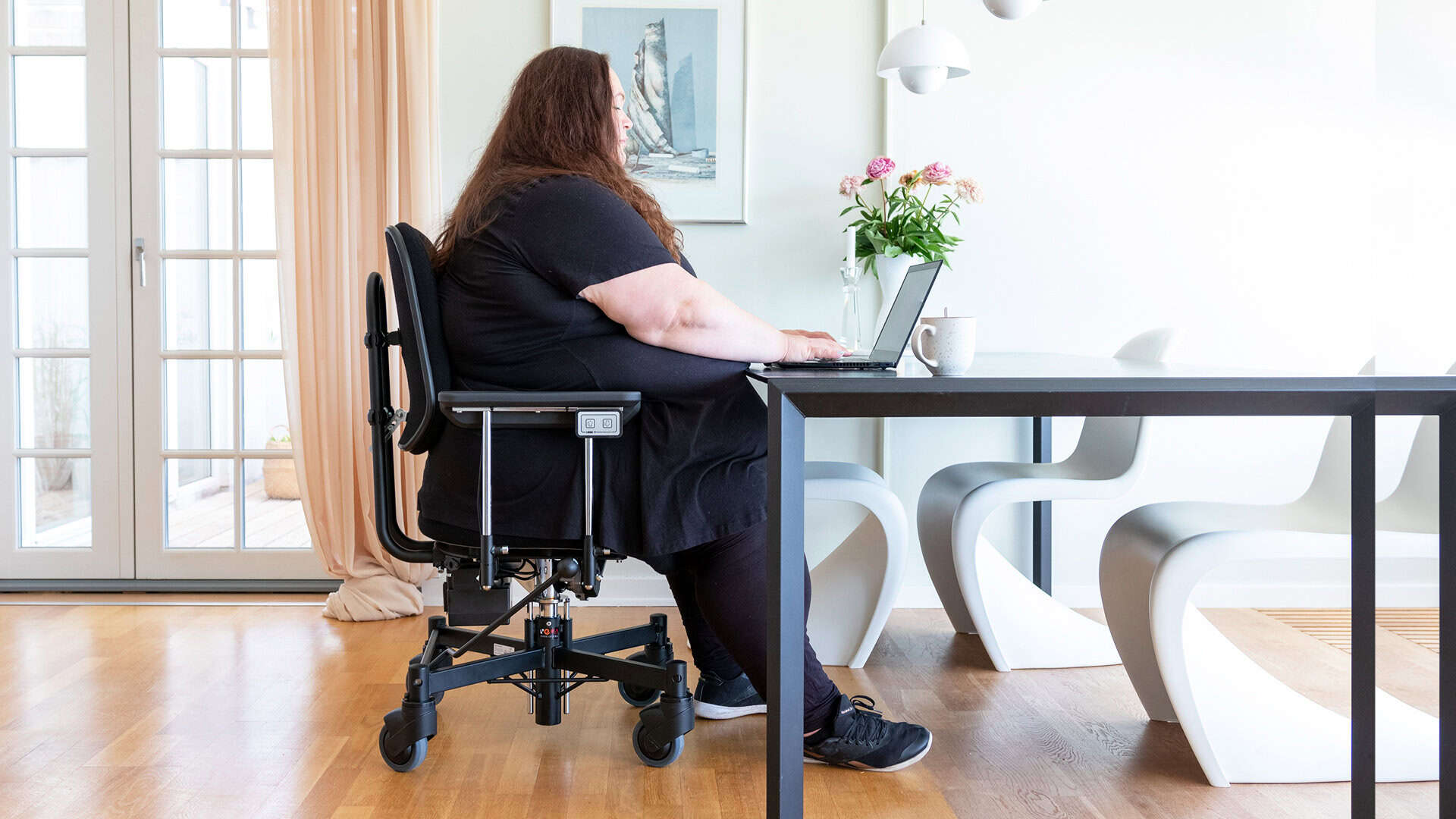
Addressing the diverse challenges encountered in nursing homes requires innovative solutions to promote independence and safety, both of which significantly improve quality of life for the elderly. While traditional nursing home settings can offer structured care, many seniors and their caregivers seek alternatives that allow older adults to stay at home longer. This approach can be effectively supported by solutions like VELA. VELA is a medically approved mobility chair specifically designed for home use, which enhances safety and freedom of movement while seated. It supports daily activities such as cooking, dressing, or transferring, all while reducing the strain on informal caregivers.
Exploring Alternatives to Nursing Homes
VELA Chairs offer an exemplary solution for older adults aiming to maintain their independence at home for as long as possible. These chairs are designed to address key concerns such as safety, ease of movement, and energy conservation, potentially delaying the need for nursing home care. Features like the central brake for safety, electric height adjustability, and the ability to roll while seated help reduce the risk of falls and enhance everyday activities like cooking and cleaning. With a VELA Chair, individuals can enjoy greater dignity, freedom, and security, lessening the burden on family members and caregivers. While VELA is a proven and practical option, it represents just one of many ways to support aging in place successfully.
References
- Synchrony Financial, “The Future of Home Health Care: Trends to Watch in 2025” (2025-04-10) — advances in AI, wearables, and assistive tech for seniors. Link
- CMS repeals minimum staffing requirements (AHA, Dec 2025)
- Assistive Tech Hub, “Top Assistive Tech Innovations in 2025” (2025-06-06) — smart home integration, AAC devices, wearables. Link
- Recent legislative updates for long-term care (Reed Smith, 2025)
- Top trends shaping skilled nursing in 2026 (Skilled Nursing News, Jan 2026)
- HHS repeals nursing home staffing mandate (NACO, Dec 2025)
- Everything Medical Online, “The Latest Trends in Mobility Aid Technology for 2025” (2025-05-30) — smart wheelchairs, AI adaptation features. Link
- WTW Insights, “The future of nursing home staffing mandates” (2025-05-07) — federal court ruling on nursing home RN staffing mandates. Link
- Paltmed.org, “CMS Announces Key Revisions to Nursing Home Surveyor Guidance 2025” (2024-11-22) — updated surveyor guidance for quality assurance and compliance. Link
- CMS rescinds nursing home staffing rule (Medicare Advocacy, 2025)
- ButterflyMX Blog, “Senior Living Technology Trends 2025” (2025-07-11) — AI, telehealth, remote monitoring in senior living. Link
- CMS rescinds staffing requirements (Medicare Rights Center, Dec 2025)
- AHCA/NCAL News, “CMS Makes Updates to Nursing Home Care Compare and Five Star” (2025-06-18) — detailed CMS policy changes for nursing home performance reporting. Link