

Updated January 2026: We have updated the article to reflect the federal repeal of minimum staffing requirements—while New York’s stricter 3.5 hours per resident day mandate remains in effect—along with new Medicaid eligibility limits for 2026, expanded ownership disclosure requirements, stronger Certificate of Need reviews, and enhanced options for community-based long-term care with greater use of assistive technology and hybrid care models.
Understanding NYS Nursing Home Complaints: Ensuring Quality of Care
New York State boasts around 603 nursing facilities that serve its elder population, but these homes have faced numerous complaints over care standards, affecting residents and families. Reports frequently highlight neglect, abuse, and safety violations. According to the ProPublica Nursing Home Inspect Database, these facilities have incurred over $10.9 million in penalties due to various deficiencies, pointing to significant care standard issues. Understanding and navigating the complaint process is crucial for safeguarding residents’ welfare.
Navigating NYS Nursing Home Complaint Procedures
Filing a Complaint
For families addressing concerns, the New York State Department of Health (DOH) is the primary venue for filing complaints that include neglect, abuse, or safety hazards. Detailed instructions are accessible on the DOH website. DOH investigations are vital for ensuring resident safety and facility compliance. According to the Long Term Care Community Coalition, effective advocacy involves understanding and navigating these processes, with testimonies indicating that persistence and thorough documentation are key in holding facilities accountable.
Common Violations and Their Impact on Residents
Prevalence of Violations
Common complaints include care lapses, staffing inadequacies, and improper medication administration. The ProPublica Nursing Home Inspect Database states that of 603 facilities, 84 have serious deficiencies, and many face infection-related issues. These not only compromise physical health but also significantly affect residents’ quality of life, causing distress to families involved.
Real-life Example
Residents might encounter scenarios such as neglect in basic hygiene or delayed response during medical emergencies, which terribly affect their well-being and emotional state. Persistent understaffing often leads to these shortcomings, revealing systemic issues within these facilities.
The Role of Staffing and Financial Specifics in Complaints
High complaint frequencies correlate with staffing shortages and financial constraints. Facilities unable to maintain adequate staff levels compromise on providing optimal care, escalating neglect cases and staff overwork. Financial strain is intensified by Medicaid’s low reimbursement rates in New York. The New York State Health Facilities Association highlights urgent policy reforms needed to combat these systemic challenges.
Recent Legislative Actions on Oversight and Staffing
As of 2026, federal minimum staffing requirements that previously mandated 3.48 hours per resident per day, including continuous RN coverage, have been repealed. However, New York State continues to enforce its stricter staffing mandate of 3.5 hours per resident day (HPRD)—with at least 2.2 hours by certified nursing assistants and 1.1 hours by licensed nurses—backed with state penalties for noncompliance.
The Public Health and Health Planning Council (PHHPC) has also strengthened the Certificate of Need (CON) process, imposing enhanced standards for operator competence and ongoing quality-of-care oversight. New federal rules taking effect January 1, 2026, require skilled nursing facilities to disclose full ownership information via CMS-855A forms, with failure risking loss of Medicare billing status.
Legislative updates such as Assembly Bill A5062 sustain requirements for COVID-19 testing after any positive case in residents or staff. Senate Bill S2652 maintains safe staffing standards, while emergency measures like Executive Order 56.2 (and its extension) allow out-of-state nurses and recent graduates to work in facilities to help alleviate staffing shortages.
Sources: [1], [3], [6], [7], [3], [6], [1].
Industry Challenges
Since 2019, over 5,600 nursing home beds have closed due to facility shutdowns and decertifications, partially driven by financial woes, such as the $56 daily loss per resident under current Medicaid rates. As competition with hospitals for workers mounts, finding and retaining qualified staff grows increasingly difficult.
Resources and Alternatives: Exploring the NYS Nursing Home Landscape
Given the prevalent complaints, families consider alternatives that keep seniors at home with sufficient support. Programs like the Long-term Care Ombudsman and family councils are valuable in advocating for and monitoring resident rights. New requirements remain in effect for public disclosure of ownership and CMS ratings, enabling families to make more informed choices by reviewing transparent data.
Source: [1], [1].
Many families are increasingly turning to home and community-based services (HCBS) as alternatives to institutional nursing home care, supported by expanded options under both Medicaid and Medicare Advantage for 2026. The New York Medicaid eligibility levels for 2026 are set at $1,835.40 per month income and $32,396 in assets for single nursing home applicants, and a 30-month look-back for community-based long-term care is pending.
Programs like the Nursing Home Transition and Diversion (NHTD) Waiver and the Consumer Directed Personal Assistance Program (CDPAP) enable individuals to remain at home, with access to assistive technology and home modifications that enhance mobility and safety. Hybrid models combining in-person and virtual supervision are being increasingly adopted by managed care plans for those who aim to avoid admission or transition out of nursing homes.
Sources: [2], [4].
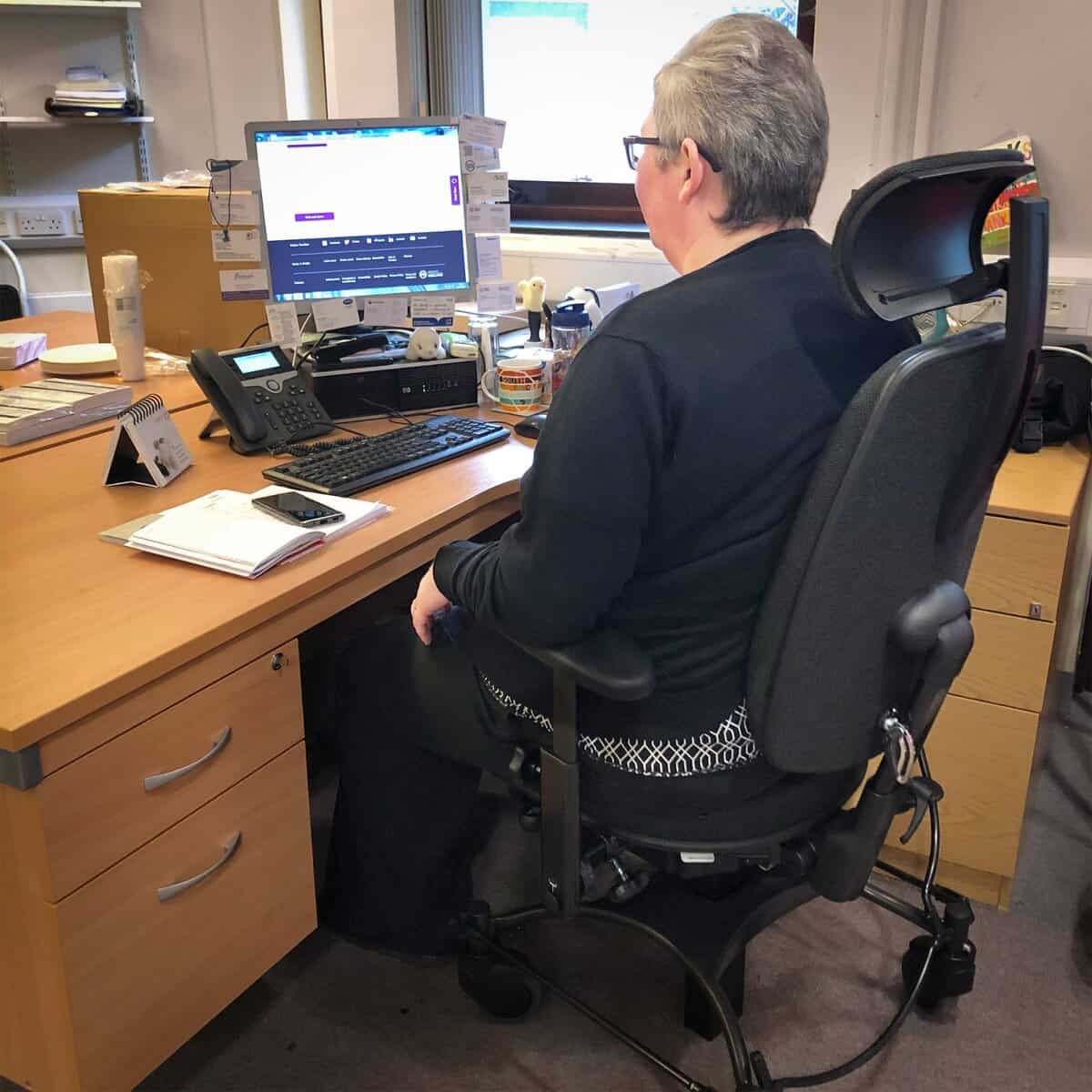
Alternatives for maintaining independence at home are increasingly sought after due to the challenges faced by nursing homes. One innovative solution is the VELA Independence Chair, a medically approved mobility chair designed for home use. It enhances safety and provides freedom of movement while seated, assisting with daily tasks such as cooking, dressing, or transferring. This chair not only supports older adults in maintaining their independence but also alleviates the burden on caregivers by reducing the effort required to assist with these activities.
Staying Independent at Home with Support
Mobility solutions like the VELA Independence Chair empower seniors to live independently, potentially delaying the need for nursing home care. Such chairs address critical issues like safety and energy conservation by incorporating features like a central brake for added security and electric height adjustability for easy transfers. This mobility aid facilitates everyday activities, making tasks like cooking, cleaning, or relaxing more comfortable and less strenuous. Independence Solutions for Seniors are becoming vital as they promote dignity, enhance autonomy, and reduce caregiver strain. While VELA is one of several options available, its proven design offers practical support for aging in place, allowing older adults to enjoy an active, dignified lifestyle.
Broader regulatory interest in quality of care and resident outcomes has encouraged adoption of advanced assistive devices and improved ergonomic design. As federal CMS certification continues to enforce rigorous standards for safety and care quality, including ongoing surveys and compliance checks, New York nursing homes are expected to follow best practices that may further promote integration of mobility and rehabilitation technologies in resident care. The state’s strengthening of CON review processes and attention to hybrid care models also encourage enhanced mobility support at home and in the community.
Source: [7], [1], [4].