

Updated September 2025: We have updated this article to reflect the latest remodel of Oak Hills Living Center, including significant environmental upgrades, advanced safety and communication systems, and ergonomic improvements supporting personalized resident care. Broader industry trends such as smart, adaptive assistive devices and updated regulatory oversight, as well as best practices in resident-centered, accessible design, have also been incorporated.
Understanding the Oak Hill Nursing Home Network
Navigating the complex landscape of nursing homes can be challenging for families seeking quality care for their loved ones. According to Medicare.gov, the Oak Hill network of nursing facilities exemplifies this complexity, with varied quality ratings across the United States. For instance, the Oak Hills Living Center in New Ulm, Minnesota, boasts a 5-star rating, emphasizing excellence in care, while the Oak Hill Health and Rehabilitation Center in Providence County, Rhode Island, holds a 1-star rating, highlighting the need for careful scrutiny. Understanding these differences through reliable sources like Medicare.gov and ProPublica is crucial for making well-informed decisions.
Exploring the Oak Hill Nursing Home Network
The Oak Hill nursing home network spans multiple locations, including Middletown, Brooksville, Greensburg, Providence County, and New Ulm. Each facility within this network is unique in terms of ownership, structure, and quality. For example, Oak Hill Health & Rehabilitation in Brooksville, Florida, is a for-profit LLC with a well-defined ownership structure but faces challenges in maintaining consistent care quality, evidenced by its varied star ratings. Meanwhile, Oak Hills Living Center in New Ulm stands out with a 5-star overall quality rating, making it a benchmark for other facilities, according to their administrator, Candas Schouvieller (Oak Hills Living Center).
Building on its reputation, Oak Hills Living Center is undergoing a significant remodel to improve resident comfort and autonomy through enhanced personalized environments. Facility upgrades include improved lighting, expanded bathrooms, increased personal storage, and modernized kitchens. Personalized spaces are designed with ergonomics and accessibility in mind—this aligns with the latest best practices in resident-centered care. To further improve safety and daily living, the remodel introduces state-of-the-art nurse call and wander guard systems, upgraded fire alarm and HVAC systems enhancing air quality, and communication features supporting both resident independence and rapid staff response (Oak Hills Living Center Remodel Project).
Ownership structures significantly affect management practices and residents’ overall experiences. Consulting authoritative sources like Medicare.gov and ProPublica provides detailed information on each facility’s governance and affiliations, aiding families in their decision-making process.
Evaluating Quality: Ratings and Performance Metrics
Understanding the CMS Five-Star Quality Rating System is essential for evaluating nursing home quality. This system assesses facilities based on health inspections, staffing, and care quality, with ratings ranging from 1 to 5 stars (CMS). For families considering an Oak Hill facility, comparing these ratings to state and national averages offers insights into relative performance. For example, according to ProPublica, Oak Hill Health & Rehabilitation in Florida provides 4.43 nurse hours per resident per day, surpassing the state average of 3.9 hours. However, its nurse turnover rate of 55.6% can impact continuity of care, an important factor for long-term resident satisfaction (Providence Reporter).
Balanced evaluation should consider these metrics alongside regulatory oversight and current compliance status. For instance, the Centers for Medicare & Medicaid Services (CMS) continues to update its quality monitoring with programs like the Special Focus Facility list, ensuring consistent, documented improvements in resident safety and care (CMS Special Focus Facility Program; PA Department of Health Survey). Insights from local sources and expert evaluations further enrich understanding of each facility’s offering and standards.
Enhancing Resident Care through Specialized Services
When evaluating nursing home options, focusing on resident care and specialized services is crucial. Key factors include nurse-to-resident ratios and participation in programs like QIIP (Quality Improvement Incentive Payment Program) and PIPP (Performance-Based Incentive Payment Program). The Oak Hills Living Center has demonstrated the positive impact of such initiatives, achieving high resident satisfaction and quality scores (Oak Hills Living Center).
Recent trends emphasize combining advanced assistive technologies with human-centered care strategies. Modern facilities, such as Oak Hills Living Center, are increasingly integrating personalized rehabilitation plans, adaptive mobility aids, and sensor-based safety solutions—like upgraded nurse call and wander guard systems—tailored to individual needs. Environmental upgrades, expanded ergonomic spaces, and staff training all contribute to enhanced comfort, safety, and autonomy for residents (Oak Hills Living Center Remodel Project;, Oak Hills Living Community Overview).
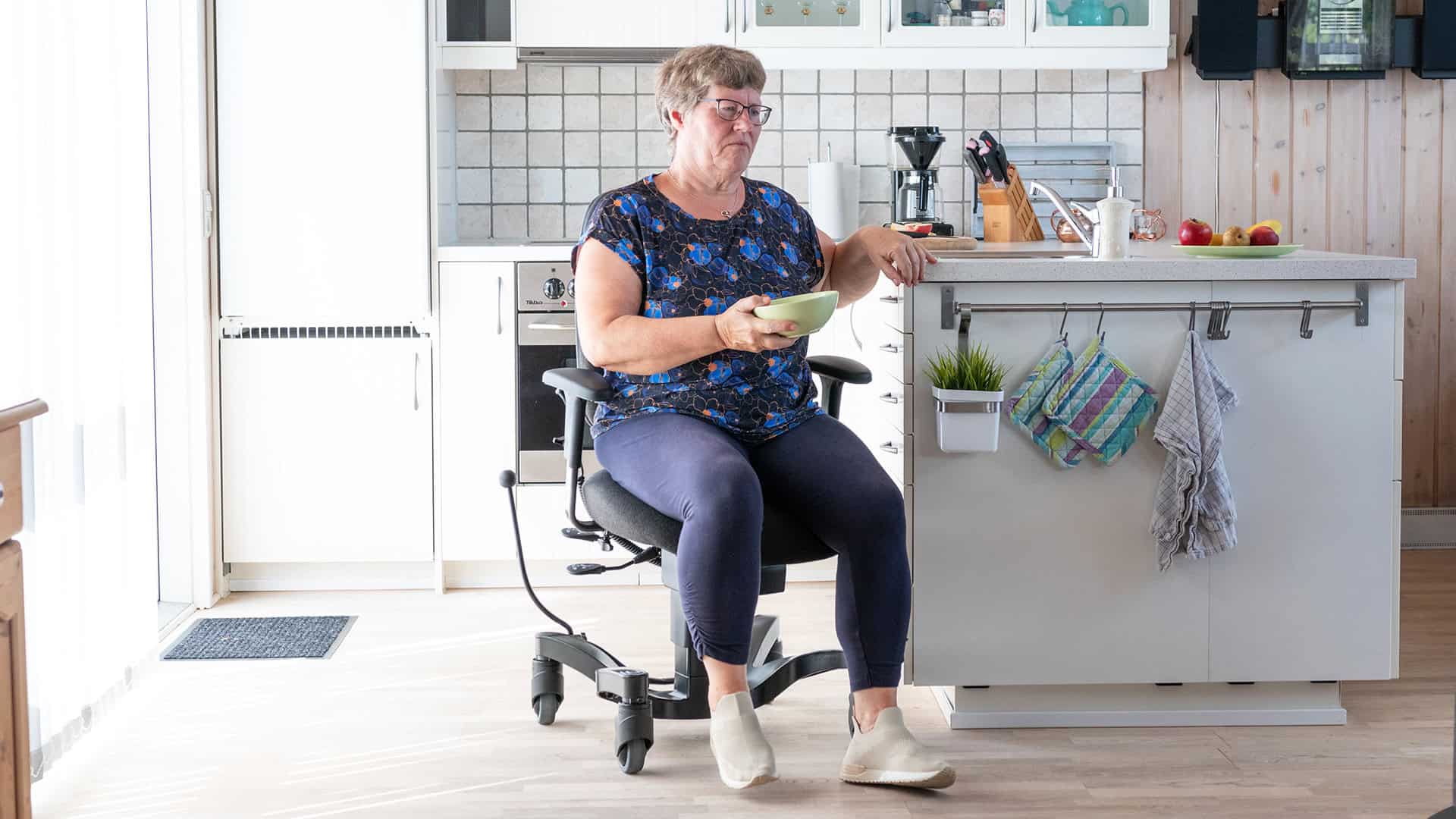
Adjusting the lens from institutional care to home-based independence, it becomes evident that traditional nursing homes aren’t the only solution for eldercare. Many older adults prefer to maintain their autonomy in a familiar environment. In this context, mobility solutions like the VELA Independence Chair offer a dynamic alternative. The VELA chair is a medically approved device that promotes safety and freedom in the home by providing essential support for daily tasks such as cooking, dressing, or transferring, while reducing the load on informal caregivers. It helps mitigate risks associated with decreased mobility, offering a reliable means to enhance life quality at home.
Selecting the Best Oak Hill Facility for Your Loved Ones
Choosing the right facility involves balancing various considerations, including location, quality ratings, and the availability of specialized services. Prospective residents and their families should tour each facility, observing cleanliness, staff interactions, and resident activities. Resources like Medicare.gov and the Oak Hills Living Center’s website offer invaluable guidance on evaluating key aspects of nursing homes. Facility upgrades, safety systems, and inclusive design features can also affect resident satisfaction and should be part of the family’s evaluation process (Oak Hills Living Center Remodel Project;, Oak Hill Herald May 2025).