

Updated September 2025: We have updated the article to reflect new advances in AI-powered assistive devices, smart home technologies, telehealth, and ergonomic design trends that are reshaping care and support options in nursing homes and aging in place. Key sources include recent studies on smart mobility aids, integrated health monitoring, and technology-enabled care models for seniors.
Understanding and Selecting Osage Nursing Home Options
When considering a skilled nursing facility for a loved one, the term “Osage nursing home” often comes up. There are currently three facilities with this name, each offering unique advantages and characteristics. According to Medicare.gov Care Compare, Osage Nursing Home, LLC in Oklahoma is distinguished by a 4-star rating, echoing its commitment to high-quality care. Additionally, ProPublica Nursing Home Inspect provides useful insights into staffing levels, a critical component in maintaining this standard.
Understanding Osage Nursing Home Options Across States
Exploring nursing home options across different states requires a thorough understanding of the unique offerings of each facility sharing the Osage name. In Nowata, Oklahoma, Osage Nursing Home, LLC, classified as a for-profit facility, boasts a 4-star rating. It maintains staffing levels near the state average with 3.75 nurse hours per resident per day, slightly below the Oklahoma state average of 3.8. This information is corroborated by ProPublica.
The Osage Nursing & Rehabilitation Center in Kansas, under Americare Systems, Inc., operates with marginally lower staffing ratios and higher turnover rates—58.3% compared to the state average of 51.2%, further highlighted by ProPublica.
In California, Osage Healthcare & Wellness Centre provides its services within a distinctive environment, addressing diverse resident needs. For more information, see HCAI.
Staffing Quality and Resident Care at Osage Facilities
Staffing quality is paramount in determining resident care standards. Osage facilities demonstrate varying performance in this domain. For instance, the Oklahoma Osage Nursing Home, featuring a comparatively low nurse turnover rate of 40% against the state average of 56.1%, suggests a stable environment conducive to quality care. Testimonials from family members often laud the consistent and familiar staff, resulting in higher resident satisfaction.
Ownership Structure and Management Philosophy
The management approach in nursing homes profoundly influences the care environment and operational efficacy. Osage facilities possess distinctive ownership structures that significantly impact these aspects. Osage Nursing Home, LLC operates under multiple trusts and individuals, with efficient operations allowing for personalized care, proclaimed by industry experts.
2025 Outlook for Skilled Nursing Facilities
Anticipating 2025, the skilled nursing facility landscape is expected to evolve due to Medicare reimbursement changes and fluctuating occupancy rates. According to the National Investment Center for Seniors Housing & Care, nursing care occupancy has steadily risen, suggesting increased sustainability and service demand. Facilities like Osage are encouraged to adapt to financial pressures while addressing the needs of an aging populace.
In addition to financial adaptation, Osage and similar facilities are increasingly integrating advanced technologies to enhance resident care and experience. Recent developments include the implementation of AI-powered, smart, and connected assistive devices such as intelligent wheelchairs with autonomous navigation, adaptive controls, and health monitoring. Smart home features tailored for seniors—such as automated lighting, voice-activated assistants, smart locks, and AI-driven fall detection systems—are being adopted to improve safety and support aging in place. Telehealth and remote monitoring systems now play a regular role in maintaining continuity of clinical care, facilitating virtual consultations and real-time health tracking, which helps reduce unnecessary hospital visits. Furthermore, advances in ergonomic and customizable device design using 3D printing and sensor technologies are providing residents with higher comfort and functionality in their mobility aids and personal care equipment. These trends align with a broader focus on person-centered, technology-enabled care models, emphasizing privacy and support for digital literacy among seniors Synchrony FL (2025), ButterflyMX (2025), HBRHC Blog (2025), Everything Medical Online (2025), UnitedHealthcare Community & State (2025), iHealthcare Analyst (2025), Giansanti 2025.
Comparing Osage Nursing Home with Alternative Care Options
While Osage facilities provide extensive nursing services, there is a growing shift towards alternative care options that leverage new technologies to prioritize home mobility and independence. The latest advancements include the adoption of smart mobility devices—such as AI-driven wheelchairs offering collision avoidance, adaptive controls, and integration with mobile apps for personalized support. In addition, fall detection and alert systems connected with emergency response services are improving safety for individuals at home. Telehealth platforms and wearable health monitoring devices have become common, allowing older adults to access health professionals and continuous health data analysis remotely. These technologies enable seniors to remain independent within the comfort of their homes and support caregivers in managing care from a distance Synchrony FL (2025), ButterflyMX (2025), HBRHC Blog (2025), Everything Medical Online (2025).
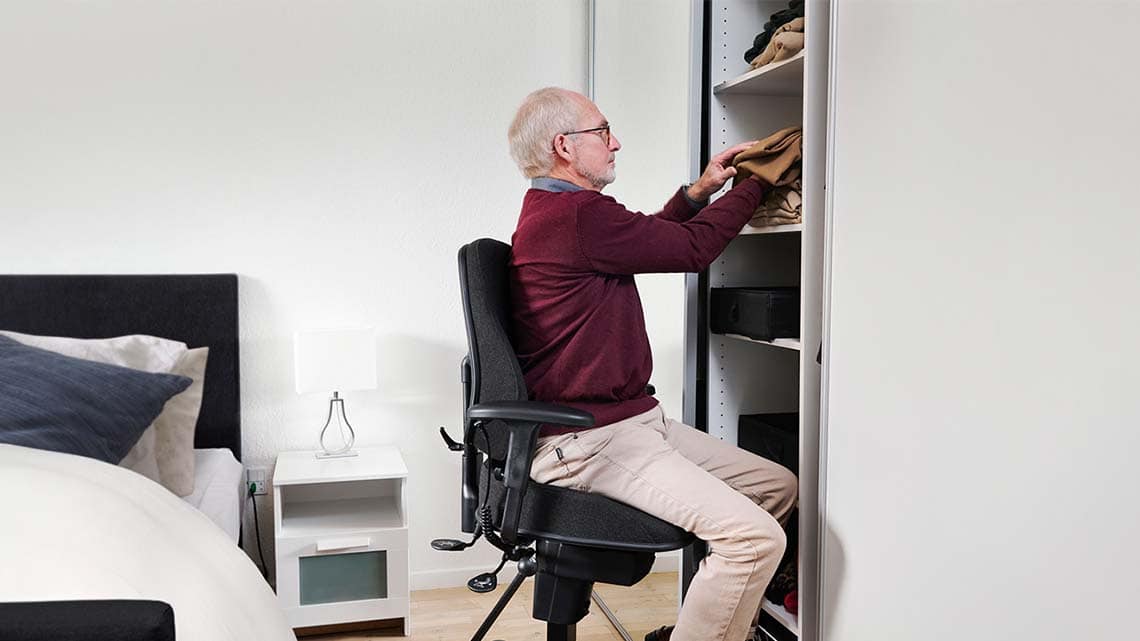
Given these advances, families continue to explore solutions that promote independent living for older adults. One such solution is the VELA Independence Chair, a medically approved mobility device designed for home use. This chair enhances safety through features like a central brake, promotes freedom of movement while seated, and supports everyday activities such as cooking and dressing. By doing so, it alleviates the physical burden on informal caregivers and empowers seniors to manage daily tasks with dignity and ease. Further, the latest trends in its design reflect the industry’s move towards greater ergonomic comfort, modular customization, and sensor-enabled features for improved individual support iHealthcare Analyst (2025).
Selecting the right care option is a deeply personal choice requiring careful analysis of factors like facility quality, staffing, management philosophy, integration of innovative technology, and future trends in nursing care. Whether inclined towards the structured environment of an Osage nursing home or exploring advanced home-based alternatives, understanding these elements guides informed decision-making. Ultimately, the goal is to match your loved one’s unique needs and preferences with the most suitable care option.
Supporting Aging in Place: A Practical Option
VELA Independence Chairs provide a compelling alternative to nursing home care by enabling seniors to continue living safely in their own homes. Key features like the central brake system and electric height adjustment enhance safety, while ease of seated movement assists with everyday tasks such as cooking or cleaning. The ability to handle daily activities with reduced caregiver assistance promotes a sense of freedom and dignity. New developments in 3D printing, biomaterials, and AI integration in assistive devices are further improving comfort, adaptability, and continuous health monitoring for seniors choosing to age in place. This autonomy helps delay the need for nursing home care and reduces caregiver burden. Such mobility solutions support the ethos of aging in place, ensuring that seniors retain their independence longer while addressing critical safety and functionality needs. While not the only solution available, VELA is a proven, practical option for many families seeking to balance safety and autonomy for their loved ones.