

Updated September 2025: We have updated the article with new findings on AI-enhanced assistive technologies, smart environment integration, modern fall prevention best practices, and regulatory trends emphasizing value-based care, wellness-focused rehabilitation, and holistic, resident-centered approaches.
Comprehensive Overview of Our Lady of Mercy Life Center
Our Lady of Mercy Nursing Home, officially known as Our Lady of Mercy Life Center, is a distinguished senior care facility located in Guilderland, NY. This non-profit institution provides skilled nursing care to older adults and is renowned for its commitment to enhancing resident well-being. The facility boasts a capacity of 160 certified beds, maintaining an occupancy rate of 86% to 92%, which underscores its reputation and demand according to Medicare’s Nursing Home Compare tool.
Situated in the serene environment of Guilderland, this facility is dedicated to serving the community with a mission grounded in compassion and quality care. It purposely caters to the needs of elderly individuals requiring advanced medical attention and personal assistance. The staffing levels are above the state average, with 3.91 nursing hours per resident per day, according to Medicare.gov. However, challenges such as a nurse turnover rate of 53.8%, compared to the state average of 41.9%, highlight areas for potential improvement as reported by ProPublica Nursing Home Inspect.
Evaluating Quality and Care Standards at Our Lady of Mercy
Quality care is at the heart of the services offered by Our Lady of Mercy Life Center. With an overall rating of ‘B’ from Elder Guide, the facility is well-regarded, yet continuous efforts are made to uphold and enhance its standards. Recent inspection reports reveal important insights, including 18 deficiencies in the last three years related to infection control and dietary accommodations, according to ProPublica Nursing Home Inspect. Thankfully, these deficiencies did not pose immediate harm to residents and are being actively addressed.
The facility’s commitment to quality care is affirmed by its participation in both Medicare and Medicaid programs, ensuring residents have access to necessary healthcare services without financial burdens. This commitment is further exemplified by special programs designed to enrich residents’ everyday lives.
Recent trends highlight the integration of AI-driven personalization and assistive technology to further support communication and environmental control for residents. The Life Center now incorporates devices such as voice-controlled smart assistants, wearable tech, and smart rehabilitation equipment, which adapt in real time to residents’ needs and foster greater independence and safety within the facility environment Healthcare Business Today (2025) NewsWatch TV (2025) Provider Magazine.
Enhancing Resident Well-being Through Specialized Services
Our Lady of Mercy Life Center offers a robust suite of services aimed at improving the quality of life for its residents. Inpatient rehabilitation and mobility programs stand out as particularly impactful, alongside resident and family councils that foster community involvement. These programs are integral to maintaining residents’ physical well-being and social connectedness.
Building on industry advancements, rehabilitation at the facility now features wellness-focused design elements, including increased natural light, accessible green spaces, and modern exercise areas. Smart monitoring devices and AI-assisted care planning are used to tailor therapy and activity regimens to individual preferences, further supporting holistic well-being Shepherd Premier Senior Living (2025) Provider Magazine.
Modern fall prevention practices are now emphasized, utilizing AI-enhanced risk assessments, training staff with up-to-date methods, and employing advanced equipment such as smart beds and patient handling systems to reduce incidents and enhance dignity Lisclare (2025).
Residents might participate in daily physical therapy sessions designed to improve strength and agility, or they may engage in group activities organized by family councils to maintain social interaction. Such environments generate a sense of community, creating a supportive atmosphere essential for well-being.
The admission process at Our Lady of Mercy is straightforward, with various payment options available to suit different financial situations. According to Seniorly, the facility offers detailed consultations to prospective residents and their families to guide them through the complexities of long-term care planning.
Transition to Enhancing Independence
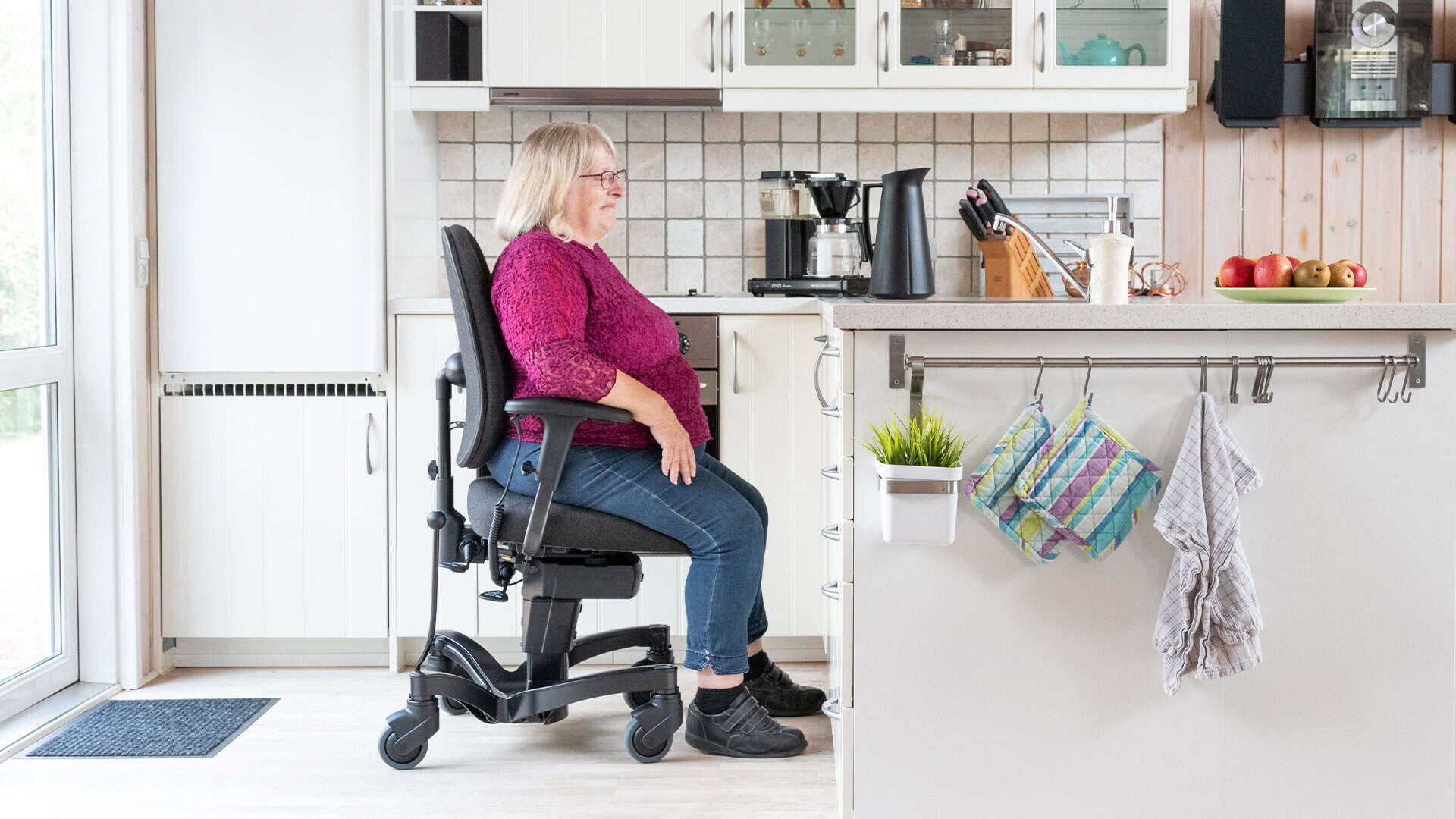
Despite the exceptional care provided by nursing homes, many seniors aspire to maintain their independence longer within their own homes. This desire is not only a matter of comfort but also of dignity and autonomy. Solutions like the VELA Independence Chair, a medically approved mobility aid, can play a crucial role in fostering this independence. The VELA Chair enhances safety and freedom of movement while seated, supporting daily activities such as cooking, dressing, and transferring, thereby reducing the load on informal caregivers. For insights into effective fall prevention strategies, mobility aids for seniors offer valuable resources.
Exploring Alternatives to Nursing Homes
For seniors wishing to remain at home, VELA Chairs offer a practical solution to prolong independence and delay the need for nursing home care. These chairs, with their central brake for enhanced safety and electric height adjustability, address critical concerns such as safety, ease of transfers, and energy conservation. Imagine preparing meals, engaging in hobbies, or simply relaxing, all with improved mobility and reduced risk of falls. This seamless support system maintains the dignity and freedom cherished by many, allowing for day-to-day activities to be managed with ease and confidence. While VELA Chairs are not the only option available, they represent a proven and practical aid in promoting safer and more independent living at home.
Regulatory and Care Innovations in 2025
The regulatory landscape now emphasizes value-based care, requiring nursing homes to adopt data-sharing, form collaborative teams with hospitals, and create more flexible, resident-centered care plans. New best practices focus on incorporating resident preferences, affordability for middle-income seniors, and ongoing quality improvement through technology integration and enhanced accountability HealthStream Provider Magazine Justice in Aging Aria Care Partners (2025).
Emerging Trends and Expert Outlook
Expert perspectives in 2025 underscore transformative roles for AI, telehealth, and digital twins in personalizing care and predicting resident needs. There is a continuous drive to integrate advanced technology without losing the human touch. Facilities now place greater emphasis on holistic care, encompassing mental health, social engagement, and spiritual support as part of overall wellness Shepherd Premier Senior Living (2025) Provider Magazine.
Sources
- Medicare.gov – Nursing Home Ratings
- ProPublica Nursing Home Inspect
- Seniorly – Long Term Care Planning Guide
- Healthcare Business Today (2025) – Assistive Technology Trends
- Lisclare (2025) – Fall Prevention in Nursing Homes
- NewsWatch TV (2025) – Assistive Technology Trends
- Shepherd Premier Senior Living (2025)
- HealthStream – Nursing Facilities Best Practices
- Provider Magazine – Long Term Care 2025 Trends
- Justice in Aging – Nursing Home Problems
- Aria Care Partners (2025) – Skilled Nursing Facility and Post-Acute Care Trends