

Updated September 2025: We have updated the article with information on new Illinois nursing home regulations, including mandatory staffing levels and fines for understaffing, expanded regulatory transparency with public violation reports, protocols for ownership changes, recent innovations in facility design and integrated care services, and important federal policy changes affecting resident rights and admissions.
Choosing the Right Palatine Nursing Home
Choosing the right nursing home for a loved one is a pivotal decision for families in Palatine, IL, especially considering the city’s limited options. Whether you’re seeking a long-term care solution or exploring aging-in-place alternatives, understanding the local landscape is essential. Palatine hosts three prominent nursing homes, each with unique services and care standards. According to Medicare.gov, official government ratings offer comprehensive insights into these nursing homes, helping guide your decision-making process. Furthermore, Elder Guide provides in-depth assessments and ratings.
Understanding Nursing Home Options in Palatine, IL
Palatine’s nursing home scene comprises three main facilities: Little Sisters of the Poor of Palatine, Aliya of Palatine, and Aperion Care Plum Grove. When selecting a facility, consider location-specific factors like proximity to family and medical services. Elder Guide grades Palatine’s nursing homes “B-minus” overall, with insights into each facility’s strengths in long-term care, inspections, and staffing. For example, Little Sisters of the Poor is reputed for its community commitment and caring environment, often hosting events that include local volunteers and intergenerational activities. These ratings are integral for making informed decisions, ensuring the quality of care aligns with your family’s needs.
Top-Rated Nursing Facilities in Palatine: Quality Ratings & Services
According to Elder Guide, Little Sisters of the Poor of Palatine stands out with an A-plus rating. This non-profit facility accepts Medicare and Medicaid and is renowned for its welcoming environment, which includes lush gardens where residents can engage in light gardening or simply relax. Aliya of Palatine and Aperion Care Plum Grove also offer substantial services and accommodations for varied healthcare needs, making them accessible to a wider range of residents. A Place for Mom highlights that these facilities’ occupancy rates, special programs, and amenities, such as activity centers, play critical roles when considering their suitability.
Medicare Coverage and Costs for Palatine Nursing Homes
Understanding the financial aspects of nursing home care in Palatine is crucial. According to Care Changes, costs range from approximately $6,059 to $6,150 monthly, varying based on care needs and additional services. Knowing that both Medicare and Medicaid can provide substantial support is reassuring for families navigating these expenses. The Illinois Department of Healthcare and Family Services offers invaluable resources on cost structures and financial planning strategies to alleviate this burden.
Comparing Palatine Nursing Homes: Staffing, Inspections, and Quality Measures
Recent changes in Illinois regulations now require all nursing homes, including those in Palatine, to meet specific minimum direct care staffing levels. Effective January 1, 2025, facilities must provide at least 2.5 hours of direct care per resident per day, with escalating fines for understaffing. This ensures residents receive consistent care and helps improve overall safety and quality. Illinois Business Journal, AJG
Illinois now also provides increased regulatory transparency. The Illinois Department of Public Health publishes quarterly nursing home violation reports, which include information about severe breaches, such as those resulting in resident harm or death. Families are encouraged to consult these reports as part of their research when evaluating facility options. IDPH, IDPH Quarterly Reports
When comparing nursing homes, focus on staffing ratios, inspection scores, and quality measures, which directly impact resident care. According to Medicare.gov and Elder Guide, these metrics provide insights into each facility’s operations and are indicative of the care level provided. Realistic scenarios, like personalized care plans for residents with dementia, demonstrate the importance of such measures. Scrutinizing inspection reports helps ensure that loved ones receive the highest quality care.
Additionally, Illinois law now requires nursing homes to submit comprehensive transition plans during any change of ownership. These plans must detail how care standards and staffing will be maintained, further securing resident wellbeing during operational changes. Hall Render The Centers for Medicare & Medicaid Services updated surveyor guidance in 2025, with stricter rules regarding resident rights and admission agreements, affecting nursing homes both in Illinois and nationwide. CMS Guidance 2025
Some Illinois facilities, such as the Lutheran Home in Arlington Heights, exemplify modern approaches to nursing home care. Innovations include updated and flexible living environments with dedicated rehabilitative services and memory care, all designed to support empowerment and resident quality of life through integrated and upgraded infrastructure. Lutheran Home
Exploring Alternatives to Nursing Homes
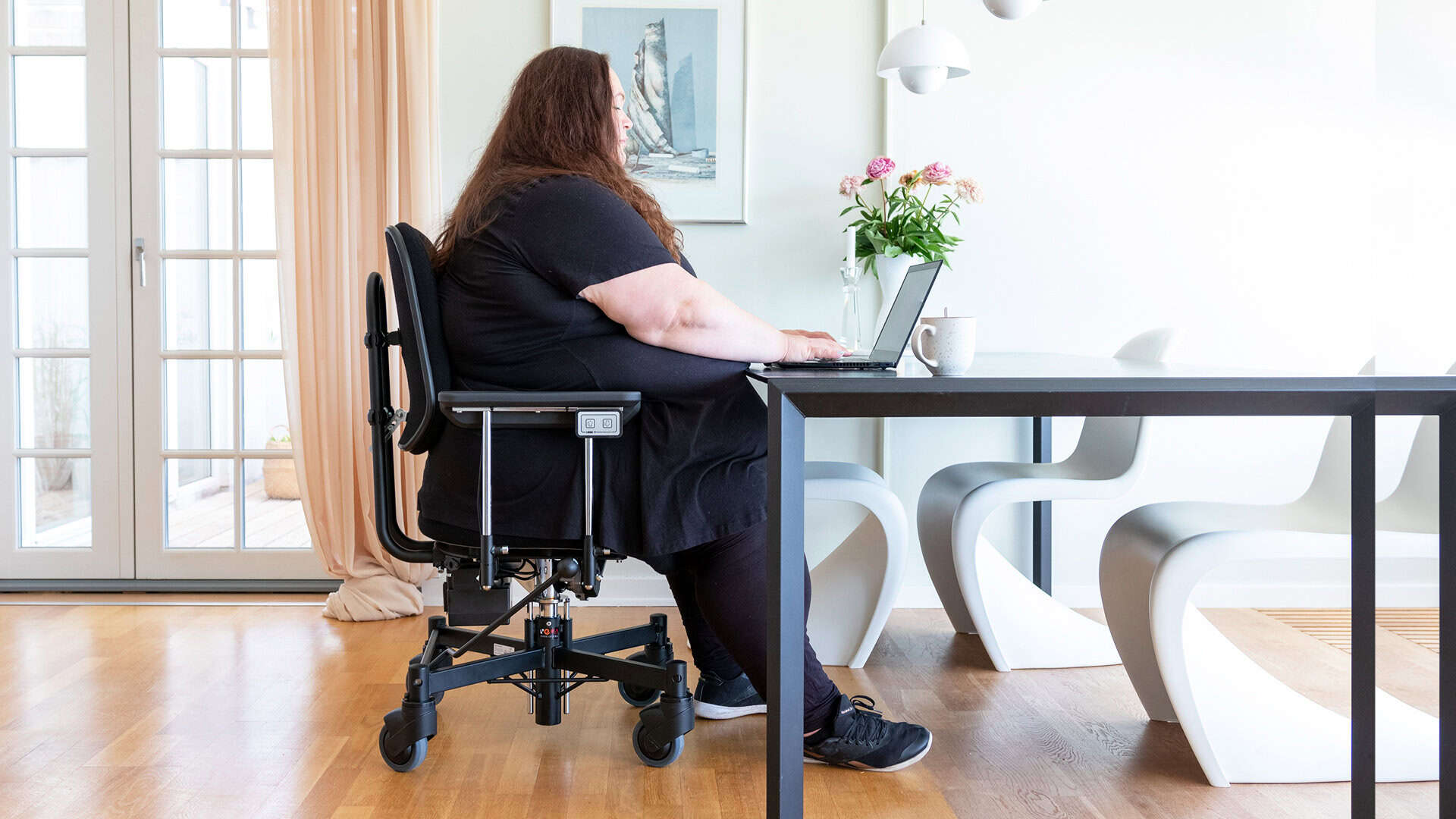
VELA chairs are just one example of how mobility solutions can enable seniors to maintain their independence at home longer, potentially delaying the need for nursing home placements. The chairs offer features such as a central brake for enhanced safety and electric height adjustability, making daily tasks like cooking and cleaning more manageable. VELA chairs facilitate seamless movement while seated, which conserves energy and reduces the need for caregiver assistance. With these enhancements, seniors can enjoy greater dignity, freedom, safety, and independence in their daily lives. While no single solution fits all, VELA demonstrates a practical and proven approach to supporting aging-in-place, complementing other forms of home care and community support.