

Updated September 2025: We have updated the article to reflect advances in smart, AI-powered assistive devices, enhanced telehealth and personalized care in rehabilitation, modern fall prevention strategies, and new policy directions prioritizing non-drug behavioral management and person-centered care in nursing homes.
Understanding PAM Health: Beyond the Traditional Nursing Home
When people hear “PAM nursing home,” they might envision a traditional facility providing basic care for seniors. However, PAM Health redefines this notion by offering a comprehensive range of advanced services that extend beyond those of conventional nursing homes. According to PAM Health, the organization operates in several states across the U.S., including Texas, Pennsylvania, and Florida, specializing in post-acute care services such as long-term acute care, intensive rehabilitation, and comprehensive medical management.
The primary distinction between PAM Health facilities and traditional nursing homes is their approach to patient care. Instead of focusing on long-term maintenance, PAM Health emphasizes specialized medical services targeting rehabilitation and recovery. They offer a continuum of care designed to meet complex medical needs, raising the bar for patient satisfaction and regulatory compliance. According to Medicare.gov, PAM Health facilities consistently receive commendable ratings for their quality of care and patient outcomes.
Patient testimonials further highlight this distinction. Many patients and families praise the expertise and personalized attention offered by PAM Health. For example, a family member noted that targeted rehabilitation at a PAM Health facility significantly improved their loved one’s mobility and confidence post-surgery, underscoring the value of specialized care.
PAM Health Services and Facility Overview
PAM Health operates an extensive network of facilities across the nation, each providing specialized care programs tailored to specific medical needs. Notably, their services include advanced programs such as respiratory care, wound management, and intensive rehabilitation. These offerings are crucial for patients who require comprehensive recovery plans post-surgery or after prolonged hospital stays.
Modern PAM Health facilities increasingly adopt AI-assisted technologies and telehealth services to enhance recovery outcomes. The integration of wearable health monitors and smart mobility aids empowers clinicians to monitor and respond proactively to patient needs, minimizing complications and supporting independence. Facility environments are designed to promote wellness with features such as natural lighting, green spaces, and areas facilitating social interaction, emphasizing a holistic approach to recovery. These trends reflect the shift toward person-centered care that supports both physical and emotional well-being.
For instance, the PAM Health Specialty Hospital of Rocky Mount, NC, is known for its robust capabilities in managing complex medical conditions and ensuring patients receive the highest caliber of care. According to Nursa, each location is accredited and maintains high patient satisfaction scores due to their expertise and rigorous care standards.
Licensed clinicians often commend PAM Health’s collaborative, multidisciplinary approach. By bringing together specialists from various fields, these facilities ensure that patients are not only treated for their immediate medical conditions but also supported holistically throughout their recovery journey.
How to Choose the Right Post-Acute Care Facility
Selecting the right post-acute care facility involves several considerations. Prospective patients and their families should evaluate the specific services required, the geographic location of the facility, and the associated costs. Understanding what insurance covers and exploring financial planning options is essential for ensuring continuity of care.
High-quality facilities like PAM Health provide transparency in their service offerings and costs. Prospective patients can assess facility quality by reviewing accreditation status and patient satisfaction scores available on sites such as Nursa and HealthFinder Florida. Real-life experiences of successful recoveries offer reassurance about the effectiveness of these facilities. For example, many patients report successful outcomes with PAM Health’s comprehensive rehab programs that significantly reduced recovery time.
Modern facilities now place a strong emphasis on fall prevention and safe environments. Updated best practices focus on individualized risk assessment, the use of non-slip flooring and handrails, and ongoing staff education to support rapid and effective response to any incidents.
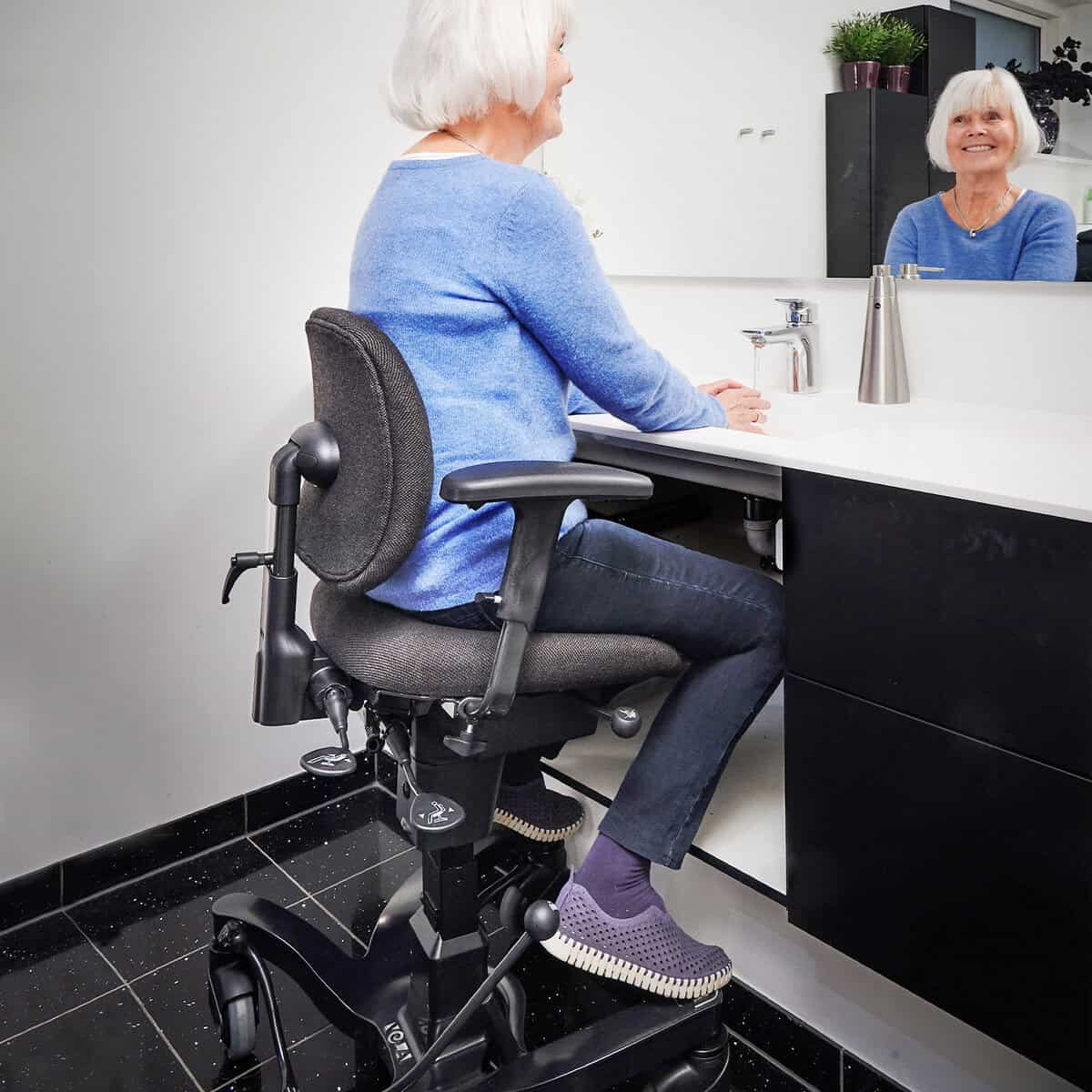
In navigating the challenges associated with traditional nursing homes, families often seek options that allow seniors to maintain their independence and quality of life at home. One solution is the use of mobility aids, like the VELA Independence Chair, which is designed to facilitate safe and autonomous living. This medically approved chair not only supports seniors in their daily routines by ensuring ease of transferring and enhanced mobility but also reduces the burden on informal caregivers by offering a stable and adjustable seating arrangement. Whether assisting with tasks like cooking or dressing, the VELA Chair provides the freedom to move, contributing positively to both safety and independence at home.
Reducing Caregiver Burden Through Smart Seating
For seniors seeking to maintain independence while receiving adequate support, innovative solutions like the VELA Independence Chair can be instrumental. Technology-supported chairs are now evolving to integrate with apps and offer personalized settings for safety and convenience. The VELA Chair features a central brake system for added safety and an electric height adjustability function, allowing users to move effortlessly between different activities such as cooking, cleaning, and dressing. As seniors navigate daily life, these features help to prevent falls and reduce energy expenditure, assisting in tasks seamlessly. Additionally, the ease of maneuvering while seated offers a level of dignity and freedom that many individuals desire. While the VELA Chair is not the only option available, its thoughtful design supports a fulfilling life at home, potentially delaying the need for nursing home care. For more on how such tools can aid independence and fall prevention, visit Elderly Fall Prevention Tips.
Advancements in enabling technology, such as AI-integrated wheelchairs and wearable health devices, now complement traditional mobility aids to further support independence and reduce hospitalizations. These technologies are increasingly being adopted not only in institutional settings but also at home, helping to ease caregiver burden and empowering seniors to remain in their preferred environment for longer periods.
Additionally, current best practices in post-acute and nursing home care promote a reduction in unnecessary psychotropic medication use. Facilities now focus on non-drug behavioral management strategies, including music therapy, personalized activities, and regular exercise. This approach, together with culture-sensitive, person-centered care, respects resident independence and enhances satisfaction and outcomes.
References
- PAM Health
- Medicare.gov
- Nursa
- Nursa
- HealthFinder Florida
- VELA Chairs – Fall Prevention Tips
- SynchronyFL, “The Future of Home Health Care: Trends to Watch in 2025”
- Lisclare, “Fall Prevention in Nursing Homes: Best Practices for 2025”
- Sparkco AI, “The Future of Skilled Nursing Technology: Trends for 2025”
- Shepherd Premier Senior Living, “Choosing the Right Healthcare & Rehab Center in 2025”
- UnitedHealthcare Community & State, “How enabling technology is transforming home-based care”
- Justice in Aging, “25 Common Nursing Home Problems & How to Resolve”
- Everything Medical Online, “The Latest Trends in Mobility Aid Technology for 2025”
- Skilled Nursing News, “Top Skilled Nursing Trends for 2025”