

Updated September 2025: We have updated the article to include the latest advancements in AI-powered assistive devices, smart home technologies, telehealth solutions, and evolving regulatory guidelines. These updates highlight new options for enhancing independence, safety, and dignity for nursing home residents wishing to return home, as well as innovative ways to ease caregiver workload and facilitate person-centered home care.
Helping When a Parent in Nursing Home Wants to Go Home
Navigating the emotional and practical intricacies of a parent expressing the desire to leave a nursing home and return home can be challenging. According to the CDC National Center for Health Statistics, nearly 74% of nursing home discharges are live discharges, which underscores the commonality and complexity of such situations. Understanding your parent’s motivations, knowing their legal rights, and considering the feasibility of home care as an alternative are pivotal steps.
Understanding Why Your Parent Wants to Leave Their Nursing Home
It is not uncommon for nursing home residents to express a desire to leave. Emotional factors, such as feelings of isolation or anxiety due to being away from familiar surroundings, often contribute to this wish. Dissatisfaction with care or a lack of personalized attention also plays a role. For instance, a resident might miss their home-cooked meals or the freedom of unscheduled daily routines. Listening to these concerns and validating their feelings is crucial for open communication. According to the Centers for Medicare & Medicaid Services (CMS), addressing emotional needs can lead to better outcomes and a feasible plan for transition.
Legal Rights of Nursing Home Residents Regarding Discharge
Under the federal Nursing Home Reform Law of 1987, residents are protected from involuntary discharge except under specific conditions, such as when their health needs cannot be met or they no longer require nursing home care. Should a nursing home propose a discharge, residents and their families have the right to appeal. The National Long-Term Care Ombudsman Resource Center emphasizes the importance of understanding these rights, ensuring that families can effectively advocate for their parent’s preferences. According to the Disability Law Center, all discharge notices must be in writing and given with at least 30 days’ notice, providing residents time to prepare for possible transitions. Evolving regulatory trends and new AI guidelines from both state and federal levels now further safeguard privacy, reduce bias, and promote the ethical use of technology for senior living, directly influencing how discharge and home transition procedures are managed Skilled Nursing News.
Evaluating If Home Care Is a Viable Alternative
Determining whether home care is a realistic option requires a thorough assessment of your parent’s needs, alongside a comparison with what home care can offer. According to the U.S. Department of Health and Human Services (ASPE), the viability of returning home depends on whether adequate care can be provided safely. Home care services, while supportive, significantly differ from the comprehensive support available in nursing facilities. In recent years, AI-enabled assistive technologies and smart home solutions have become integral for supporting independence at home. These include automated lighting, smart medication dispensers, voice-activated systems, fall detection devices, and AI-powered voice browser platforms, all of which increase safety and reduce caregiver burden Synchrony Florida ButterflyMX Sparkco AI UnitedHealthcare Community & State. Practical considerations include evaluating the safety of the home environment, determining if modifications are needed (such as installing ramps or grab bars for safe mobility), and exploring the integration of technologies like advanced sensors and remote monitoring for added support Health Journalism.
Creating a Safe Home Environment for a Discharged Parent
Creating a safe and welcoming environment at home is essential for a successful transition. This process may involve making structural modifications like ramps, grab bars, or installing lifting equipment to accommodate mobility challenges. Ensuring a home is safe and accessible is paramount. For instance, a home with multiple stories might require stairlifts for safe navigation. In addition to physical changes, newer person-centered models incorporate smart home safety features: AI-powered fall detection via wearables or LiDAR sensors, voice-activated assistance, and remote patient monitoring for health and well-being. Telehealth and coordinated support with healthcare providers now form a foundational part of modern home care, helping address workforce shortages and enabling more effective aging in place UnitedHealthcare Community & State Health Journalism. According to CMS guidelines, there are resources and potential financial assistance available to aid in making these necessary adjustments.
VELA’s Role in Supporting Independence
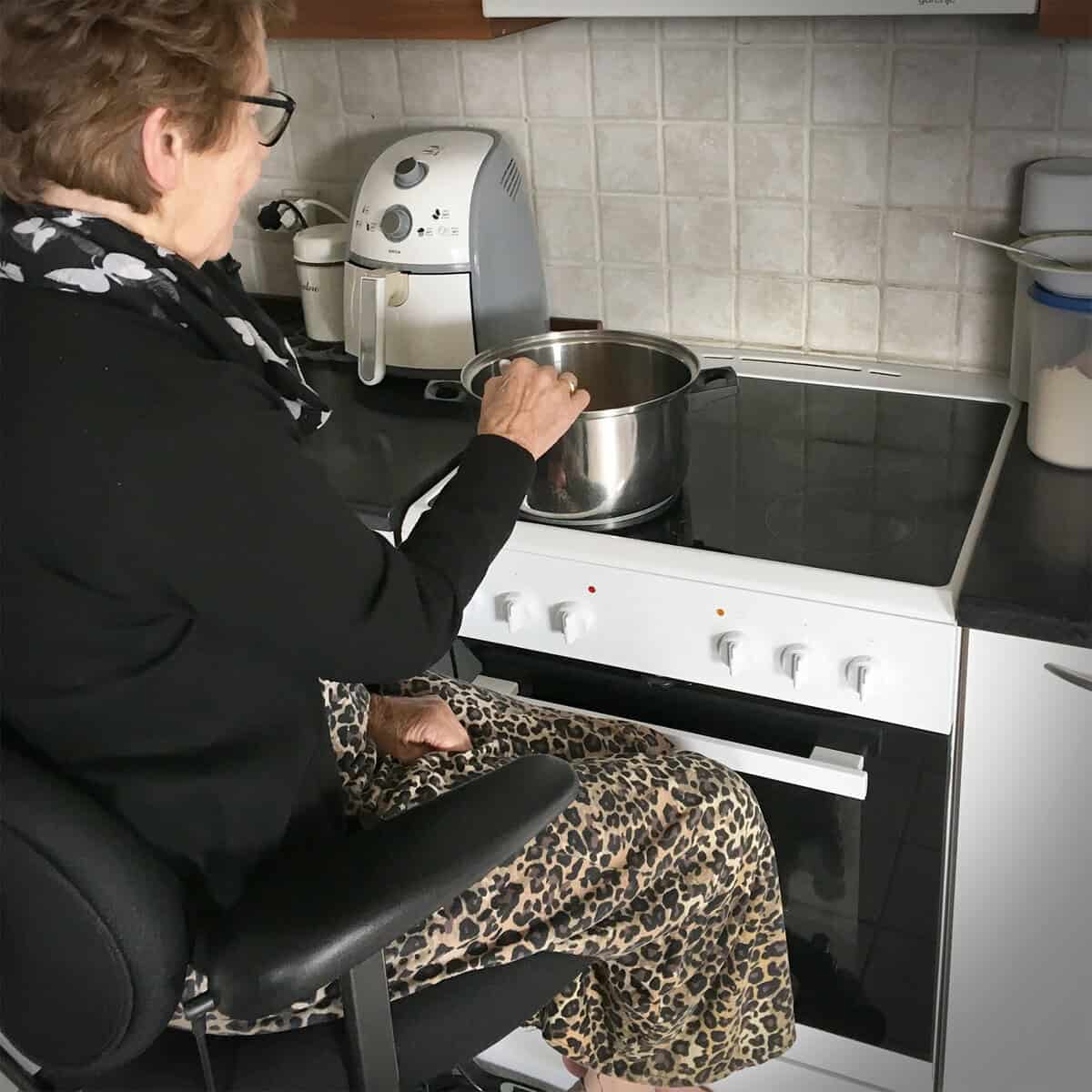
Transitioning from a nursing home to independent living at home presents unique challenges, including ensuring safety, comfort, and facilitating daily activities without straining caregivers. As older adults strive to maintain their independence, solutions like the VELA Independence Chair can be instrumental. This medically approved mobility chair is designed to be used at home, offering enhanced safety features, freedom of movement while seated, and essential support for everyday activities such as cooking, dressing, or transferring. By reducing the physical demands on informal caregivers, the VELA chair plays a vital role in empowering seniors to remain autonomous in their familiar environment while easing the transition back home. When combined with AI-powered home technologies and remote health monitoring, solutions like the VELA chair can further strengthen both safety and autonomy as part of a modern, tech-enabled care plan ButterflyMX UnitedHealthcare Community & State.
How Mobility Solutions Like VELA Make a Difference
Mobility solutions such as VELA Chairs provide significant support for those aiming to stay independent at home longer. Living Independently at Home, VELA Chairs feature a central brake for safety, electric height adjustability, and ease of movement while seated, addressing common challenges like safe transfers and energy conservation. By offering a safe and dignified way to engage in daily activities such as cooking, cleaning, and relaxing, these chairs enhance the quality of life. While not the only solution, VELA Chairs are a proven and practical option, allowing individuals to delay or even potentially avoid the need for a nursing home. As smart home and assistive technologies rapidly evolve, the integration of movement-supportive chairs like VELA within a broader digital care ecosystem, including hands-free AI navigation and continuous remote monitoring, can further empower residents and caregivers Sparkco AI Synchrony Florida. For further insights, see Mobility Solutions for Independence, which detail how these products can support a meaningful and independent lifestyle at home.