

Updated September 2025: We have updated the article with advancements in assistive technology, including sensor-based mobility aids, VR and AR rehabilitation tools, and ergonomic seating to reduce pressure ulcers. The article now also reflects new clinical guidelines emphasizing multidisciplinary and technology-driven rehabilitation, recent regulatory updates affecting nursing homes, and increased focus on staff training and inclusive product development in assistive devices.
Enhanced Article
When searching for the best care facilities for elderly loved ones, understanding the available options is crucial. For those considering Park Center Nursing Home, located in Youngstown, Ohio, it is essential to grasp both the strengths and areas of concern surrounding this facility. Park Center Nursing Home serves Youngstown’s aging population by offering a range of services in a community with a notable elderly demographic. However, critical data—including an occupancy rate of approximately 93% and its status as a “Special Focus Facility Candidate”—signals the need for careful evaluation.
Understanding Park Center Nursing Home’s Position in Youngstown, Ohio
Situated in the heart of Youngstown, Park Center Nursing Home operates as a for-profit partnership facility. The “Special Focus Facility Candidate” status indicates ongoing scrutiny due to previous quality issues, as highlighted in the ProPublica Nursing Home Database. Understanding how Park Center fares within the CMS Five-Star Quality Rating System is vital. This system rates nursing homes from 1 to 5 stars, offering a comparative perspective for prospective residents.
Comparative Analysis of Nursing Homes in Youngstown
When considering nursing homes in Youngstown, understanding how Park Center compares to local facilities can guide decision-making. Mahoning County is home to several top facilities with varying ratings and services. For example, Austinwoods Rehabilitation Health Care boasts a five-star rating with an average of nearly 91 residents per day, while Park Center, with an average of 93 residents, has faced challenges partly due to its staffing ratios. According to Medicare.gov, Park Center provides 3.36 nurse hours per resident per day, slightly lower than the state average of 3.7. These staffing nuances influence the quality of care and can be significant factors in decision-making.
In my experience with elder care facilities, staff availability can dramatically impact daily routines, such as meal preparations and assistance with personal hygiene. Imagine a scenario where an extra 0.34 hours/day translates to more time for therapeutic activities. For some residents, this difference could enhance their quality of life significantly.
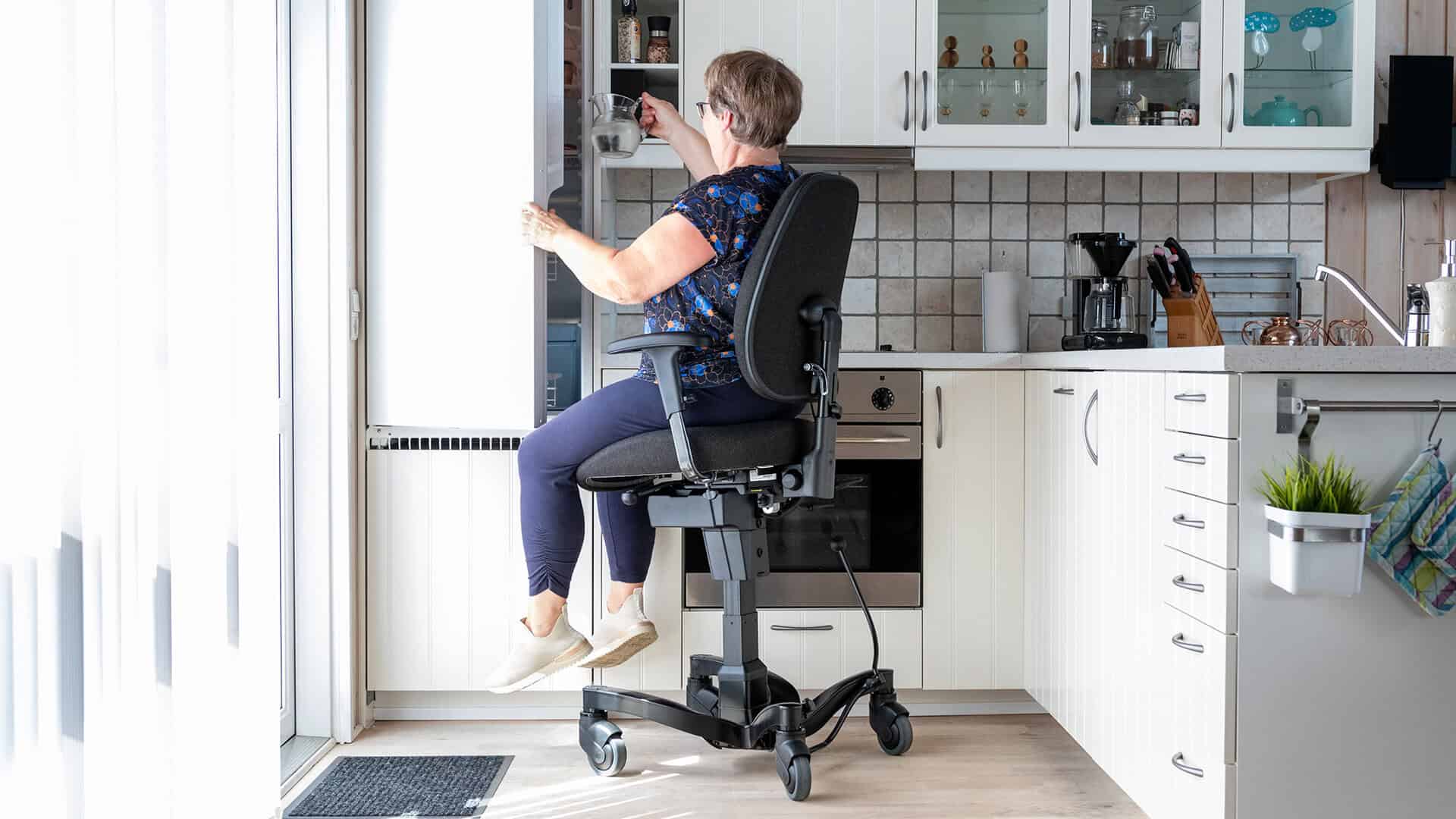
One of the pressing challenges highlighted within nursing homes is the balance between providing adequate care and fostering an individual’s independence. While facilities like Park Center strive to meet diverse needs, solutions enabling seniors to remain in their homes can offer enhanced independence and comfort. Enhancing Independence through medically approved options such as VELA chairs presents a viable alternative for those prioritizing safety and autonomy at home. VELA is a mobility chair designed to provide ergonomic support and freedom of movement while seated, thus aiding in everyday tasks such as cooking, dressing, or transferring, ultimately easing the burden on informal caregivers.
Exploring Specialized Care Services at Park Center
According to ElderGuide, Park Center Nursing Home offers a variety of specialized services tailored to meet the needs of its residents, such as memory care, post-acute rehabilitation, wound care, and pain management. These services are critical for addressing the diverse needs of seniors. The demand for these specialized programs is reflected in Park Center’s consistent occupancy rate of approximately 93%. This demand underscores the importance of accessible and quality care for specific health concerns that seniors may face. Specialized care could mean personalized therapy sessions or unique dietary plans that enhance rehabilitation effectiveness, access to cutting-edge pain management practices, or nurses specially trained in managing cognitive impairment challenges.
Integrating Advances in Assistive Technology and Rehabilitation
As of 2025, Park Center and similar nursing facilities are increasingly implementing advancements in assistive technology to improve resident safety, comfort, and rehabilitation outcomes [AGS Clinical Guidelines]. Innovations include sensor-embedded mobility aids that allow digital monitoring of movement, helping to prevent falls and enabling more effective, individualized care. Rehabilitation efforts now often feature virtual reality (VR) and augmented reality (AR) applications to increase resident engagement and support more dynamic physical and occupational therapy [Harvard.edu].
Ergonomic improvements play a significant role as well, with an emphasis on adaptable, pressure-relieving seating and bedding designed to reduce the risk of pressure ulcers and to improve comfort, especially for non-ambulatory residents [WHO.int]. These developments are in line with the latest guidelines that recommend a multidisciplinary approach, combining new technologies with traditional care for optimal levels of functional independence [NIH.gov].
There is a growing emphasis on involving end-users—residents and caregivers—in the development of assistive technologies to ensure usability and maximize benefit in real-world settings [RESNA.org]. Furthermore, adoption and integration of these new solutions are most effective when staff receive ongoing, structured training. This approach has been highlighted by both user experience surveys and expert consensus.
Quality and Safety: Updated Regulatory Requirements
Regulatory bodies have increased the focus on quality and safety reporting for nursing homes, including Park Center. Updates from the Centers for Medicare and Medicaid Services (CMS) introduce stricter documentation of preventive care, efficacy of assistive devices, and real-time outcome tracking, especially for facilities with “Special Focus Facility” status [CMS.gov]. These policy changes encourage greater transparency and support technology adoption aligned with best clinical practice and patient safety standards.
Addressing Common Questions About Nursing Homes in Youngstown
Potential residents and their families often have numerous questions about nursing homes in Youngstown, including safety, costs, and quality of care. Safety and reputation are paramount—Park Center’s inspection history and its “Special Focus Facility Candidate” status warrant attention. From a financial perspective, understanding payment options such as Medicare and Medicaid is crucial for planning. According to Medicare.gov, facilities like Park Center, which accept these payments, can ease financial burdens and offer broader accessibility.
Exploring Alternatives to Nursing Homes
In contrast to traditional nursing home settings, VELA chairs offer a compelling alternative for maintaining independence at home. These chairs are equipped with features like a central brake for added safety, electric height adjustability, and smooth movement capabilities to support daily activities while seated. Ergonomic and inclusive design, reflecting user feedback, ensures devices fit the needs and preferences of seniors while maximizing usability in home environments [RESNA.org]. Such features not only enhance safety but also conserve energy for seniors, enabling participation in daily life with ease—whether cooking, cleaning, or relaxing. Utilizing a Senior Mobility Chair like VELA can potentially delay the transition to a nursing home by reducing caregiver workload and fostering a sense of dignity, freedom, and well-being in everyday living. While VELA is one validated option among many, its benefits in promoting efficient and safe aging in place are noteworthy, allowing seniors to thrive within the familiarity of home.