

Updated September 2025: We have updated the article with new information on AI-powered assistive devices, wearable health monitors, telehealth technology in senior care, and recent CMS regulatory changes impacting nursing home operations and resident rights.
Understanding Park Terrace Nursing Home
When navigating the complex landscape of nursing home options, “Park Terrace Nursing Home” frequently emerges as a notable choice due to its reputable facilities spread across multiple states, including New York, Ohio, and Kentucky. Among them, the Park Terrace Care Center in Corona, New York, is distinguished as a premier facility offering comprehensive care services. Its commitment to personalized care is evidenced by a nurse allocation of 3.74 hours per resident per day, surpassing the New York state average of 3.6, according to Medicare.gov.
Overview of Park Terrace Care Facilities
Park Terrace operates as a for-profit corporation, with several facilities spread across New York, Ohio, and Kentucky. The Corona, New York facility, located at 59-20 Van Doren Street, is particularly noteworthy, boasting a high occupancy rate of 95%, indicating strong demand for its services as noted by New York State Health Profiles. The facilities range in size and service offerings, facilitating programs from basic nursing care to specialized treatments, such as dementia care and traumatic brain injury rehabilitation, catering to both short-term and long-term residents.
Park Terrace Care Center (NY): Services and Specialties
Prominently, the Park Terrace Care Center in New York highlights its specialized Traumatic Brain Injury Program. Beyond this, it offers a wide array of services, including advanced rehabilitation and comprehensive dementia care, supported by 24-hour nursing. This contributes to enhanced resident well-being. Resident and family testimonials often commend the center for its compassionate and expert care, integral to the facility’s service-based ethos (1800NYNYLAW).
Staffing and Quality Measures at Park Terrace
Staffing quality remains pivotal in healthcare settings, and Park Terrace is no exception. The facility reports a nurse turnover rate of 35.2%, which is below the New York state average of 41.8%, suggesting a stable workforce, according to ProPublica. Despite industry-wide staffing challenges, Park Terrace strives to uphold high care standards, reflected in its commendable flu vaccination rate of 83.0%, notably higher than many comparable facilities (New York State Health Profiles).
Resident Experience and Care Quality
The positive resident experience at Park Terrace is underscored by its lower hospitalization rate of 1.73 per 1,000 long-stay resident days, surpassing the national average of 1.75 (ProPublica Nursing Home Inspect). The facility fosters active participation of resident councils and family engagement in care planning, key to providing tailored resident care. Moreover, the center actively addresses issues highlighted in deficiency reports to continuously ameliorate care standards, further enhancing its reputation.
Integrating Technology and Modern Practices in Resident Care
In alignment with the most current trends in senior care, Park Terrace facilities—and leading nursing homes nationwide—are increasingly implementing advanced technology to support resident autonomy, safety, and health. AI-powered assistive devices, including smart wheelchairs with GPS, collision avoidance, integrated health monitoring, and voice control, provide enhanced independence and customized support for residents with limited mobility (Everything Medical Online). Wearable health monitors and fall detection systems now enable continuous tracking of vital signs and rapid emergency intervention, improving daily safety and well-being (SynchronyFL). Telehealth and remote monitoring have become essential, offering residents convenient access to virtual medical consultations and allowing ongoing health data review without leaving the facility (ButterflyMX, Healthcare Resource).
Smart home integrations within facilities, such as voice-activated assistants, automated lighting, and medication reminders, further foster comfort, autonomy, and safety. Moreover, the latest assistive technologies emphasize ergonomic and inclusive design, adapting to user needs and supporting improved rehabilitation and everyday usability (SynchronyFL, Everything Medical Online).
CMS Regulatory Updates and Quality Assurance
Effective in 2025, the Centers for Medicare & Medicaid Services (CMS) have instituted comprehensive revisions to nursing home surveyor guidance, impacting operations at facilities like Park Terrace. These updates mandate stricter compliance regarding staffing levels, psychotropic medication use, resident rights, and quality assurance standards. Additionally, the new regulations emphasize enhanced infection control protocols and a reinforced commitment to health equity and resident-centered care. Facilities are expected to integrate these requirements, prioritizing resident autonomy, informed consent, ethical use of restraints, and robust continuous quality improvement initiatives (Sandberg Phoenix, Hall Render, Paltmed.org, American Health Care Association).
Choosing the Right Care Setting
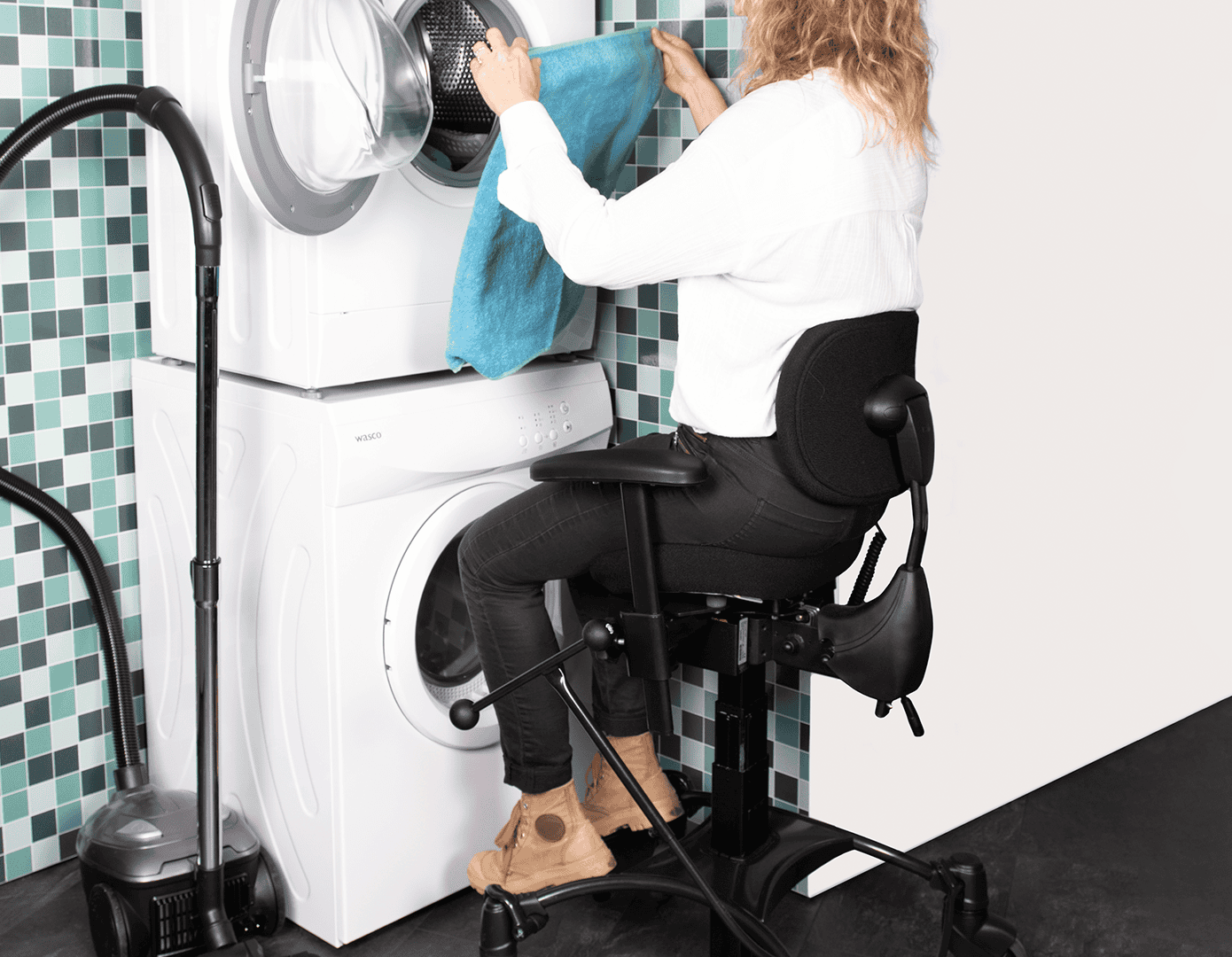
For many families, the decision to move a loved one into a nursing home is difficult, even with great facilities like Park Terrace. Family members wanting to support more independence may turn to solutions that enable seniors to remain in their own homes longer. Here, the VELA Independence Chair presents a viable alternative. This medically approved mobility chair is designed for home use, promoting enhanced safety and freedom of movement while seated. VELA chairs support daily tasks such as cooking, dressing, or transferring, all while reducing the burden on informal caregivers. By equipping homes with such supportive tools, families can balance between professional care environments and independent living options for their loved ones.
Exploring Alternatives to Nursing Homes
Staying independent longer at home is a realistic goal for many seniors, particularly with the support of tools like the VELA Independence Chair. This mobility chair offers safety features such as a central brake and electric height adjustability, providing stability during activities like cooking or dressing. Its ease of movement allows seniors to interact with their surroundings and maintain a sense of freedom and dignity in everyday tasks, potentially delaying the need for nursing home care. While several options exist, VELA chairs are a proven and practical solution, particularly due to their focus on safety and energy-saving features for both users and caregivers. By fostering an environment of support and mobility (Enhancing Mobility for Seniors, Safety and Fall Prevention with Mobility Aids), homes equipped in this manner continue to empower seniors well into later stages of life.
Everything Medical Online
SynchronyFL
ButterflyMX
Healthcare Resource
Sandberg Phoenix
Hall Render
Paltmed.org
American Health Care Association