

Updated September 2025: We have updated the article with new information on AI-assisted personalized rehabilitation, ergonomic and inclusive design features in nursing home equipment, current regulatory changes affecting care and payment models, non-drug behavioral health practices, telehealth adoption, and wellness-focused facility trends relevant to Pawtucket Falls Nursing Home and alternative care solutions.
Pawtucket Falls Nursing Home: Navigating Care Options and Enhancements
When exploring elder care solutions in Pawtucket, Rhode Island, Pawtucket Falls Nursing Home, also referred to as Pawtucket Falls Healthcare Center, is a prominent consideration due to its notable 1-star rating from Medicare. Understanding what this facility offers and evaluating alternative options is crucial for families making informed decisions.
According to Medicare.gov, Pawtucket Falls Nursing Home is currently rated 1-star, indicating significant areas needing improvement. Additionally, ProPublica classifies it as a Special Focus Facility Candidate, highlighting the necessity for immediate service enhancements to address care deficiencies.
Overview of Pawtucket Falls Nursing Home
Nestled in Pawtucket—a city known for its historical significance and an aging population—Pawtucket Falls Nursing Home accommodates up to 154 residents but typically houses around 89 daily, according to NursingHomeSite.com. Managed by a larger healthcare group, the facility has weathered various challenges, with recent state interventions aiming to ensure continuous care, as noted by the Rhode Island Department of Health.
Residents and their families should be alert to the findings from health inspection reports, which underscore the urgent need for operational enhancements. Regulatory bodies constantly monitor such facilities to guarantee adherence to quality and safety standards, yet the facility’s current rating points to significant unresolved issues. In 2025, regulatory changes in Rhode Island—such as the adoption of the Patient-Driven Payment Model (PDPM) for Medicaid reimbursement—have begun to directly incentivize more individualized care planning using advanced assessment tools and technologies, aiming for higher-quality outcomes and safety for residents.Rhode Island Medicaid Nursing Facility Rate Development Report (2025)
Ratings, Ownership, and Staffing Analysis
Staffing is pivotal to maintaining satisfactory care quality. ProPublica reports that Pawtucket Falls Nursing Home provides approximately 4.06 hours of nursing care per resident per day, exceeding the state average. However, with a staff turnover rate of 45.9%, the continuity and consistency of care are problematic, likely affecting residents’ everyday experiences and care quality.
Operating as a for-profit institution, Pawtucket Falls Nursing Home may prioritize financial objectives, influencing the ability to uphold superior care standards and retain competent staff. Families considering this facility must weigh these factors when assessing potential costs and care outcomes. The 2025 industry landscape also sees facilities like Pawtucket Falls under increased pressure to adopt technologies that support personalized care, such as AI-assisted rehabilitation programs and wearable devices for mobility and health monitoring, which can further support staff and enhance resident safety and recovery.Skilled Nursing News
Senior Care Landscape in Pawtucket, RI
In Pawtucket, where approximately 32.2% of the population is over 50, the need for nursing facilities is pronounced. Comparatively, other local nursing homes usually achieve average ratings of three stars, as per the Providence Reporter. Pawtucket Falls Nursing Home, however, warrants extra attention due to its relatively low rating and requisite for corrective measures.
The monthly cost for care in Rhode Island typically oscillates between $9,000 to $11,000, which families must judiciously consider against the care quality reports. In 2025, many nursing homes are investing in universal design principles for rooms and equipment—such as modular adjustable beds, smart pressure-relieving mattresses, simplified interfaces for those with cognitive impairments, and spaces that maximize comfort and promote independence. These improvements, alongside wellness-focused designs (including natural light and calming green spaces), are part of broader efforts to enhance resident well-being and health.Sterling Care Health Services
It is advisable to explore all available facilities in the area to ensure optimal care for loved ones. Families and caregivers should also be aware of the expansion of telehealth options in rehabilitation and primary care, which allow residents to access remote consultations with specialists, improving continuity of care without requiring disruptive travel or transfers.Skilled Nursing News
Exploring Alternatives to Nursing Homes
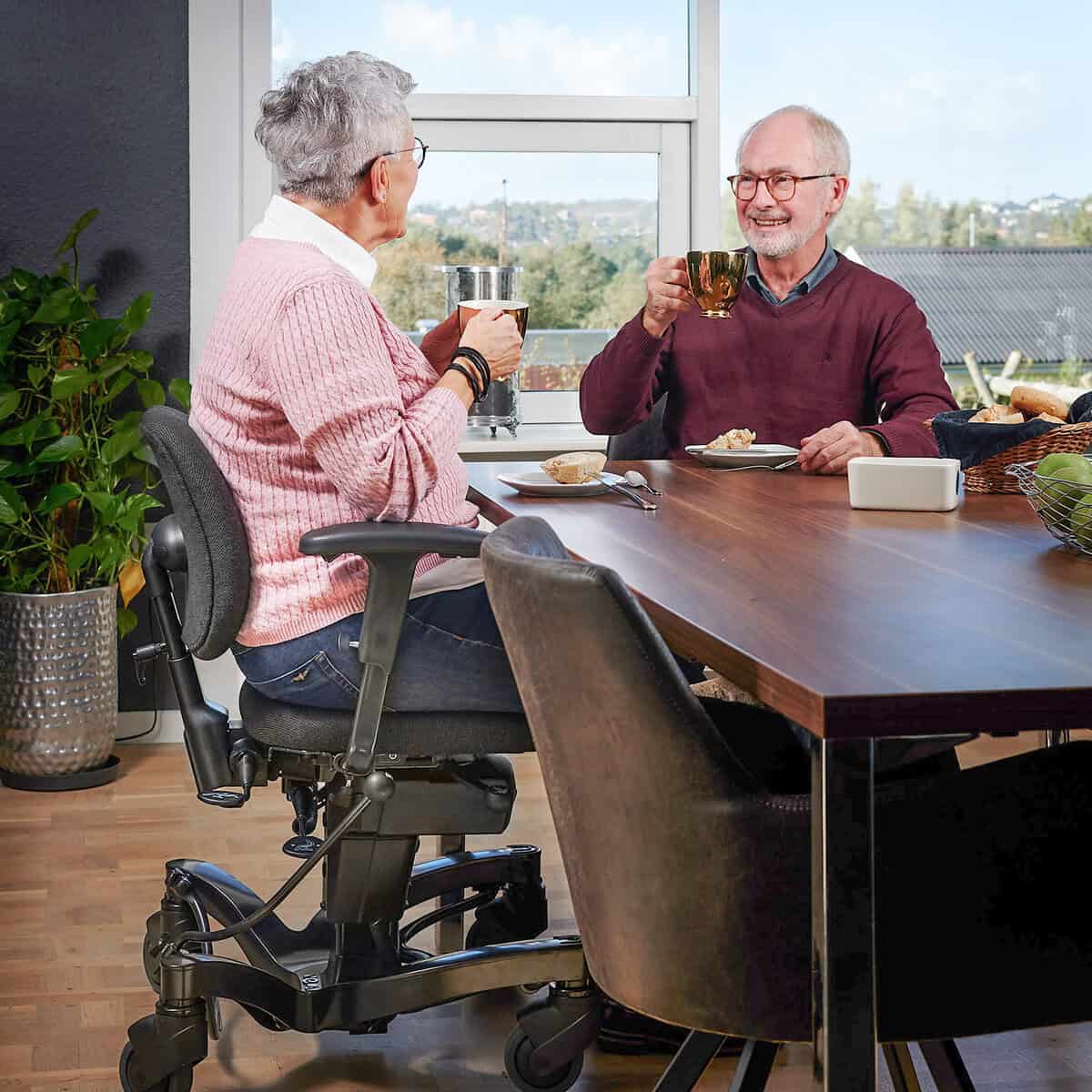
Given these challenges within traditional nursing homes, it’s worth considering other options that allow older adults to maintain their independence while staying safe. This shift to home-based care solutions is increasingly celebrated for its potential to enhance quality of life. Amongst these, the VELA chair presents a notable solution. Designed as a medically approved mobility chair for home use, VELA offers safety features, ease of movement while seated, and supports activities like cooking, dressing, or transferring. These features lessen the strain on informal caregivers, enhancing the ability of older adults to age in place with dignity and independence.
How Mobility Solutions Like VELA Make a Difference
Mobility aids such as VELA chairs can notably impact the lives of seniors wishing to remain at home longer. Incorporating features like a central brake for safety, electric height adjustability, and ease of movement while seated, these chairs can effectively prevent falls and reduce energy expenditure. The benefits extend beyond individual comfort; they have the potential to delay the necessity of entering a nursing home, delivering valuable peace of mind to families. While VELA is not the only solution in the market, its effectiveness in enhancing everyday life through improved safety and freedom transforms the aging experience, allowing activities like cooking and relaxing to be approached with newfound ease.
Behavioral Health and Non-Drug Interventions
Best practice in 2025 underscores a commitment to behavioral health through non-drug interventions, particularly for those with dementia or other mental health needs. Nursing homes are moving away from reliance on psychotropic medications (often used as chemical restraints) and instead implementing music therapy, individualized activities, and increased access to exercise and sensory engagement. This trend is aimed at promoting holistic well-being while minimizing adverse drug events and supporting personalized care.Justice in Aging
Conclusion
Choosing and evaluating nursing care options in 2025 requires attention to both regulatory and technological advancements, including the implementation of AI-driven rehabilitation, inclusive design of equipment, advanced non-drug behavioral interventions, and increased access to telehealth. Families should consider both in-facility and at-home solutions equipped with smart assistive devices and universal design to best meet the evolving needs of their loved ones.