

Updated September 2025: We have updated the article to reflect recent advancements in AI and robotic assistive technologies, the adoption of personalized care models including the 4Ms framework, new policy and funding trends supporting in-home and community-based care, and ongoing workforce challenges driving technology integration in nursing homes.
PCA Nursing Home: The Vital Role of Personal Care Assistants in Senior Care Facilities
Exploring the concept of “PCA nursing home” reveals the critical impact Personal Care Assistants (PCAs) have in the dynamic environment of nursing homes. As the demand for individualized care in these facilities grows, PCAs emerge as essential providers of compassion and skilled assistance. Reinforcing this growth is the forthcoming 4.2% increase in Medicare payments to skilled nursing facilities for fiscal year 2025, as stated by the Centers for Medicare & Medicaid Services (CMS). These developments, along with expanded policy initiatives for home-based care, underscore the significant role PCAs have in elderly care.[1]
What Does a Personal Care Assistant Do in Nursing Homes?
In nursing homes, PCAs are integral to resident care, providing essential services that elevate the living standards of seniors. They assist with daily tasks such as bathing, dressing, and eating—activities that many residents may struggle to perform independently. By understanding and addressing these fundamental needs, PCAs promote a supportive and nurturing environment. Increasingly, their work is supported by advanced assistive technologies, such as AI-driven and robotic devices, which help enhance residents’ independence and optimize daily living assistance as part of a holistic, age-friendly care approach.[2]
While the roles of PCAs, Home Health Aides (HHAs), and Certified Nursing Assistants (CNAs) often overlap, they maintain distinct functions. PCAs primarily focus on personal care tasks, CNAs extend into basic medical care, and HHAs typically serve individuals in home settings. According to Kensington Place Redwood City, PCAs are crucial in tailoring care to meet the unique needs of each resident within the structure of nursing home life. The growing emphasis on consumer input and emotional safety means care plans now increasingly reflect what matters most to each resident, often within evidence-based frameworks like the 4Ms (What Matters, Medication, Mentation, Mobility).[3]
Real-world experiences underscore the relational nature of the PCA role. For instance, a PCA might share the joy of fostering companionship with a resident or the satisfaction derived from facilitating dignity and happiness in a senior’s life. These personal accounts highlight the importance of PCAs in the caregiving spectrum and their unique ability to impact residents’ day-to-day experiences positively. New dementia care models, including the GUIDE Model, further support both residents and caregivers by emphasizing personalized, home- and community-based solutions that reduce strain and enable safer, more engaging environments.[4]
How to Become a PCA: Training, Qualifications, and Career Growth
Becoming a Personal Care Assistant can be a readily accessible career choice, as many states, including California, do not require formal certification for PCAs. Training is typically provided by employers, focusing on their protocols and the specific needs of the residents. Despite the minimal entry barriers, the role of a PCA is profound, often going beyond routine care to touch the hearts and lives of many residents.
PCAs can find numerous employment opportunities, demonstrated by Indeed listings that enumerate extensive job offerings across various settings. Salaries, while influenced by location and demand, generally reflect competitive compensation aligned with local economic conditions.
For those seeking career advancement, clear pathways exist beyond the PCA role. Transitioning to positions such as Certified Nursing Assistant (CNA) involves obtaining additional certification, paving the way for increased responsibilities and higher earnings. Testimonials from PCAs who have advanced emphasize the value of on-the-job learning and mentorship as vital elements of their professional development. The growing role of elder-care consultants now also improves staff training, guides care planning, and helps PCAs and families navigate increasingly complex service options.[5]
Future Trends for PCAs in Nursing Homes: Challenges and Opportunities
The future for PCAs is closely tied to evolving challenges and opportunities within the nursing home sector. A major trend, as noted by the National Investment Center for Seniors Housing & Care, is persistent staffing shortages, leading to a heightened demand for skilled PCAs. These shortages present obstacles in sustaining quality care but also create significant employment opportunities. In response, facilities increasingly rely on integrated digital tools such as electronic health records, AI-driven monitoring, and robotics to enhance care delivery, optimize the limited workforce, and ensure resident safety and engagement.[6]
Moreover, changes in Medicare and Medicaid reimbursements are reshaping PCA roles, influenced by economic factors, staffing structures, and resource distribution within nursing homes. Expansion of home- and community-based care funding, along with proposed Medicare subsidies for in-home senior care, are increasing care options so more seniors can age in place, supported by technology and personalized guidance from care teams.[7]
Innovative Mobility Solutions: The Impact of VELA Chairs in Nursing Homes
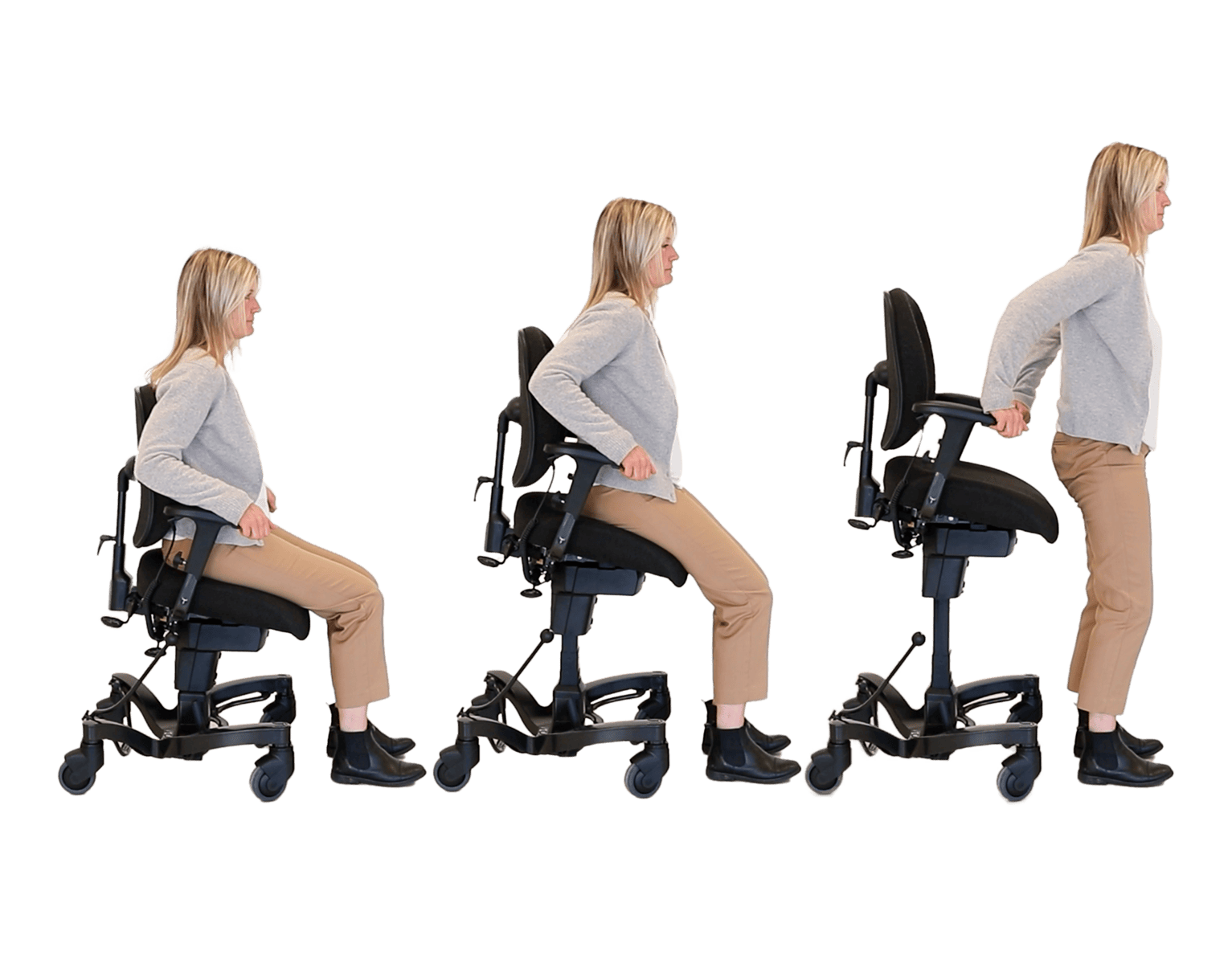
As these challenges loom, supporting older adults in maintaining independence is paramount, whether in nursing homes or their own residences. Solutions such as the VELA mobility chairs provide a medically approved approach to enhancing safety, freedom of movement, and daily living activities like cooking and dressing—all within the comfort of one’s home. These chairs not only support residents’ autonomy but also alleviate the physical burden on informal caregivers, making them an invaluable asset in modern eldercare scenarios. Recent ergonomic trends highlight customization and inclusive design based on user input, with products increasingly tailored to address specific physical and cognitive needs.[3]
In summary, the role of PCAs in nursing homes is crucial to the operational and emotional wellbeing of these settings. With accessible training pathways and growing career opportunities, the outlook for PCAs is promising, bolstered by emerging trends and technological advancements redefining quality care standards. However, it is the human touch, embodied by PCAs, and innovative tools like VELA chairs that together ensure nursing homes continue to significantly influence senior independence and quality of life.
Recognizing this symbiotic relationship between traditional caregiving and modern innovations marks a nuanced era in elder care.
- U.S. Home Care Industry Stats, including Medicare Expansion Proposal, NCH Stats 2025
- Paul Bergeron, Long Term Care 2025 Trends and Outlook, Provider Magazine, January 2025
- Health Dimensions Group, 2025 Top Trends in Aging Services
- Skilled Nursing Facility and Post-Acute Care 2025 Trends, Aria Care Partners
- Home Health Care Trends for 2025, CareVoyant Blog
- AANP Spotlights Five Critical Health Care Trends to Watch in 2025
- The Latest Trends in Home Care Services in the USA – 2025, Cottage Home Care