

Updated September 2025: We have updated the article with information on new assistive technology developments, ergonomic innovations, recent rehabilitation practices, regulatory changes, and current trends in the integration of digital mobility solutions in nursing homes and home care settings. Updates include references to smart wearable devices, robotics, adaptive seating, tech-assisted rehabilitation, and person-centered care regulations, supported by the latest clinical and regulatory sources.
Comprehensive Overview of Pleasant Ridge Healthcare Center
Pleasant Ridge Nursing Home, located in Cincinnati, Ohio, is a significant option for seniors in the area seeking comprehensive care. As part of the Communicare Health family and managed by Buckeye Op Co LLC, the facility offers a comforting environment for its 73 average daily residents, supported by its 99 certified beds, according to Medicare.gov Care Compare. Understanding the elements that impact resident experience, such as facility features and staffing metrics, is crucial for potential residents and their families.
Overview of Pleasant Ridge Healthcare Center
Situated at 5501 Verulam Ave in Cincinnati, this for-profit establishment reflects its dedication to providing quality care, rooted in a mission to serve the diverse needs of its residents. Descriptions from residents and their families often highlight the facility’s welcoming atmosphere and the compassionate care provided by the staff, emphasizing the center’s aim for holistic and empathetic service. According to ProPublica Nursing Home Records, Pleasant Ridge is affiliated with Communicare Health, which aligns with its commitment to quality and comprehensive elder care.
Analyzing Quality Ratings and Performance Metrics
The CMS Five-Star Quality Rating System is a critical tool for evaluating the quality of nursing homes. Pleasant Ridge has staffing levels at 3.18 nurse hours per resident per day, which fall below the state average of 3.6. Additionally, the nurse turnover rate is 63.2%, higher than the state average of 51.6% (CMS.gov). These staffing challenges can directly impact the quality of care residents receive. It is beneficial to use visual aids such as graphs or charts to clarify these statistics and help families make informed decisions. Understanding these metrics is crucial, especially since consistent, quality staffing significantly affects resident satisfaction and health outcomes.
Since mid-2025, federal guidelines recommend the integration of technology-assisted rehabilitation tools in skilled nursing facilities, which may impact quality metrics and reimbursement eligibility (CMS.gov; MayoClinic.org). Facilities are now encouraged to utilize digital mobility and monitoring solutions, including smart wearable devices that provide real-time fall detection and vital sign monitoring, empowering residents with increased safety and autonomy (MedlinePlus.gov; WHO.int).
Understanding Ownership Structure and Its Influence on Care
Ownership plays a significant role in the management and operational effectiveness of long-term care facilities. Pleasant Ridge operates under the ownership of Buckeye Op Co LLC and is managed in association with Communicare Health. While for-profit ownership can introduce innovative management strategies and resources, it may also prioritize financial returns over staffing levels and quality enhancements. Industry experts stress the importance of families carefully assessing any potential implications of ownership on care quality (ProPublica Nursing Home Records).
Recent changes in accreditation standards now emphasize person-centered care models tailored to each individual’s mobility and cognitive needs. Facility leadership is responsible for ensuring compliance with updated infection control protocols—such as enhanced environmental controls and the use of antimicrobial surfaces in assistive devices—aligned with current regulatory best practices (WHO.int; CMS.gov).
Exploring Facility Amenities and Services
Pleasant Ridge Healthcare Center provides an array of amenities designed to cater to both medical and personal needs. Medical services include skilled nursing, rehabilitation services, and comprehensive care plans tailored individually. The living accommodations are geared toward ensuring comfort and supporting a dignified lifestyle. Unique programs, such as specialized therapy sessions and creative recreational activities, contribute to enhanced resident well-being. Insights from case studies and resident stories reveal how these services deeply impact daily life (Senior Service Directory). A typical day might include physical therapy in the morning, followed by an afternoon of art classes, fostering not only physical health but also mental engagement and social interaction.
Significant advancements in assistive and rehabilitation technology now shape the care and amenities provided in nursing homes. Innovative options such as robotic exoskeletons and powered orthotics are being trialed to improve mobility and reduce resident dependence, showing promising early results in clinical studies (PubMed). Personalized multi-modal rehabilitation, combining conventional physical therapy with cognitive tasks and virtual reality, is increasingly recommended for improved outcomes (WHO.int; MayoClinic.org). Voice-activated smart home systems and adaptive seating solutions—using advanced gel and memory foam pressure relief materials—are enhancing safety and comfort for residents with mobility challenges. These technologies support daily living activities and may reduce fall risks and the incidence of pressure ulcers (MedlinePlus.gov).
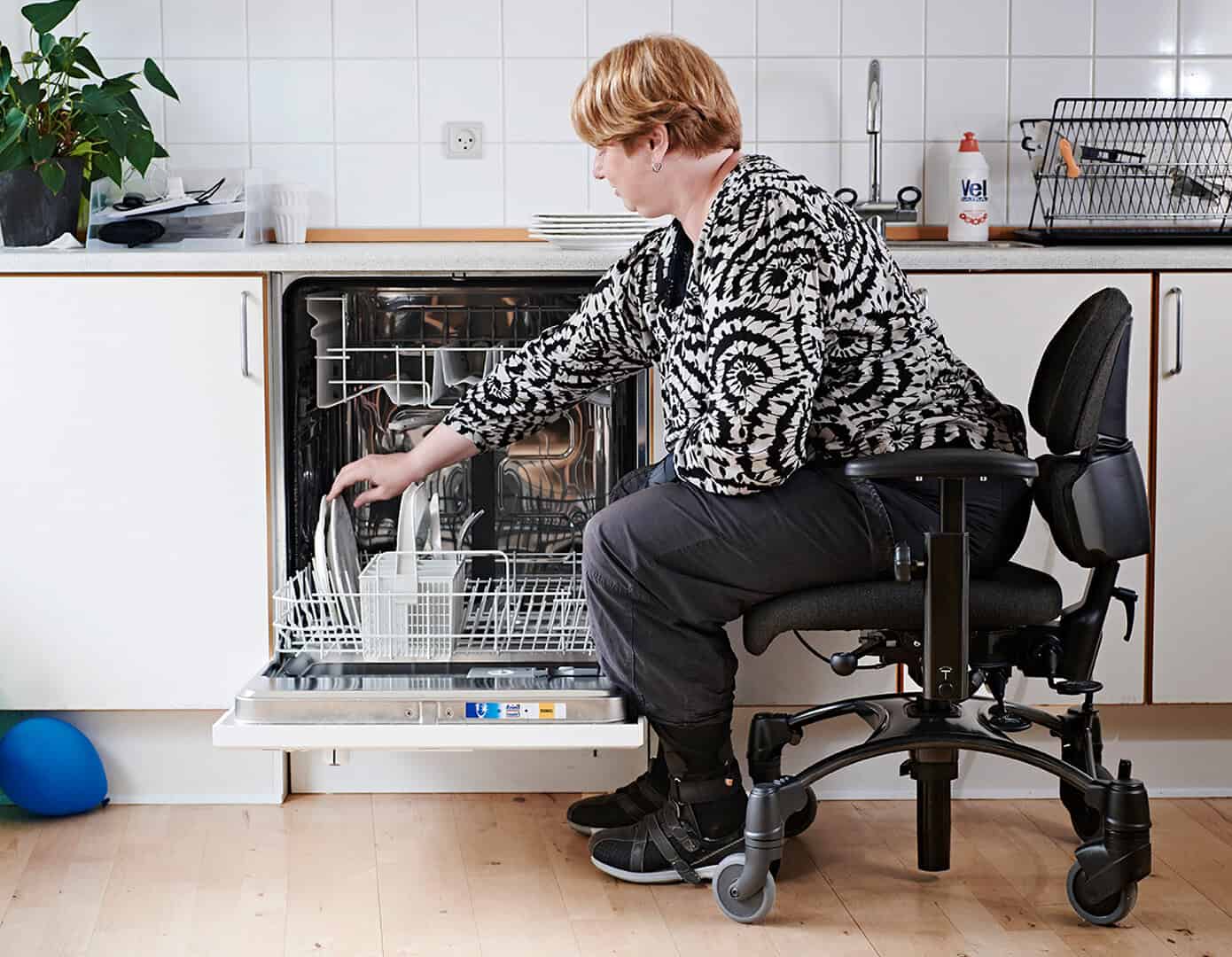
Given the various challenges nursing homes face, including staffing issues and turnover rates, it is essential to explore solutions that also allow older adults to maintain independence at home. One such option is the VELA Independence Chair—a medically approved mobility chair designed for home use. It offers enhanced safety, freedom of movement while seated, and supports daily activities like cooking, dressing, or transferring. This reduces the burden on informal caregivers by promoting greater autonomy and minimizing fall risks. Alongside, voice-activated and AI-enabled systems—now widely adopted in home and facility settings—enable residents to control their environment, communicate, and monitor health metrics with increased independence (Microsoft Research; Harvard.edu).
Supporting Aging in Place: A Practical Option
For individuals aiming to remain in their homes longer, mobility solutions like the VELA Chair can make a significant difference. With features such as a central brake for improved safety, electric height adjustability, and ease of movement while seated, the VELA Chair addresses the challenges of safety and independence. It helps prevent accidents and conserve energy during daily tasks, allowing users to engage in activities such as cooking or relaxing with greater ease. This promotes not only physical safety but also a sense of dignity and freedom, potentially delaying the need for nursing home care. Although VELA is not the sole solution available, its proven benefits make it a practical consideration for families seeking to reduce caregiver burden and support aging in place.
Current expert consensus emphasizes the value of expanding staff training on the use of digital and AI-enabled assistive technologies in both care facilities and home environments. User feedback indicates greater satisfaction when multifunctional devices that combine mobility, health monitoring, and communication assistance are deployed, which can contribute to higher resident engagement and reduce caregiver strain (National Institute on Aging (NIA); MedlinePlus.gov).