

Updated September 2025: We have updated the article to reflect the latest advances in senior care and assistive technology. Key additions include the integration of AI-powered mobility aids, smart wheelchairs, wearable health monitors, smart home systems, and telemedicine practices at nursing homes. We also highlight evolving trends in regulatory considerations and the emergence of user-friendly AI assistants that empower resident independence.
Our Lady of Prompt Succor Nursing Facility: An In-depth Look at Quality Care and Senior Living
History and Mission of Our Lady of Prompt Succor
When evaluating nursing homes, “Our Lady of Prompt Succor Nursing Facility” in Opelousas, Louisiana, often stands out for its caring and supportive environment. Founded with a commitment to exceptional care and life enrichment for its residents, the facility is located at 954 East Prudhomme Lane in Opelousas. The mission emphasizes dignity and respect, ensuring that care is personalized for each resident. As noted by a resident, “You’re treated with kindness and respect every day,” a statement that aligns with the facility’s dedication to its mission.
Comprehensive Care Services and Living Options
At Our Lady of Prompt Succor, residents benefit from an array of services tailored to diverse needs, including skilled nursing, short-term rehabilitation, and independent living options. The facility offers various accommodations such as private rooms, semi-private rooms, and apartments—some featuring kitchens for those valuing independence. According to Senior Housing Net, trained professionals provide round-the-clock care, fostering a sense of security and well-being. A typical day may involve engaging with healthcare professionals, participating in rehabilitation, and dining with fellow residents in communal areas, promoting both physical and mental health.
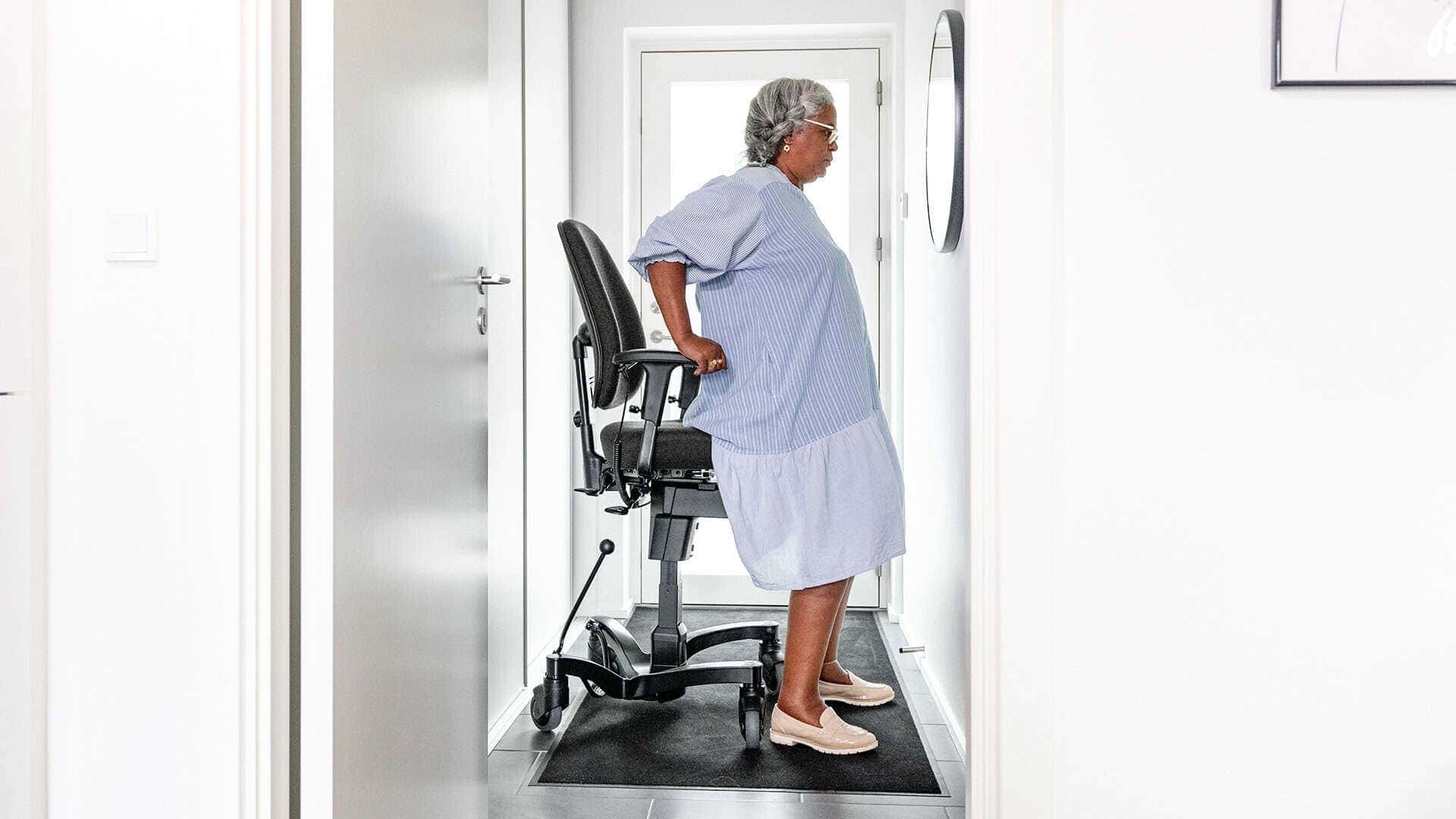
Many seniors face challenges in maintaining independence while residing in nursing homes, as the environment often requires adjustments in daily routines and personal autonomy. Innovations in assistive technology now play a significant role in overcoming these challenges. Recent advancements include AI-powered robotic mobility systems, like lightweight exoskeletons, that improve walking stability and reduce fall risks. Next-generation smart wheelchairs now offer GPS navigation, collision avoidance, health monitoring, voice control, and app connectivity, making mobility safer and more customizable for residents.[1][5] Comprehensive wearable health monitors can track vital signs, cognitive function, and sleep quality, providing early alerts for timely interventions.[1][3][4] In addition, integrated smart home environments within nursing homes automatically adjust lighting, temperature, and security, with features like fall detection and medication reminders to support daily living and reduce hospitalizations.[1][2][4][6] Traditional solutions such as the VELA chair continue to provide enhanced safety through features like a central brake system and electric height adjustability, supporting activities such as cooking, dressing, or transitioning between tasks, while reducing the load on informal caregivers. For those interested in exploring these alternatives, resources such as Enhancing Independence with Mobility Chairs and Fall Prevention Strategies for Seniors offer valuable insights.[1][5]
Enhancing Quality of Life with Diverse Amenities
Committed to improving residents’ quality of life, Our Lady of Prompt Succor provides a variety of amenities. The welcoming environment encourages social interaction in its common areas. Activities and programs meet both spiritual and wellness needs, with options such as spiritual services and wellness classes like yoga. Special amenities, including a hot tub spa and salon services, offer a touch of luxury. As described by a resident, weekly art classes leave participants feeling “alive and creative again,” demonstrating the positive impact these amenities have on residents’ lives.
Alongside these amenities, modern senior living environments now incorporate technology to further enrich residents’ daily experiences. Wearable health devices and smart home integrations personalize care, keeping residents safe, connected, and independent. Telemedicine and remote patient monitoring allow for convenient virtual consultations, continuous health data tracking, and timely fall alerts, streamlining clinical care and reassuring families.[3][4] Integrated AI assistants, designed for intuitive and conversational support, are increasingly available to aid residents with sensory or cognitive impairments, further enhancing access to information and independence.[7]
Understanding Healthcare Quality and Ratings
Quality metrics, crucial for potential residents, are a priority in assessing nursing facilities. According to Medicare.gov, the facility’s ratings hinge on health inspections, staffing adequacy, and performance in quality measures. These evaluations illuminate care standards and operations. Staffing levels, integral to these ratings, influence the personalized care and attention residents receive. Industry professionals highlight these factors: “Adequate staffing can significantly affect care quality and resident satisfaction,” emphasizing the necessity of these metrics in decision-making.
As nursing homes invest in advanced technologies such as AI-powered monitoring and assistive devices, there are evolving regulatory considerations. The current landscape calls for frameworks that address AI ethics, security, and algorithmic fairness to ensure safe, equitable, and effective technology adoption in skilled nursing settings.[8]
Exploring Alternatives to Nursing Homes
As aging in place becomes a more desired option, tools like VELA Chairs have emerged as practical solutions to help seniors maintain independence at home. With features addressing common concerns such as safety and mobility, VELA Chairs offer advantages like a central braking system for stability and electric height adjustability for ease of movement. These features can significantly aid in daily tasks, make household activities more accessible, and ultimately delay the possible transition to a nursing home. In addition to these tried-and-true options, seniors now benefit from AI-powered mobility aids, user-friendly smart wheelchairs, and integrated smart home environments supporting autonomy and well-being.[1][2][5][6] Wearable health monitors and telehealth platforms further enhance the ability to manage health proactively and maintain close contact with caregivers and healthcare professionals.[3][4] Life at home with these technologies can mean enjoying daily routines with confidence and dignity, reducing the load for caregivers, and preserving the freedom to continue cherished activities like cooking or hobbies. While not the only option, VELA presents a proven and practical pathway to support independent living, highlighting a focus on autonomy and well-being in everyday life.
References
- International Council on Wheelchair Professionals — Top 5 Cutting-Edge Equipment for Seniors in 2025
- Synchrony Financial — The Future of Home Health Care: Trends to Watch in 2025
- ButterflyMX — Senior Living Technology Trends 2025
- Harvard Business Review Health Care — The Future of Senior Living: Trends to Watch in 2025
- Everything Medical Online — The Latest Trends in Mobility Aid Technology for 2025
- UnitedHealthcare Community & State — Enabling Technology Transforming Home-Based Care
- Let’s Envision — The Future of Assistive Technology & AI Assistants for 2025
- Skilled Nursing News — Top Skilled Nursing Trends for 2025